
Our first journey was decided one afternoon while camping in the new to us “Baby Bones”.
We came up with the idea of travelling to the Baha in Mexico.
Didn’t take long to realize it was not the best plan so early in the RV lifestyle.
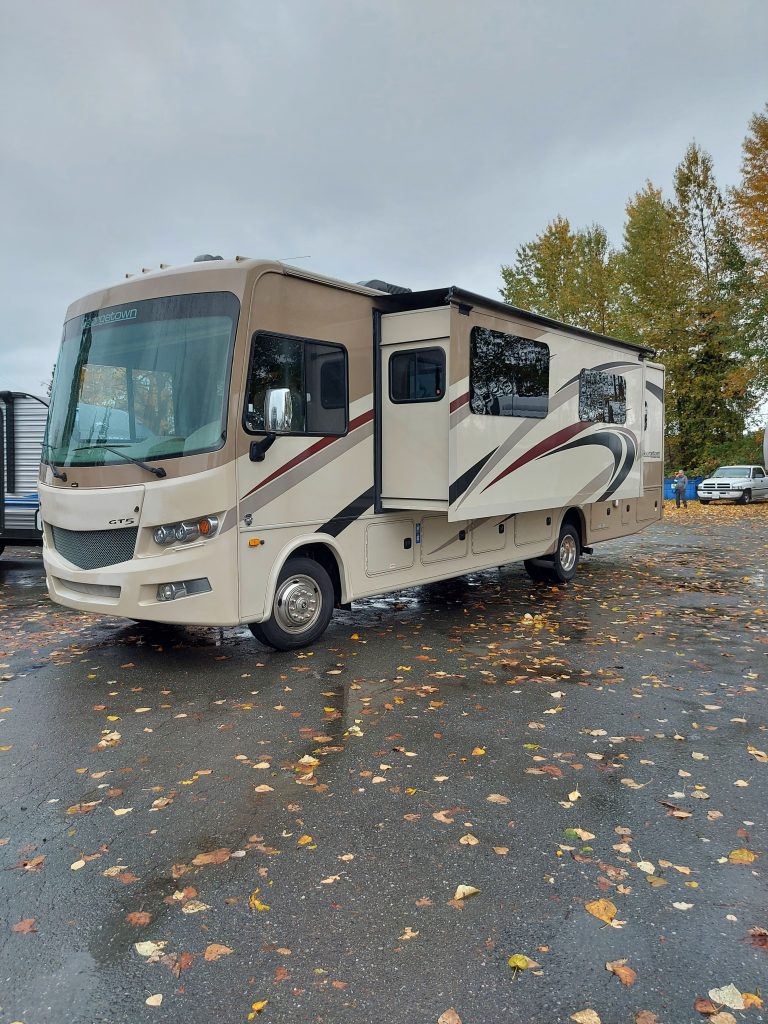
Decisions Decisions,,,
So where else could one travel and make some memories?
How about across Canada? 🤔
Yes!!! Let’s do that, we could bring the grandkids and their mom and dad along for the ride.
Turns out only mom and grandkids could make it and we would have to get back before school starts.
Yippee!!!! ROAD TRIP.
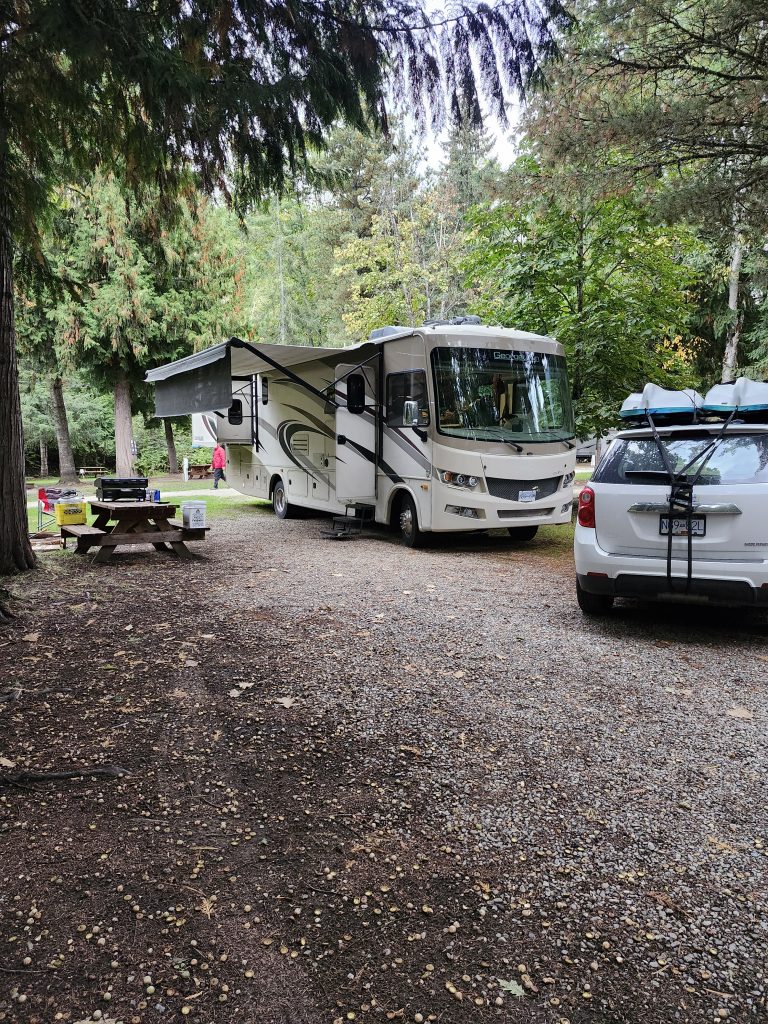
Ready set go!!!
Tire pressure checked, oil levels checked, coolant topped up, propane = full, gasoline = full tank.
luggage loaded, Check.
The fridge is full,
Beer is cold
lets roll
Ferry Ride
Waiting our turn
As we eagerly awaited our turn at the Departure Bay ferry terminal, bound for Horseshoe Bay on the mainland, excitement filled the air as we anticipated the adventures that lay ahead.
Getting on the ferry
So that was a challenge. never having taken Georgie on the ferry and not being familiar with the height and width of her.
Our first stop
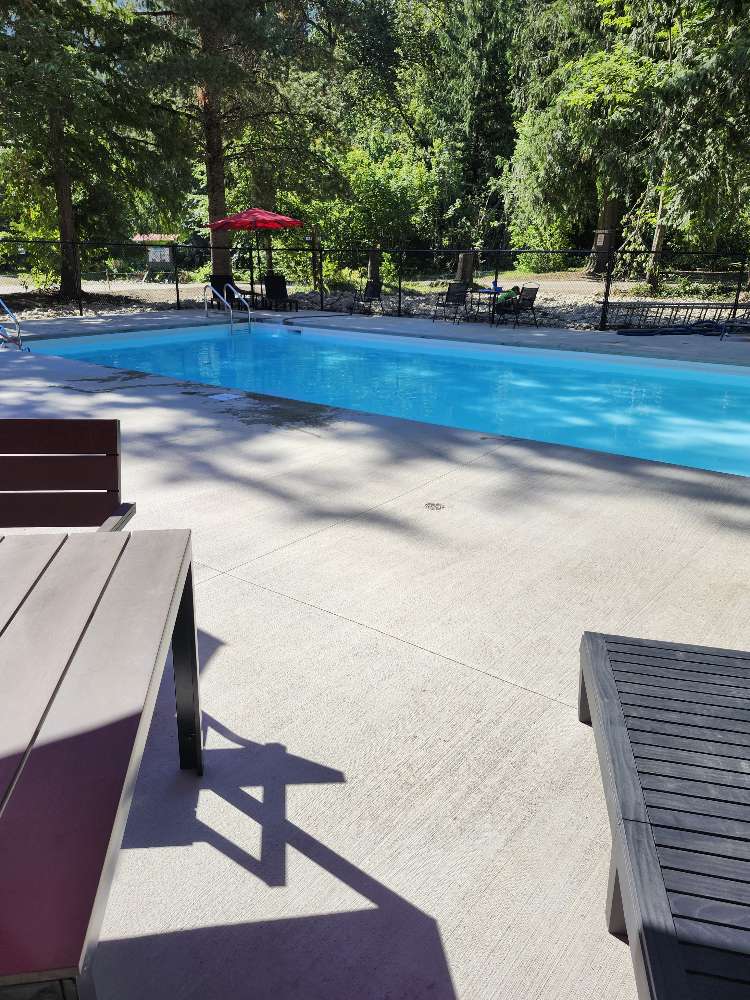
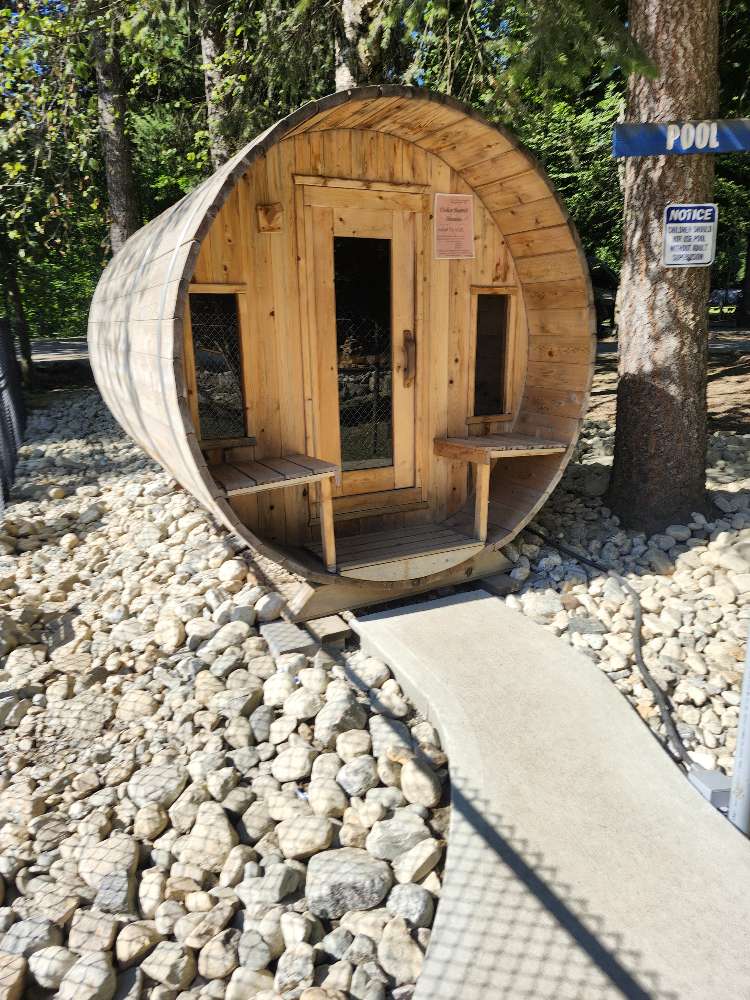
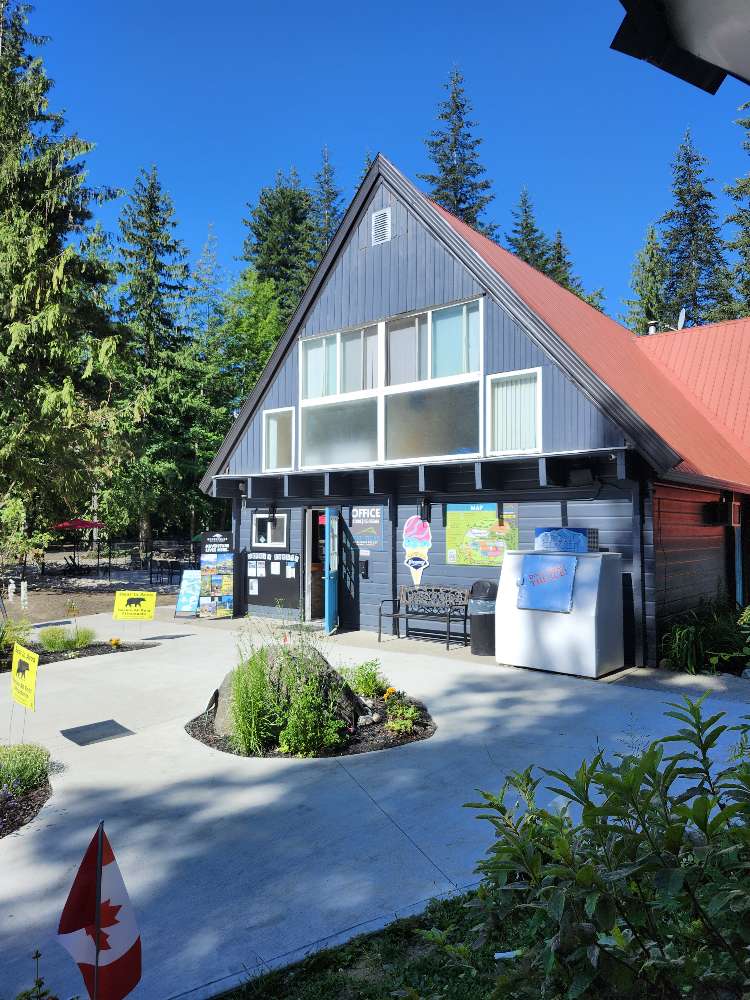
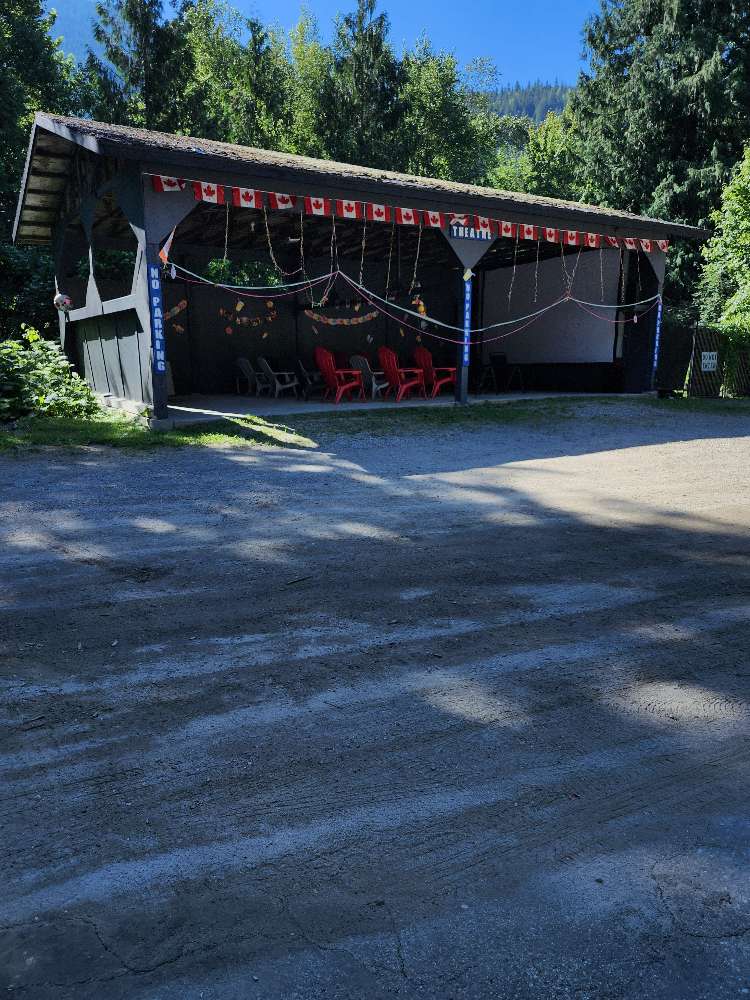
Once we arrived at the Horseshoe Bay terminal, we headed straight to our first stop, Camperland in Chilliwack, British Columbia, about a 2-hour drive. We’ve never stayed here, and it has a pool, so with temperatures in the high twenties, it was a big bonus, especially for the grandkids.
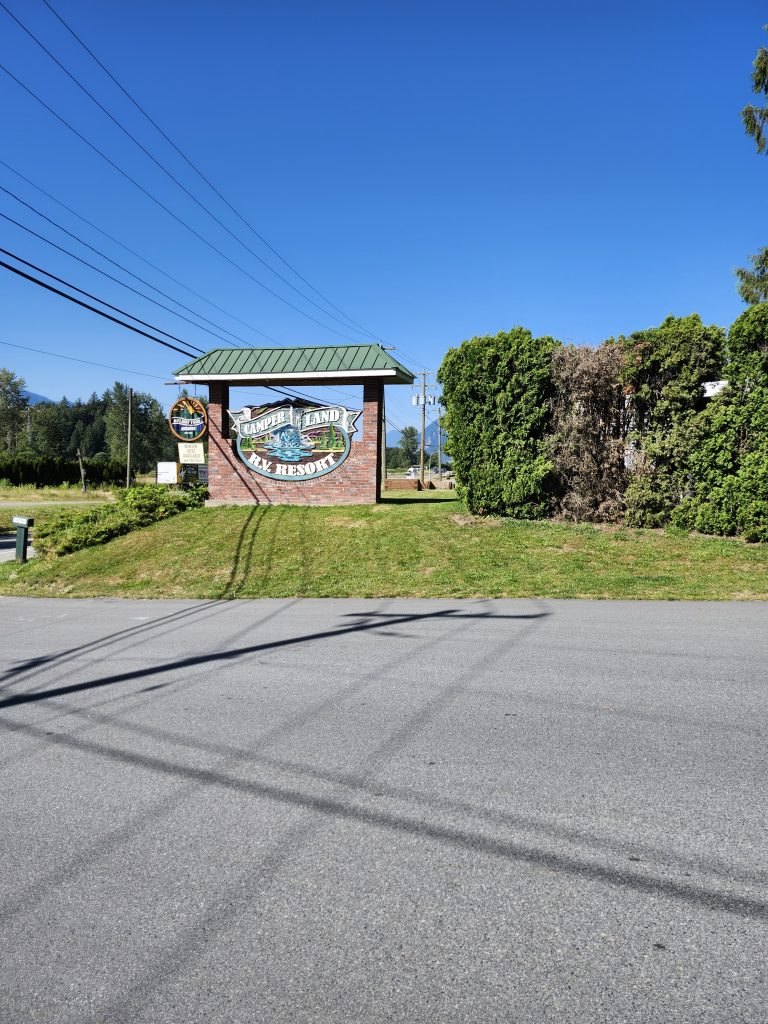
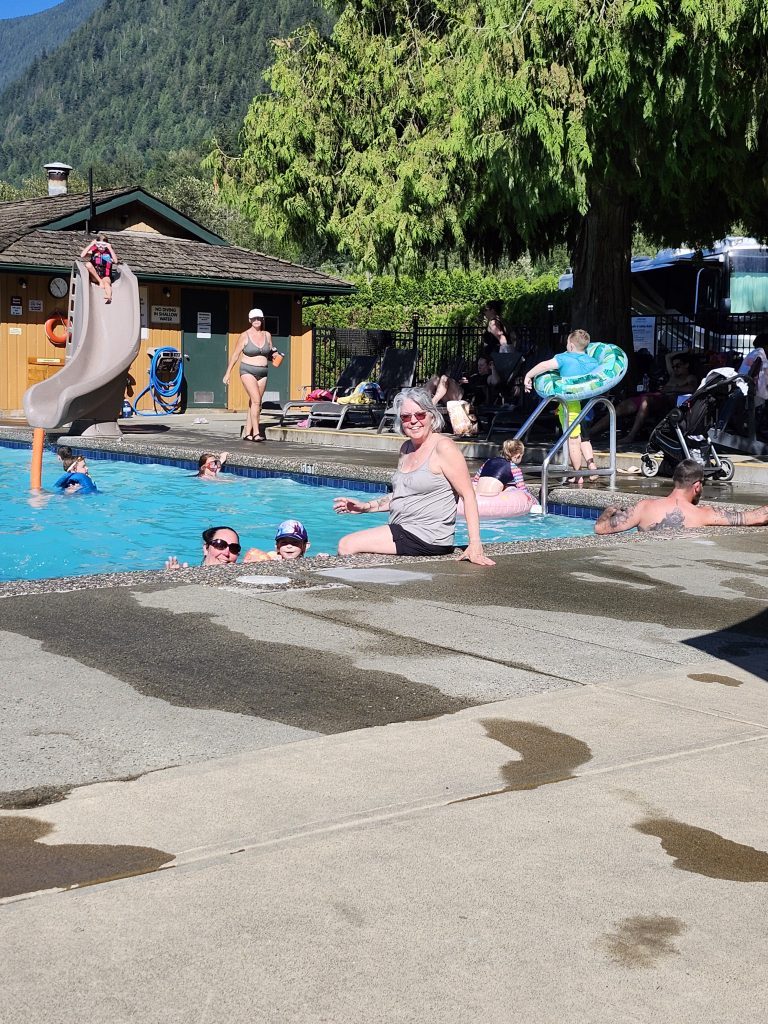
The Campground has all the amenities, clean washrooms and a laundry room with newer machines and plenty of them.
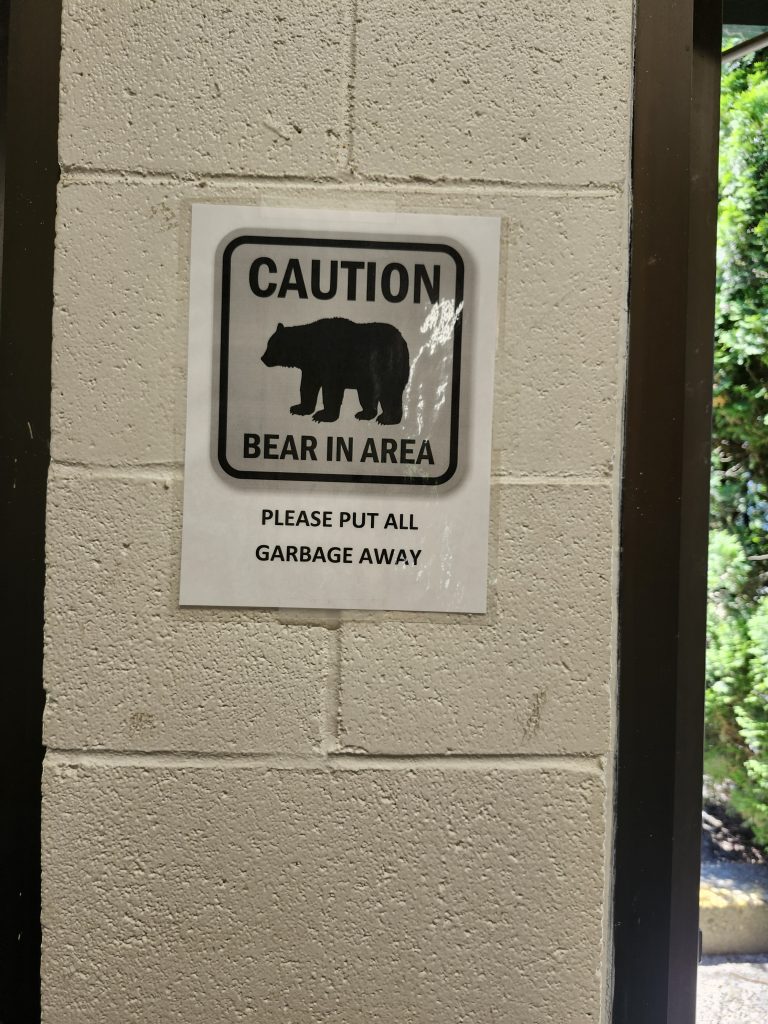
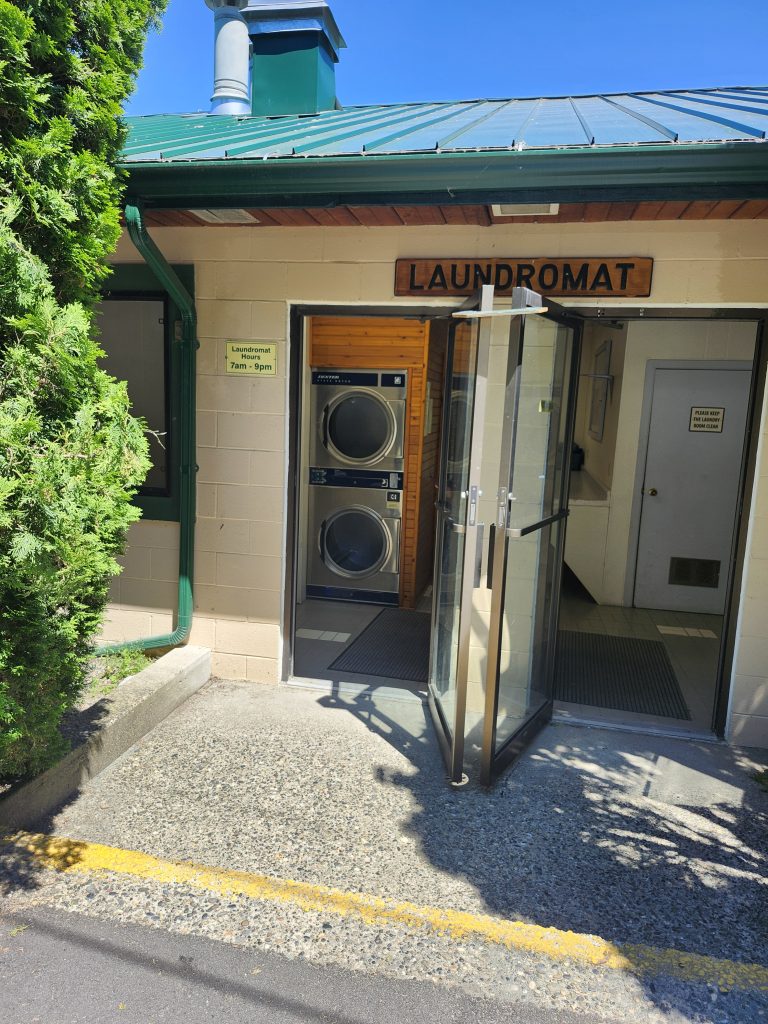
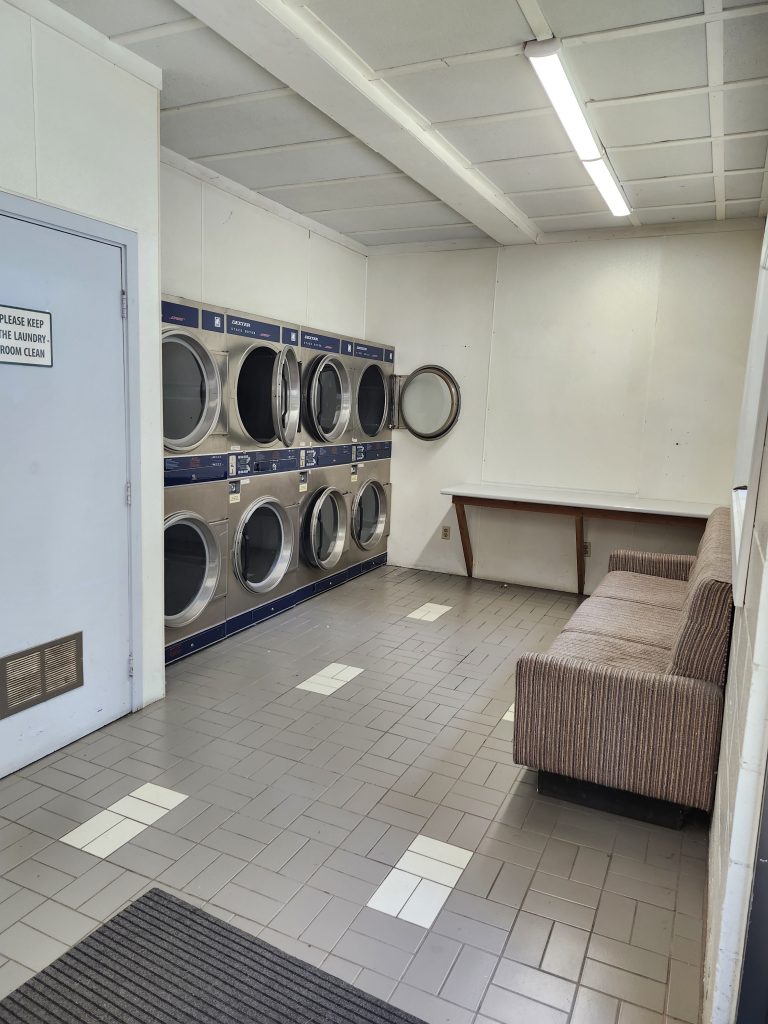
There is also a restaurant that has specific operating hours, so be early as when they are open, items sell out quickly as it is very small.
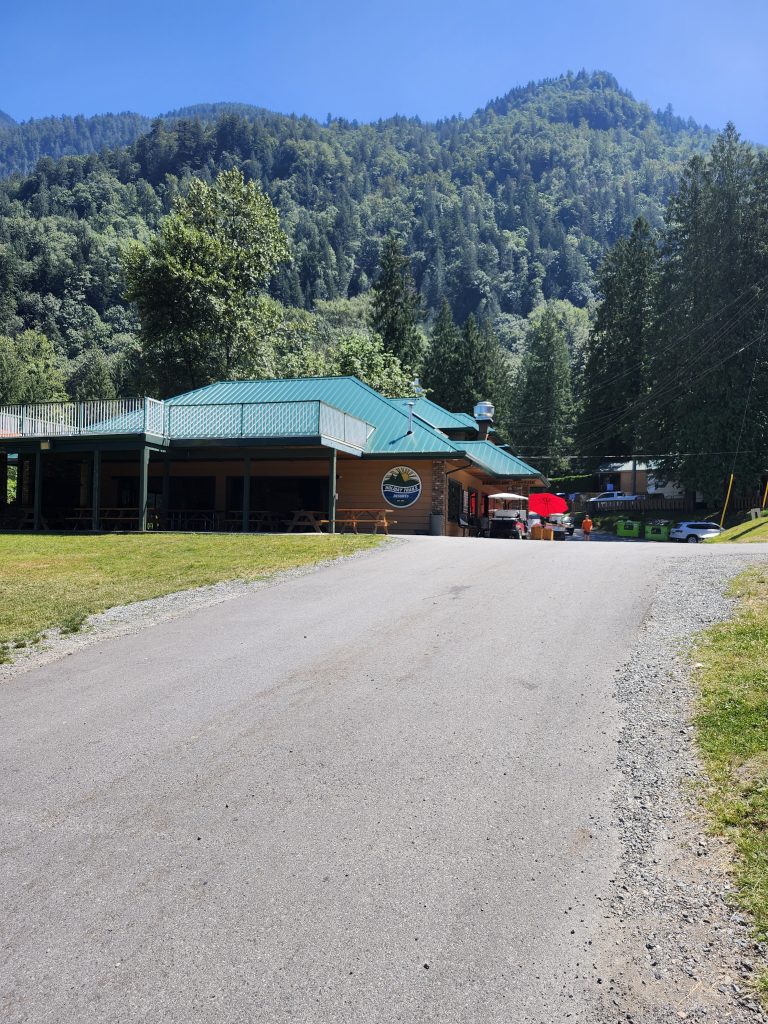
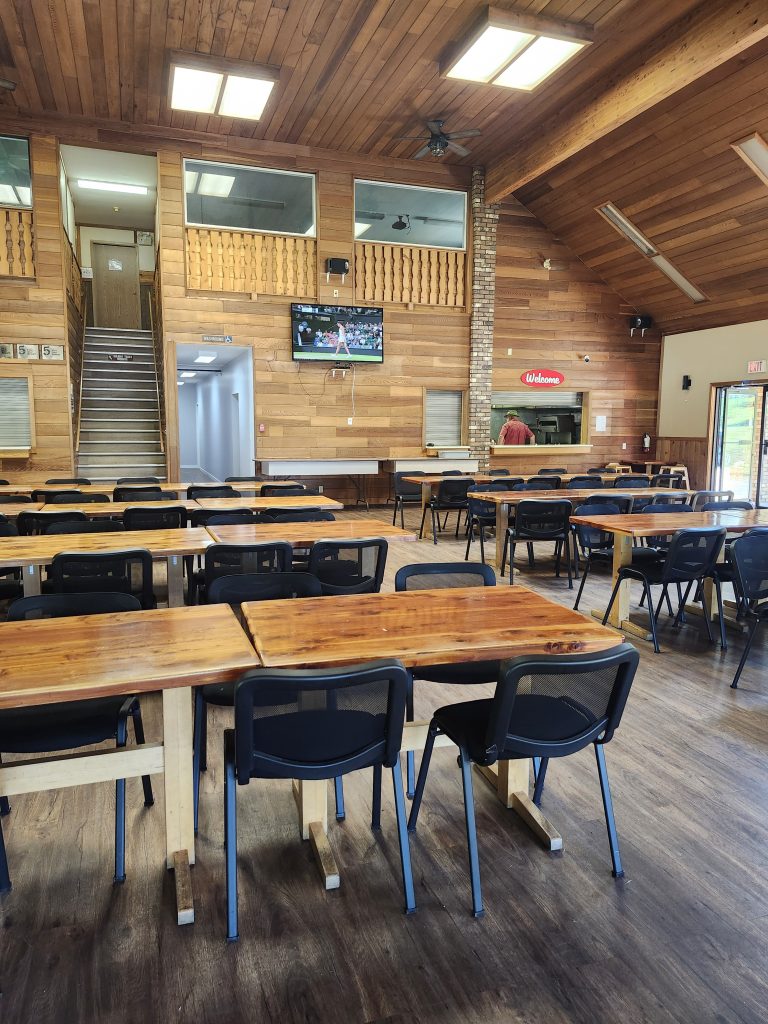
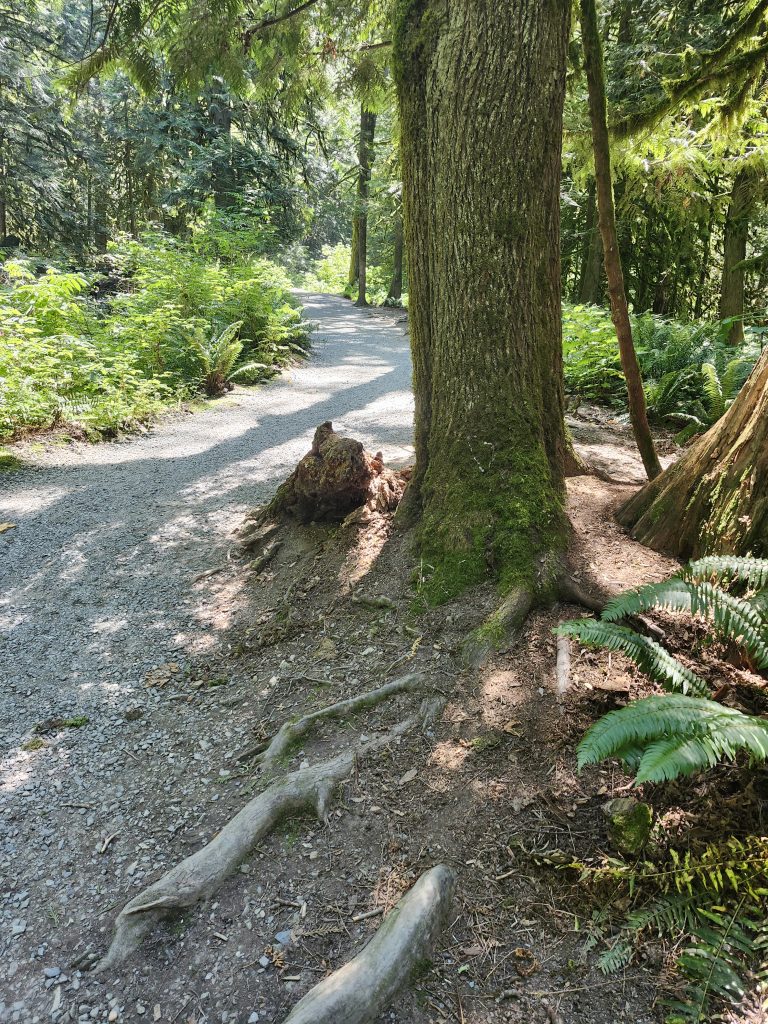
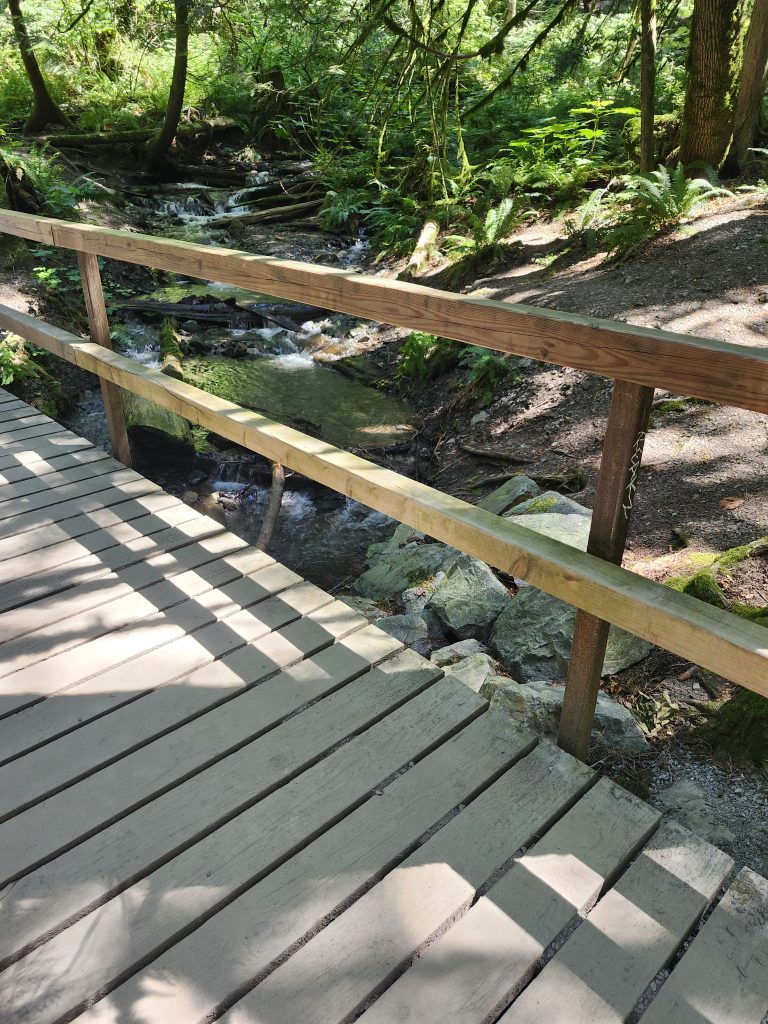
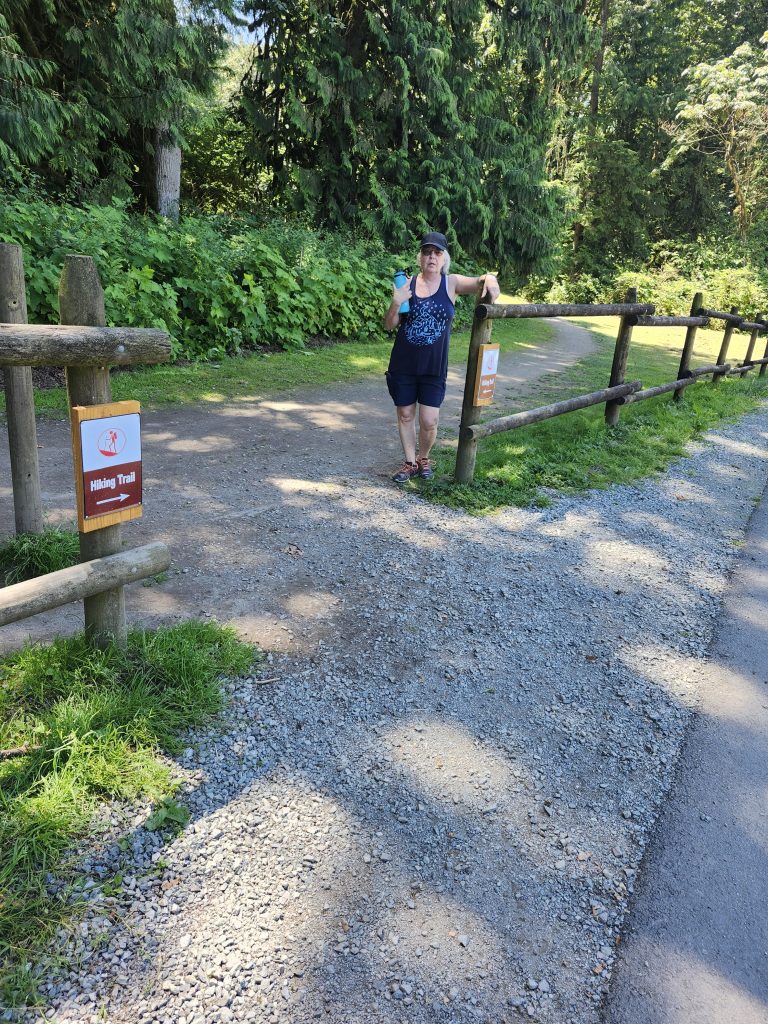
There is also a water park and trails to Bridal Falls.
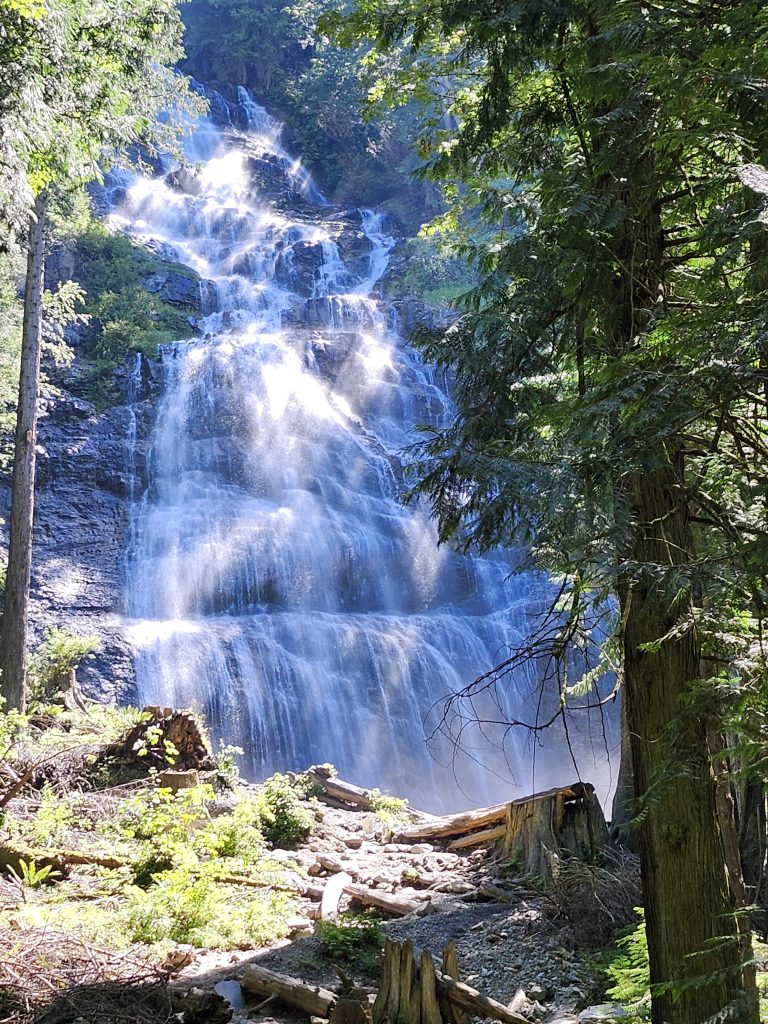
On the road again.
So after a few days at the campground it was back on the road.
Kids just loved the ride.
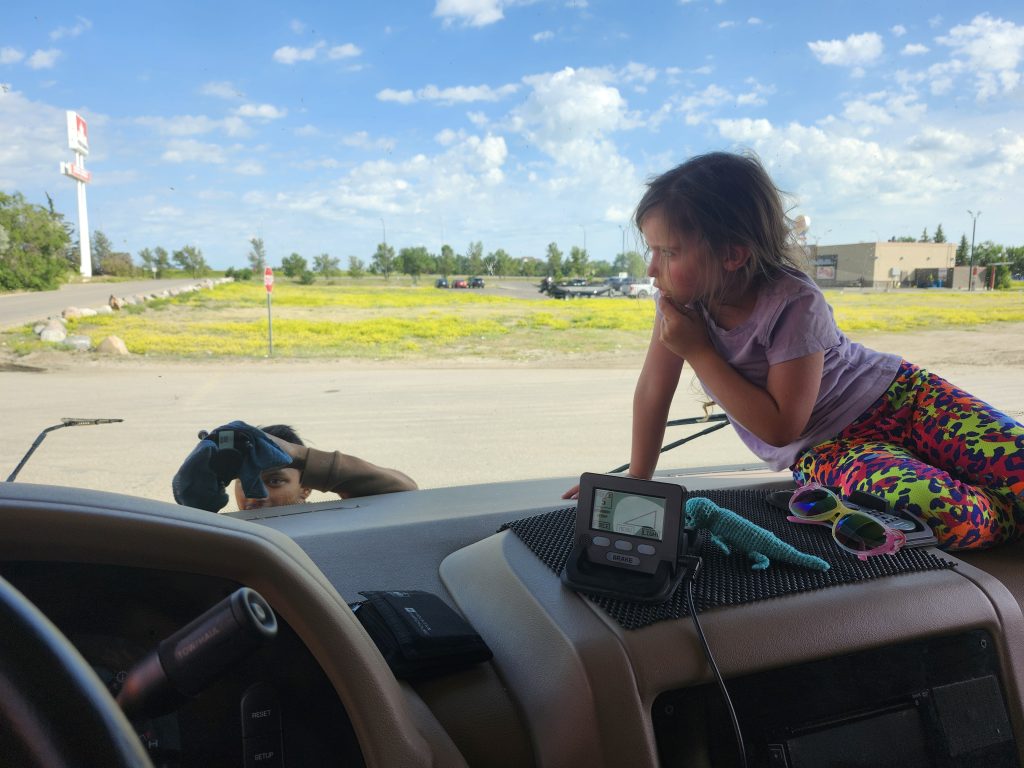
Here we have a curious child. windshield chip fixed. Not too hard on the pocketbook and looks as good as new.
Tips for the Road
- Motorhome Tips: A large RV means you need to be aware of its dimensions at all times. Drive in the right lane, use your spotter when reversing, and know that drive-throughs and some parking lots are off-limits. Look for pull-through campsites for easier parking.
- Family Fun: National and Provincial Parks offer a wealth of family activities, including family-friendly hikes, playgrounds, and swimming pools for kids aged 5-10.
- Stay Flexible: Don’t overschedule. The best memories often come from spontaneous stops, like finding a park with a giant pirate ship or a cabin on a lake.
Interior Beauty: We drove through the scenic Okanagan Valley, enjoying orchards and beautiful views, then onto the Rockies.
The Rockies
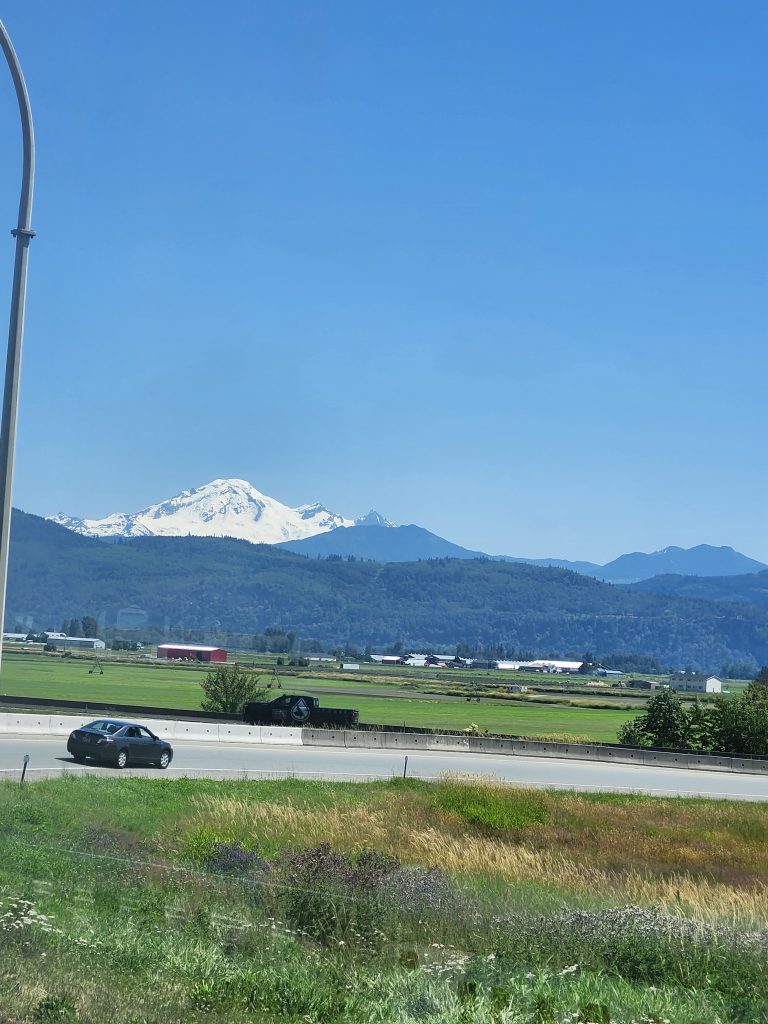
Enjoy the View!
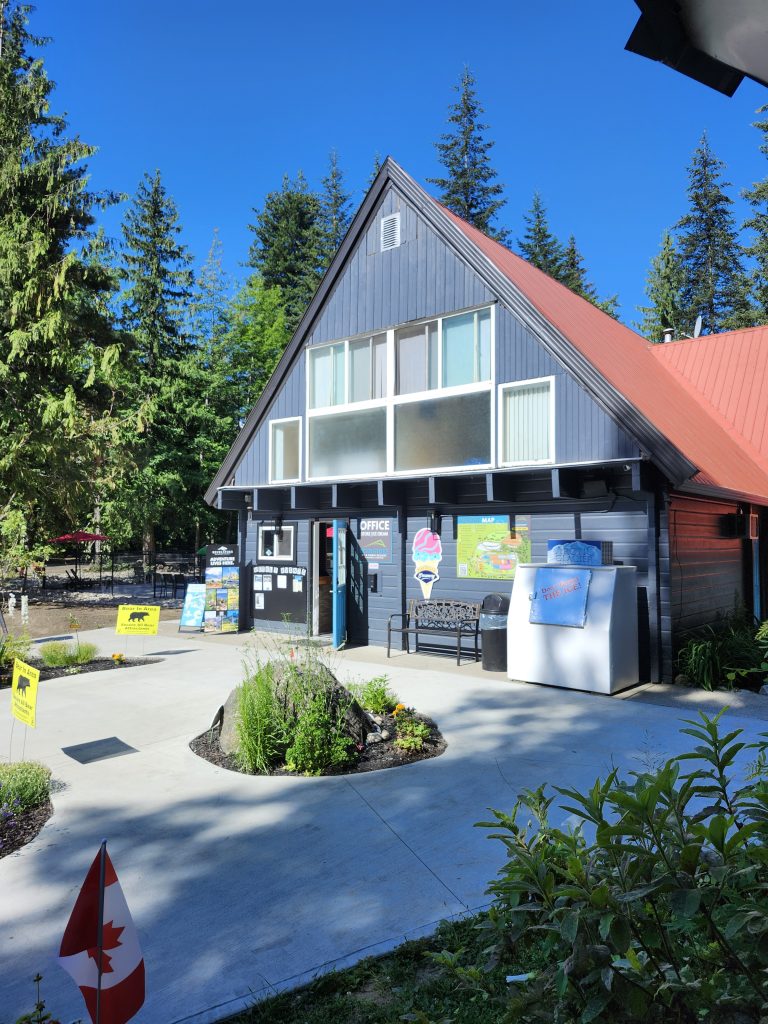
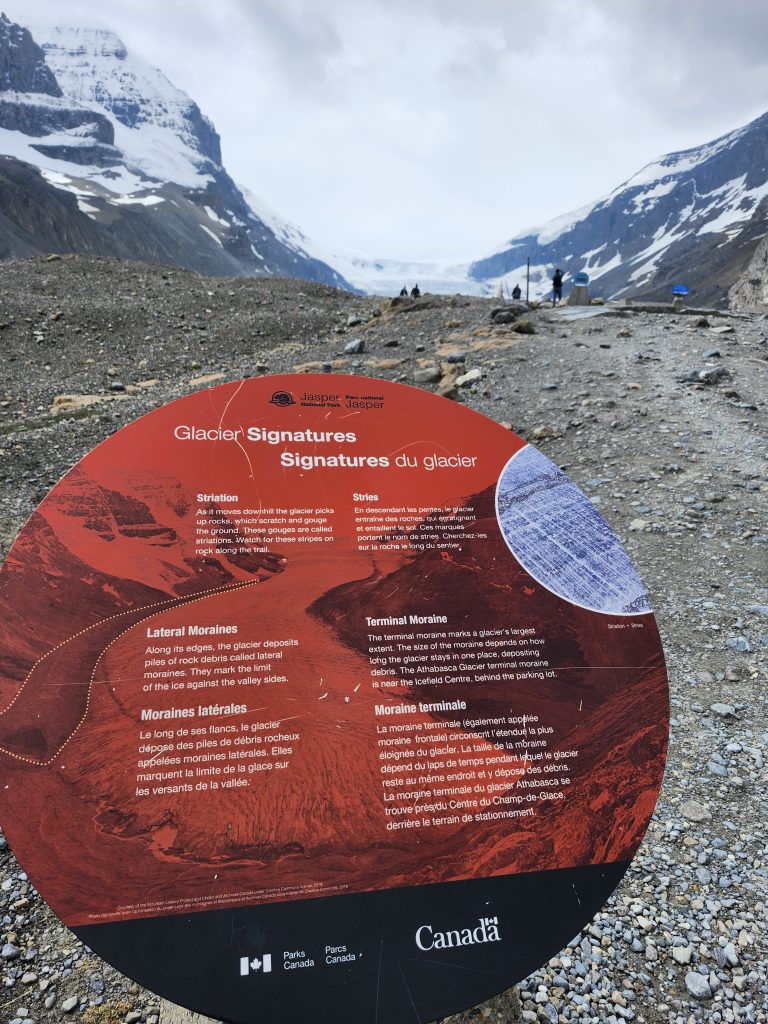
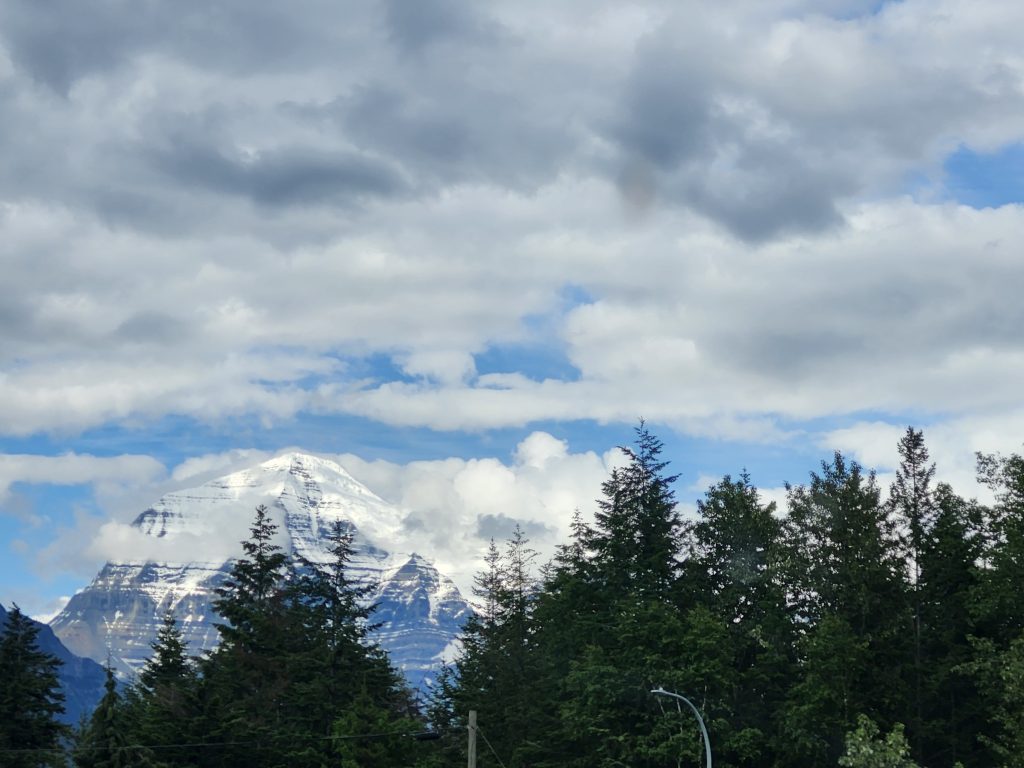
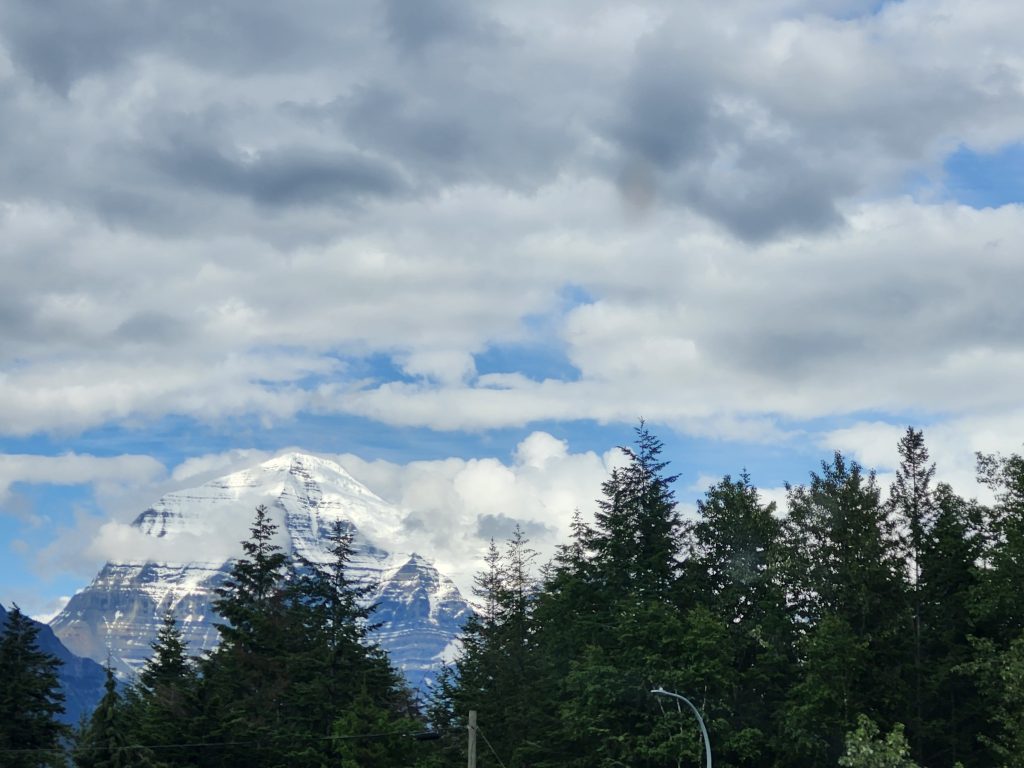
The beauty of crossing the Rockies in a motorhome is the flexibility to stop and savor the scenery. Plan extra time for spontaneous stops at viewpoints, hiking trails, and charming mountain towns.
With careful planning and mindful driving, your motorhome journey across the spine of North America will be an incredible adventure. Safe travels!
Crossing the Rocky Mountains is a quintessential North American road trip experience, offering breathtaking scenery and unforgettable memories. While the thought of piloting a large motorhome through mountain passes might seem daunting, proper preparation and knowledge can make the journey smooth and spectacular.
Here is a guide to help you confidently navigate the majestic Rockies in your home on wheels.
Plan Your Route (And Mind the Grade)
The Rockies span a vast area with numerous potential crossings. Your route will depend on your starting point, destination, and the size of your rig.
- Highways vs. Scenic Routes: Major highways are generally well-maintained and engineered for commercial traffic, including RVs. They often involve fewer sharp turns and more gradual grades than smaller, scenic byways.
- Check Road Conditions: Always check current road and weather conditions immediately before departure. Mountain weather changes rapidly. In Canada, check DriveBC (British Columbia) or 511 Alberta.
- Know Your Height and Weight: Be aware of your motorhome’s exact dimensions. While major routes rarely have clearance issues, some older tunnels or smaller park roads might have restrictions.
Master Mountain Driving Techniques
Driving a motorhome in the mountains is different from driving on flat terrain.
- Climbing (Going Up): Don’t be afraid to slow down and use lower gears. Pushing your engine too hard can cause overheating. Watch your temperature gauge and use rest areas or pullouts if needed to let the engine cool down.
- Descending (Going Down): This is where technique matters most. Never ride your brakes. Shift into a lower gear before starting a descent, using the engine’s compression (engine braking) to maintain a safe speed. Only use your service brakes for short, firm applications to slow down further when necessary, allowing them time to cool between applications.
- Use Pullouts: If a line of faster traffic builds up behind you on a steep grade, use the designated pullouts to let them pass safely. It’s the courteous—and often legally required—thing to do.
Enjoy the View!
The beauty of crossing the Rockies in a motorhome is the flexibility to stop and savor the scenery. Plan extra time for spontaneous stops at viewpoints, hiking trails, and charming mountain towns.
With careful planning and mindful driving, your motorhome journey across the spine of North America will be an incredible adventure.
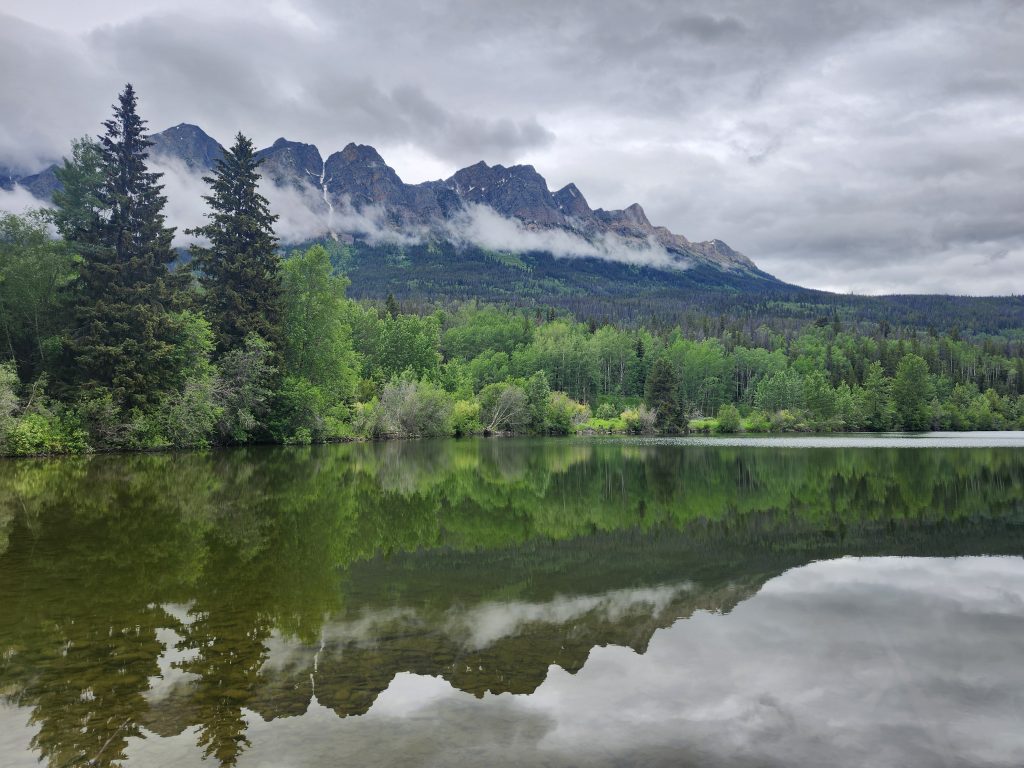
A stop in Calgary Alberta
Our next stop was a short visit to Calgary, Alberta.
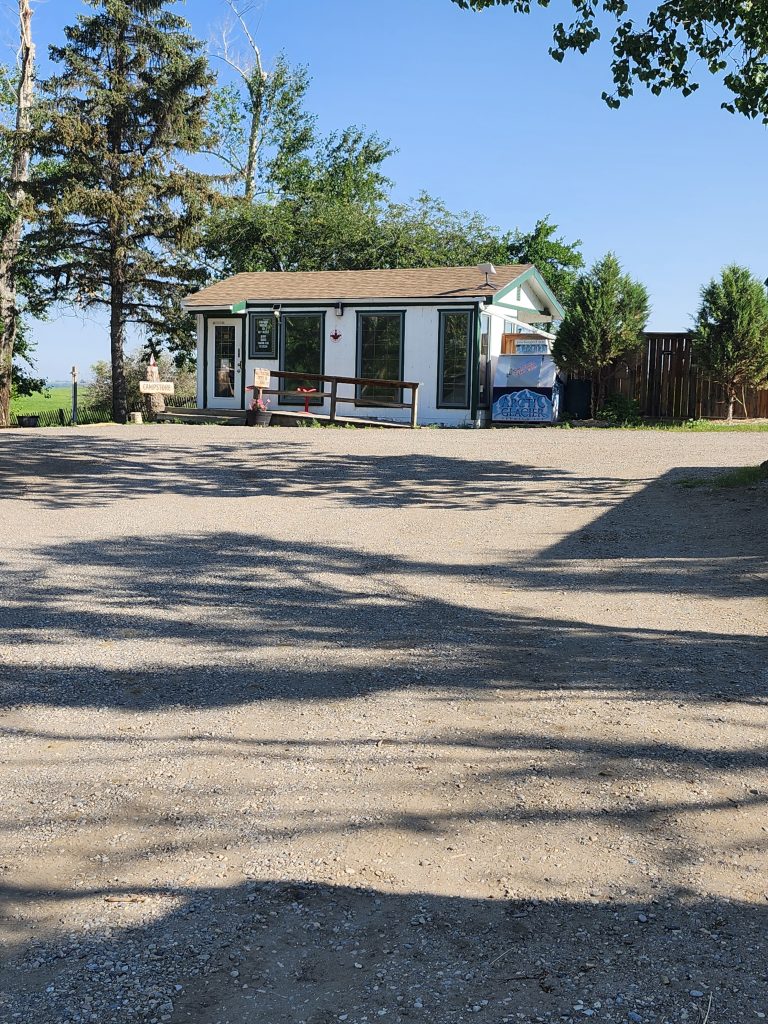
As timing would have it, it was Stampede Week, and all the campgrounds were full, except for a small place located out of town.
While visiting family, we had the opportunity to dine out at the original “Original Joe’s.” restaurant.
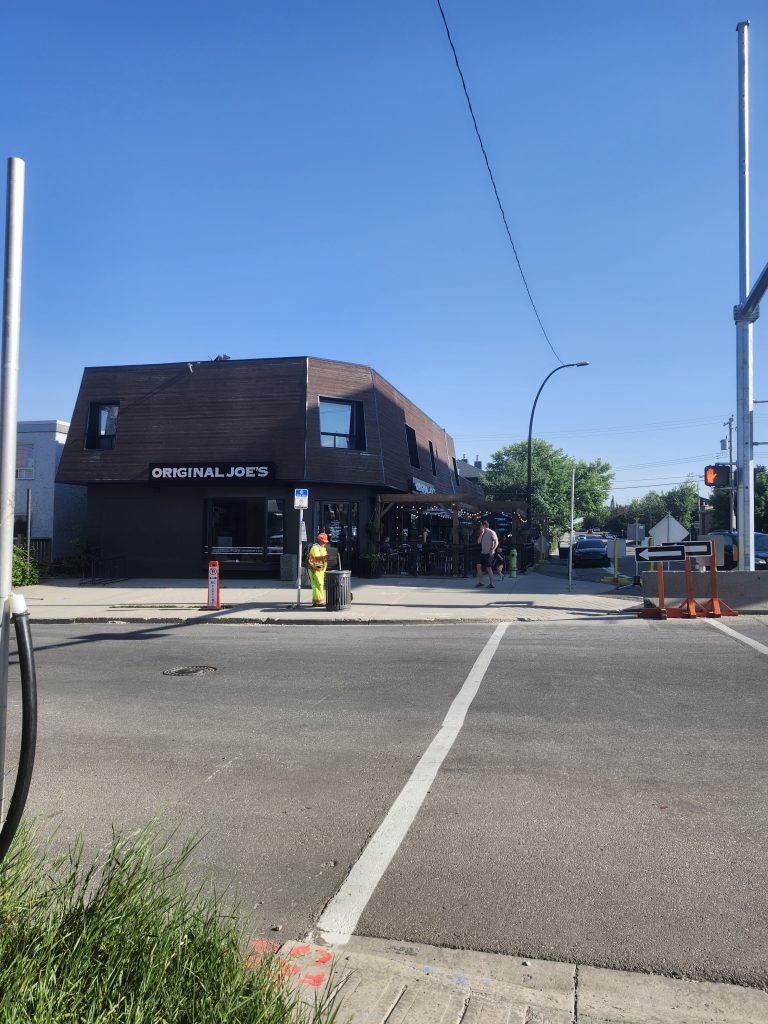
The service was terrible and the food was cold. wouldn’t recommend this place.
Up next the Prairies
Wide Open Spaces: A Grandparent’s Guide to Motorhoming the Prairies with the Grandkids
The North American prairies—spanning the heartland of both Canada and the U.S.—offer a unique kind of beauty: vast skies, endless horizons, and a surprising number of kid-friendly stops. Traveling through this immense landscape in a motorhome with your grandkids can be a fantastic multi-generational adventure.
Here’s how to keep everyone happy, engaged, and safe while rolling through the heartland.
1. Embrace the Journey (and Manage Expectations)
The prairies are known for long, straight stretches of highway. What adults might find meditative, kids often find boring.
- Pacing is Everything: Aim for shorter driving days than you might typically schedule—perhaps 3-4 hours max. This keeps the kids from getting restless in their seats and allows more time for exploration upon arrival.
- The “Are We There Yet?” Strategy: Turn travel time into “activity time.” Utilize a travel bingo game, audiobooks (check out family-friendly selections from Audible or local library apps), or a portable DVD player for quiet time.
2. Plan Strategic Stops and Silly Attractions
The secret to a successful prairie trip is breaking up the drive with stops that appeal to young travelers. Look beyond the major cities.
- Giant roadside attractions: The prairies are famous for their “Big Things.” Search online for giants like the World’s Largest Dinosaur in Drumheller (Alberta), the Gopher Hole Museum in Torrington (Alberta), or the World’s Largest Coffee Pot in Davidson (Saskatchewan). These quirky stops offer great photo ops and a chance to stretch their legs.
- Unique Museums: Many small prairie towns have local history museums, often featuring vintage farm equipment, pioneer stories, or interactive exhibits that appeal to curious kids.
- Nature Breaks: Utilize rest stops and provincial/state parks not just for bathroom breaks, but for a 15-minute run around a field or a quick picnic lunch at a scenic viewpoint.
3. Rig Life: Keeping the Kids Comfortable
The motorhome is your mobile base camp. Make it a fun, functional space for the grandkids.
- Snack Station: A well-stocked, easily accessible snack bin is crucial for preventing “hanger” and minimizing stops. Pre-portion snacks into reusable containers.
- Designate “Kid Zones”: Assign the grandkids their own small space in the rig (a bunk, a corner of the dinette) where they are responsible for their belongings, books, and toys.
- Safety First: Review motorhome safety rules: seatbelts must be worn while moving, and doors/windows must stay shut. Establish clear rules about moving around the RV while you are driving.
4. Navigating Prairie Weather
Prairie weather is unpredictable and can shift quickly from glorious sunshine to sudden thunderstorms or strong winds, the latter of which requires careful handling in a high-profile motorhome.
- Monitor Forecasts: Keep an eye on local weather apps.
- Be Mindful of Wind: Strong crosswinds are common. Drive defensively, slow down, and be prepared for gusts when passing semi-trucks or when emerging from the shelter of a treeline.
Travelling the prairies with grandkids in a motorhome creates a unique environment for sharing stories, stargazing under the massive night skies, and appreciating the quiet beauty of the heartland. Enjoy your journey across the plains!
Ontario.
This province proved to be the largest area to traverse.
Though we were on a road trip it took what seemed like forever to get through.
Ontario is Canada’s second-largest province, a vast land that transitions dramatically from dense boreal forest and rugged Canadian Shield in the north to the vibrant, urbanized “Golden Horseshoe” and agricultural heartland in the south. Traversing this massive province in a motorhome is less a single journey and more a series of distinct road trips rolled into one, offering varied landscapes and experiences.
Here is your guide to planning an unforgettable motorhome journey through Ontario.
1. Understanding the Vastness
The sheer scale of Ontario often surprises first-time visitors. Driving from the Manitoba border in the west to the Quebec border in the east takes significant time.
- Plan Your Time Wisely: Don’t underestimate driving times. A trip that looks short on a map might involve hours of driving through remote areas.
- Northern vs. Southern Routes: Your experience will differ dramatically depending on which route you choose. Southern Ontario (along the Great Lakes and the US border) is highly populated and developed. Northern Ontario is wilder, featuring spectacular wilderness areas like Lake Superior Provincial Park and dense forest.
2. Route Highlights and Must-See Stops
Ontario offers two main corridors for most motorhome travelers: the Trans-Canada Highway through the north or the 400-series highways through the south.
The Southern Route: History, Cities, and Lakes
This route is ideal if you want a mix of urban exploration, theme parks, and easy access to the U.S. border crossings.
- Niagara Falls: A classic must-see. The area offers numerous RV parks, though navigating the tourist district in a large rig requires patience. Park the motorhome and use local transit to see the falls.
- Toronto: The vibrant cultural heart of Canada. Again, find a campground outside the city core (like the Glen Rouge Campground managed by the TRCA) and use public transit to explore attractions like the CN Tower and the Royal Ontario Museum.
- Prince Edward County: A charming region known for its wineries, beaches (Sandbanks Provincial Park), and artistic community.
- Ottawa: Canada’s capital city sits near the Quebec border, offering Parliament Hill, historic canals, and excellent museums.
The Northern Route: Wilderness and Rugged Beauty
This is the quintessential Canadian wilderness experience, perfect for nature lovers and those seeking solitude.
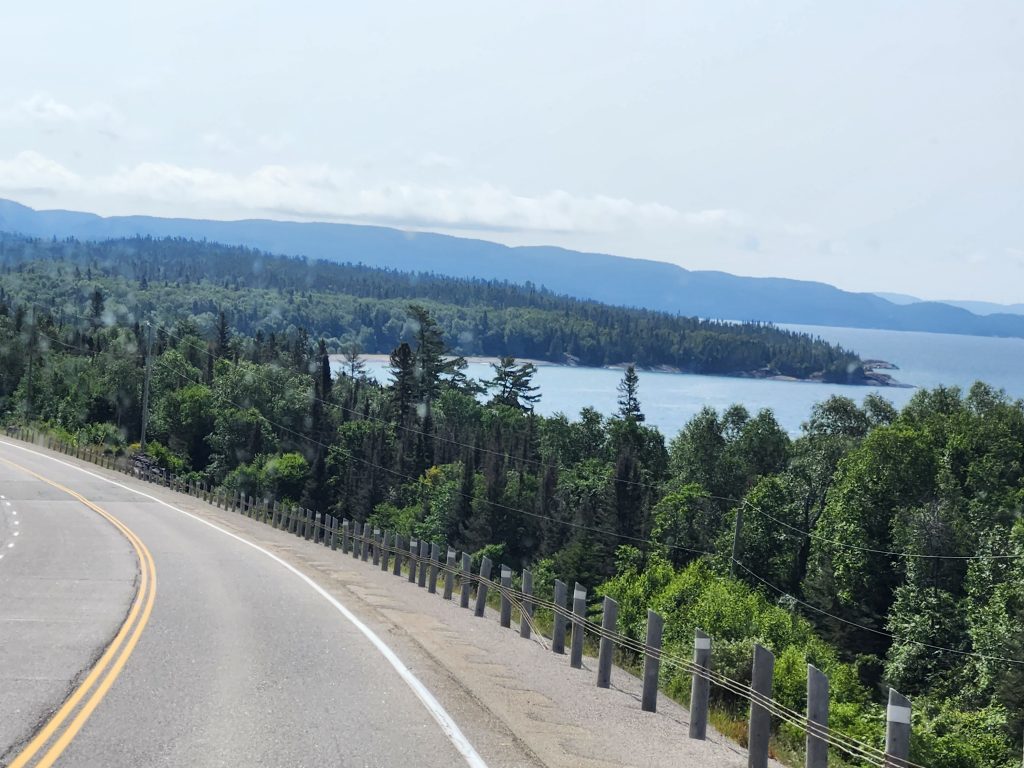
- Lake Superior Provincial Park: One of the most scenic stretches of highway in North America. The rugged coastline is stunning. Plan to book campsites well in advance via Ontario Parks.
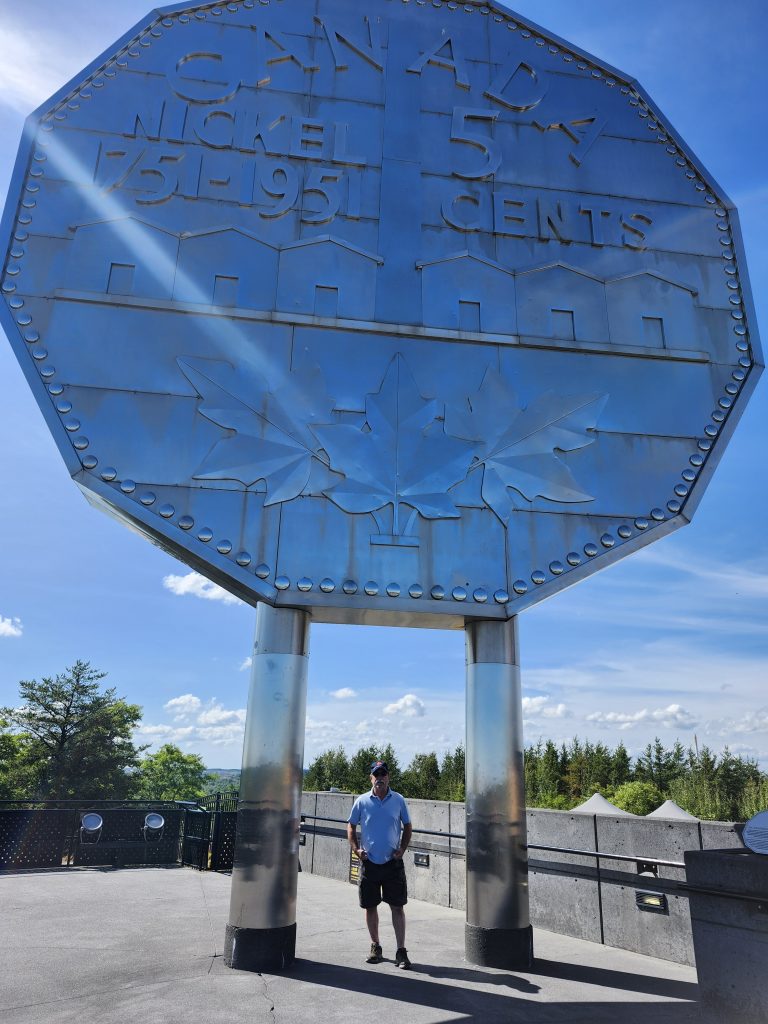
- Sudbury: A convenient stop for supplies and the home of the interactive science museum, Science North.
- Thunder Bay: A good hub city in the northwest, offering access to Sleeping Giant Provincial Park and essential motorhome services.
3. Motorhome Logistics in Ontario
Traversing a province this large requires some practical considerations.
- Campsite Reservations: Provincial parks are very popular, especially in the summer. Reservations for highly sought-after parks (like Algonquin or those near the Great Lakes) often need to be booked months in advance through the official Ontario Parks Reservation Service.
- Fuel Availability: In Northern Ontario, fuel stops can be few and far between. Monitor your fuel gauge and fill up whenever you see a major station, especially if you have a large rig with lower MPG.
- Road Conditions: Major 400-series highways are excellent, but some secondary roads in the north can be rougher. Plan routes using up-to-date GPS information tailored for RV sizes to avoid unexpected low clearances or weight limits.
Whether you seek the vibrant energy of Southern Ontario or the serene wilderness of the North, a motorhome journey across this diverse province provides a true taste of Canadian life. Happy travels!
Quebec
Finally, we made it to the province of Quebec, our birthplace and home to many relatives.
The stories are true, the roads are terrible and demanding a driver’s total concentration, navigating the never-ending potholes and road construction, oh, to be back.
upon arriving at our relatives’ house, it was time to take a break from travelling and do some needed upgrades to the motorhome.
The front and rear shocks needed to be replaced.
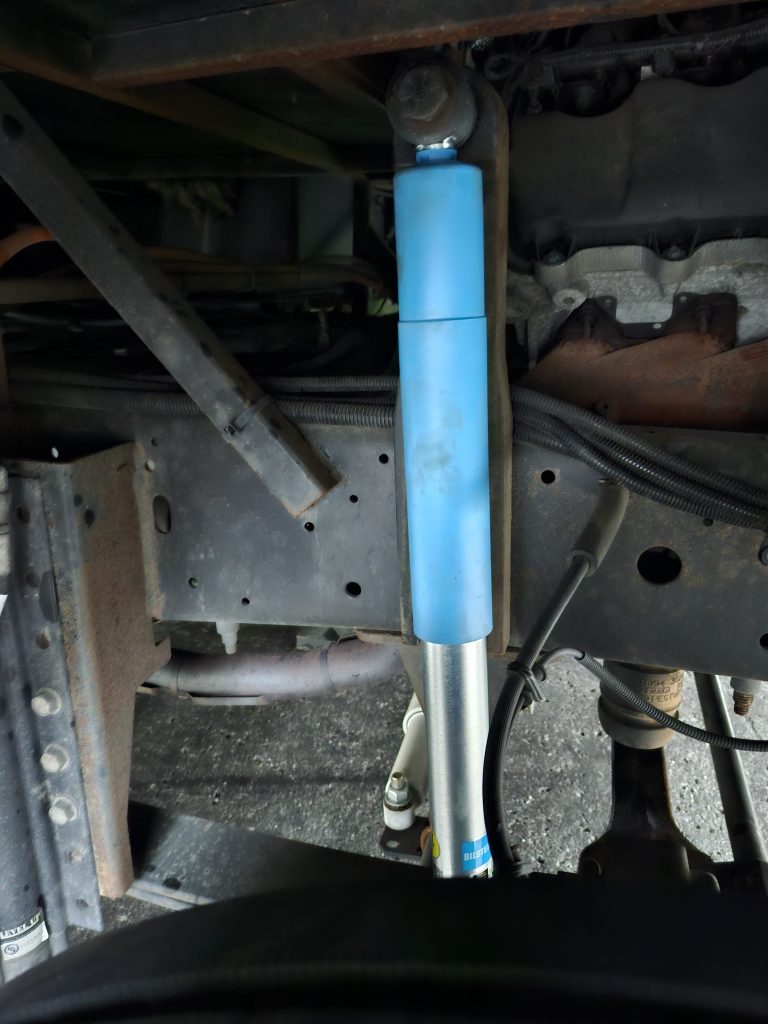
With repairs all done, it was time to relax.
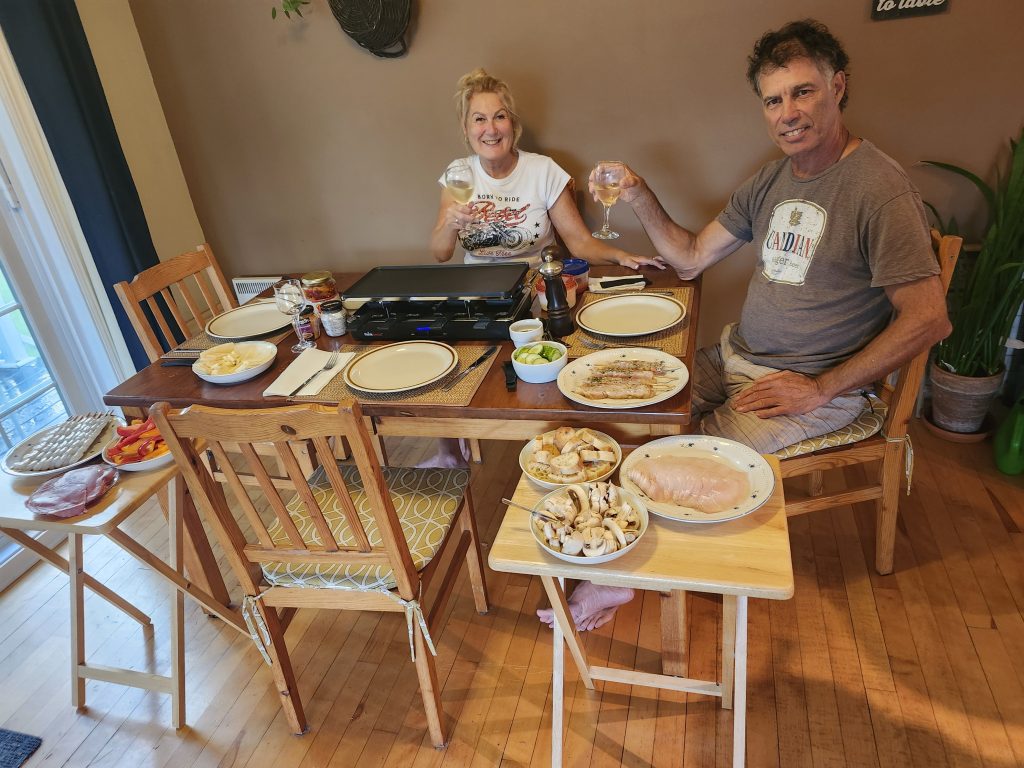
Great times, great food.
Quebec offers a rich tapestry of culinary delights and entertainment options that reflect its unique culture and history. From the world-famous poutine to artisanal cheese shops, the province caters to a diverse palate. The vibrant Montreal food scene is complemented by an array of festivals and events, showcasing local talent and traditions. As we settled into our surroundings, we eagerly anticipated exploring the lively streets filled with music, art, and exquisite dining experiences.
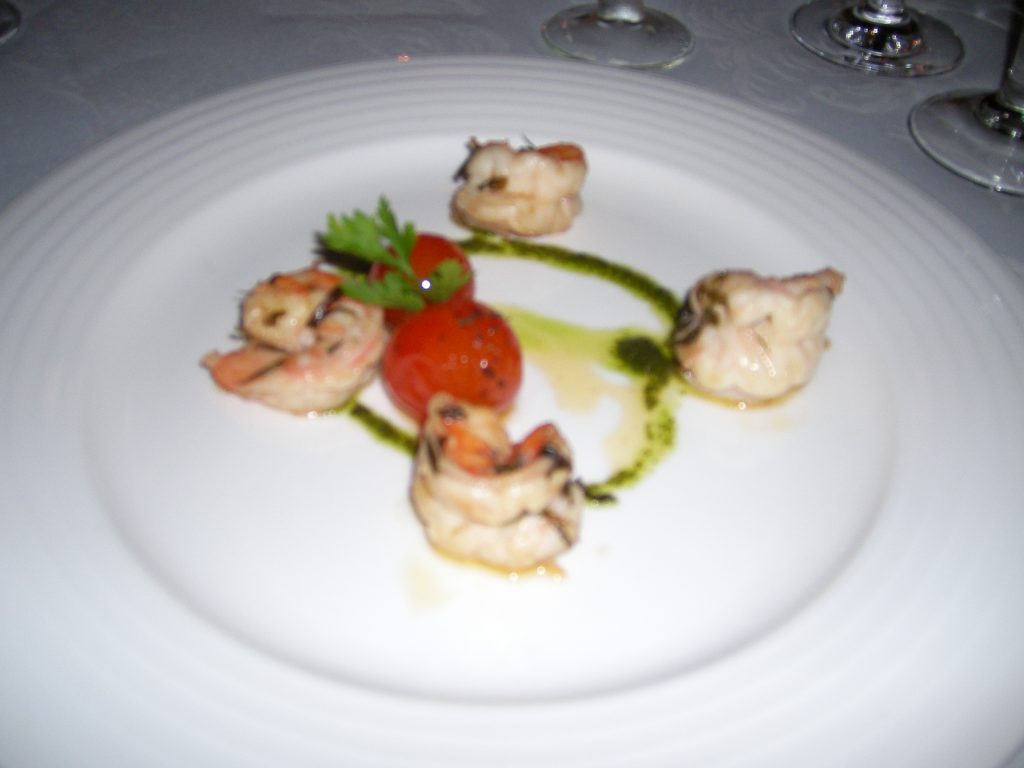
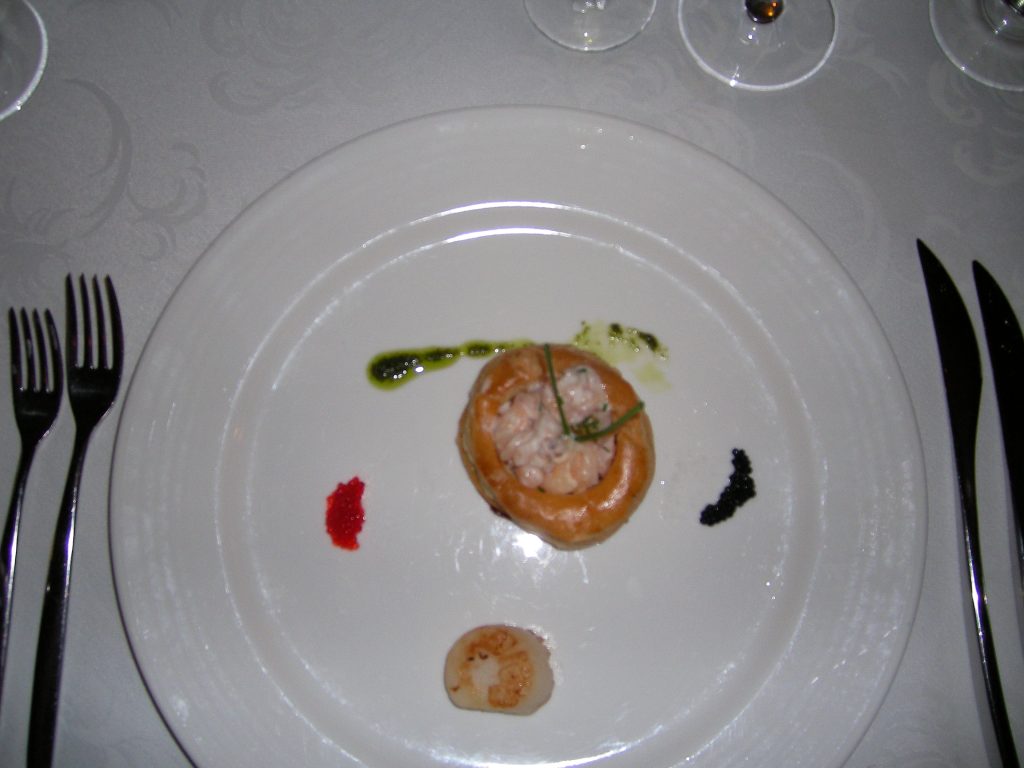
Montreal in the summertime is a captivating experience, enriched by the annual Blues Festival and Jazz Festival, which attract visitors from around the globe. The city resonates with the soulful sounds of musicians performing in the streets, while vibrant crowds savor the warm evenings. These festivals not only highlight the extraordinary talent of local and international artists but also offer a glimpse into Quebec’s rich cultural heritage, making it a must-visit destination during the summer months. As night falls, the streets come alive with a kaleidoscope of colours from the festival lights, guiding revellers to various stages. Food stalls line the avenues, tempting passersby with mouthwatering aromas of local delicacies. Families and friends gather in parks, sharing laughter and stories against a backdrop of captivating performances. The atmosphere buzzes with excitement as the city’s charm intertwines with the rhythm of the music, creating an unforgettable tapestry of experiences. Each moment spent in Montreal during this season becomes a cherished memory, inviting visitors to return year after year.
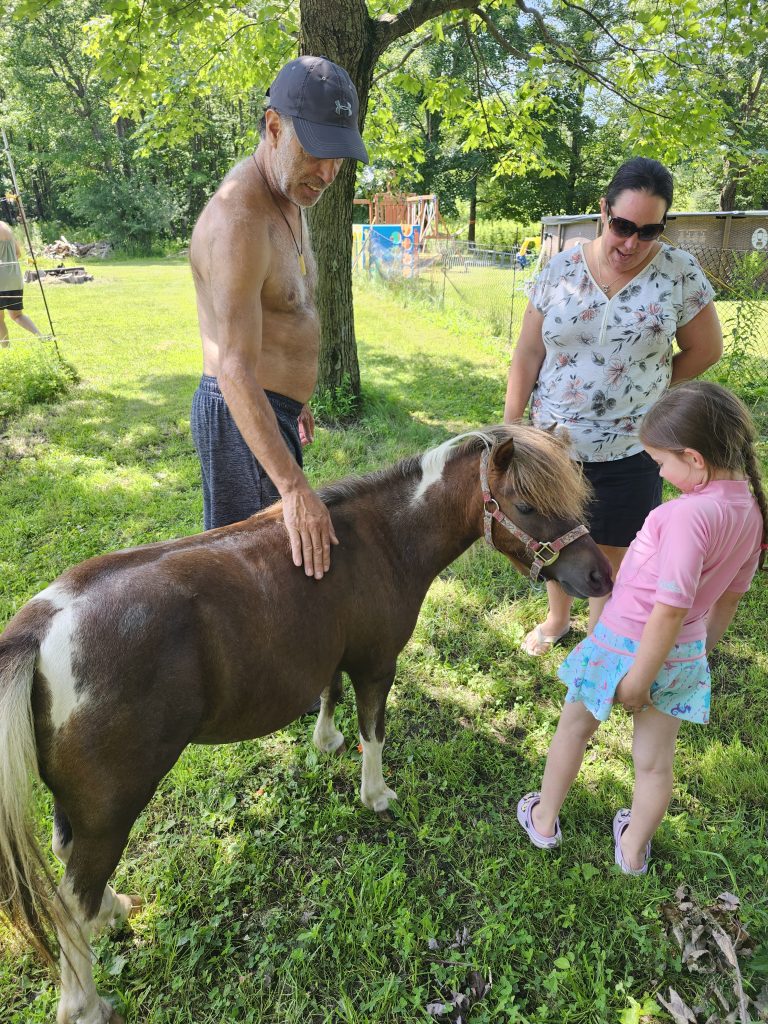
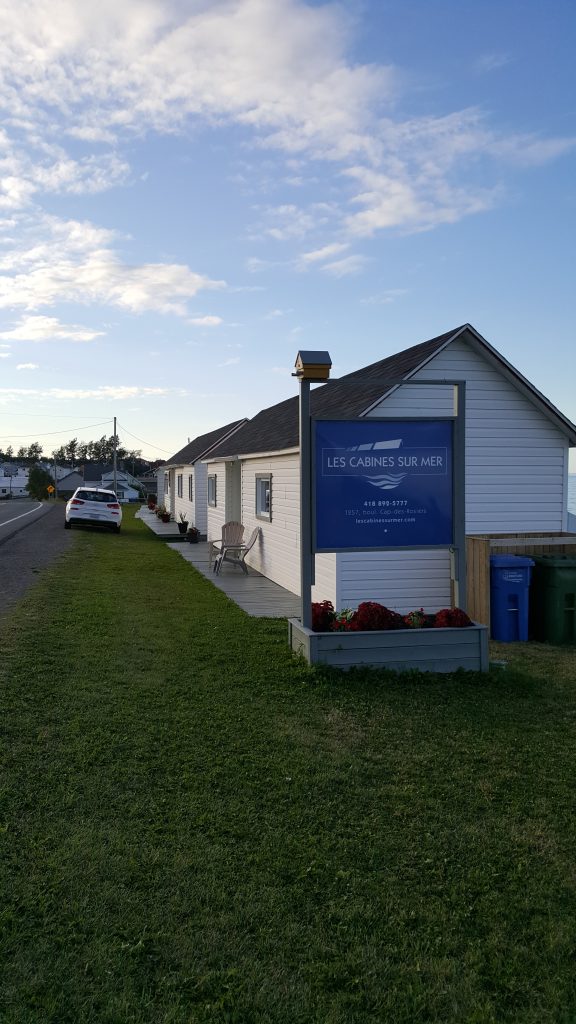
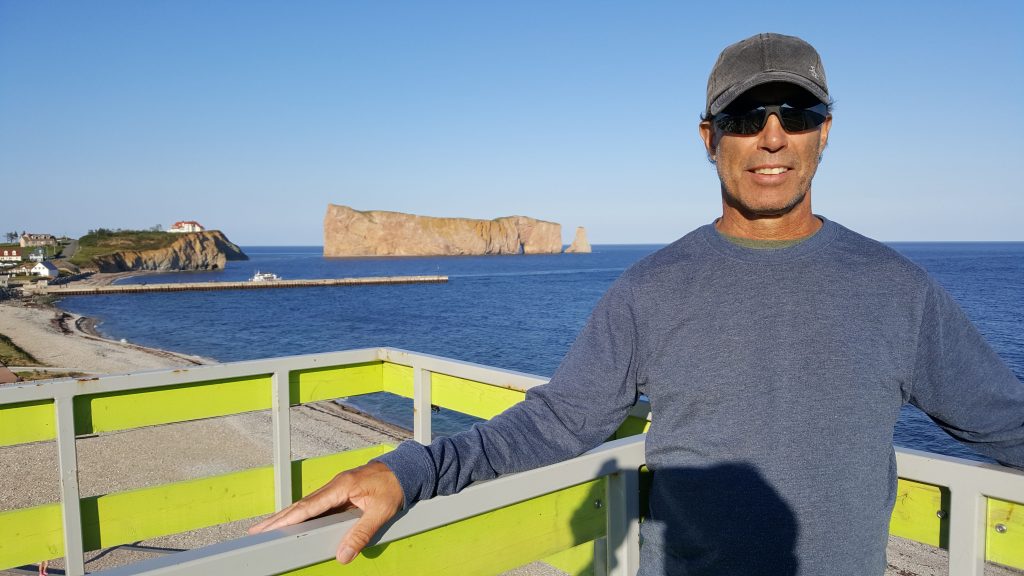
After a week or so, we headed off to the eastern part of Quebec, an area known as the Gaspe region.
The Gaspe region, renowned for its breathtaking coastal landscapes, offers a contrasting yet equally captivating experience. Dramatic cliffs, picturesque fishing villages, and the majestic Gulf of St. Lawrence characterize this stunning area. Visitors can explore the stunning Parc National de la Gaspésie, where the rugged terrain invites outdoor enthusiasts to hike and marvel at the region’s diverse wildlife. Rich in maritime history, Gaspe also showcases charming lighthouses and offers fresh seafood that reflects the region’s deep connection to the ocean.
As does our next stop…..
Nova Scotia
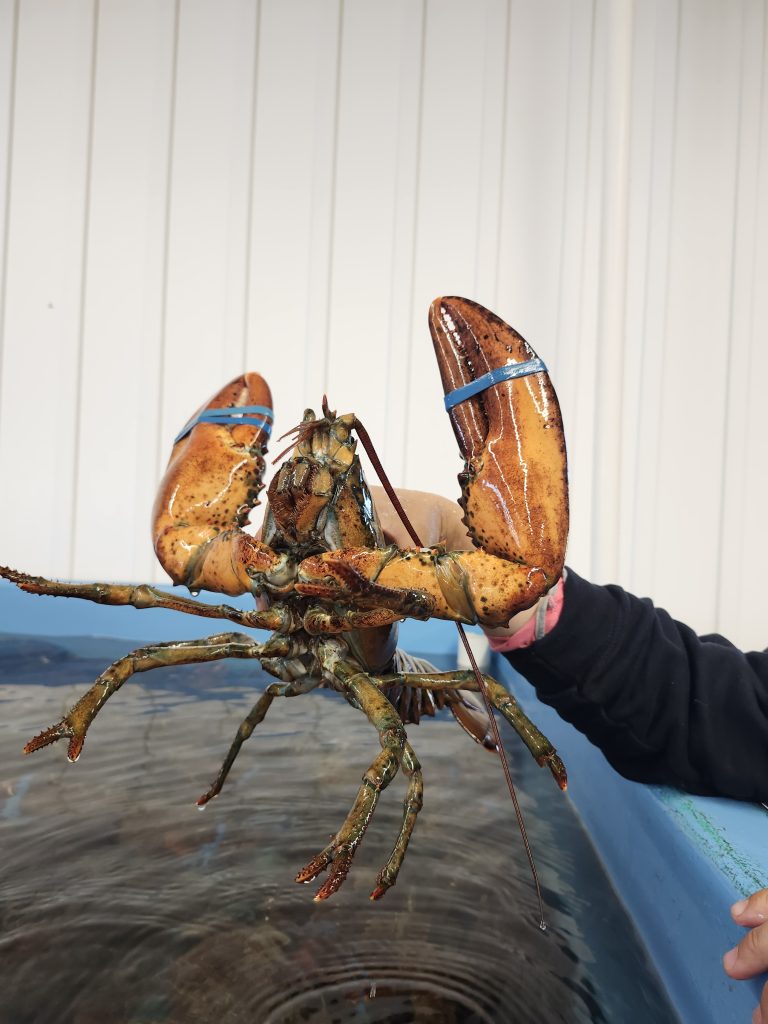
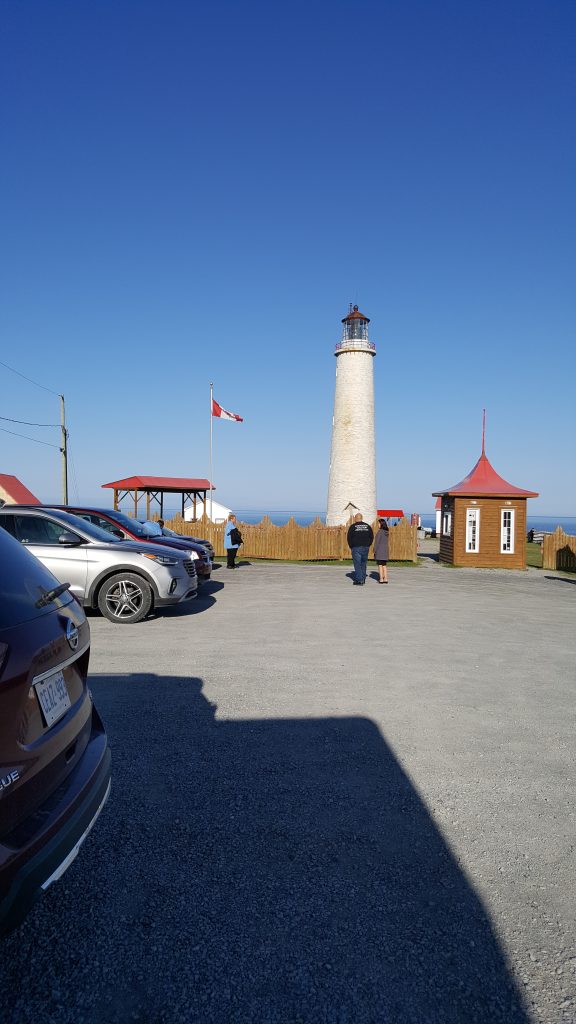
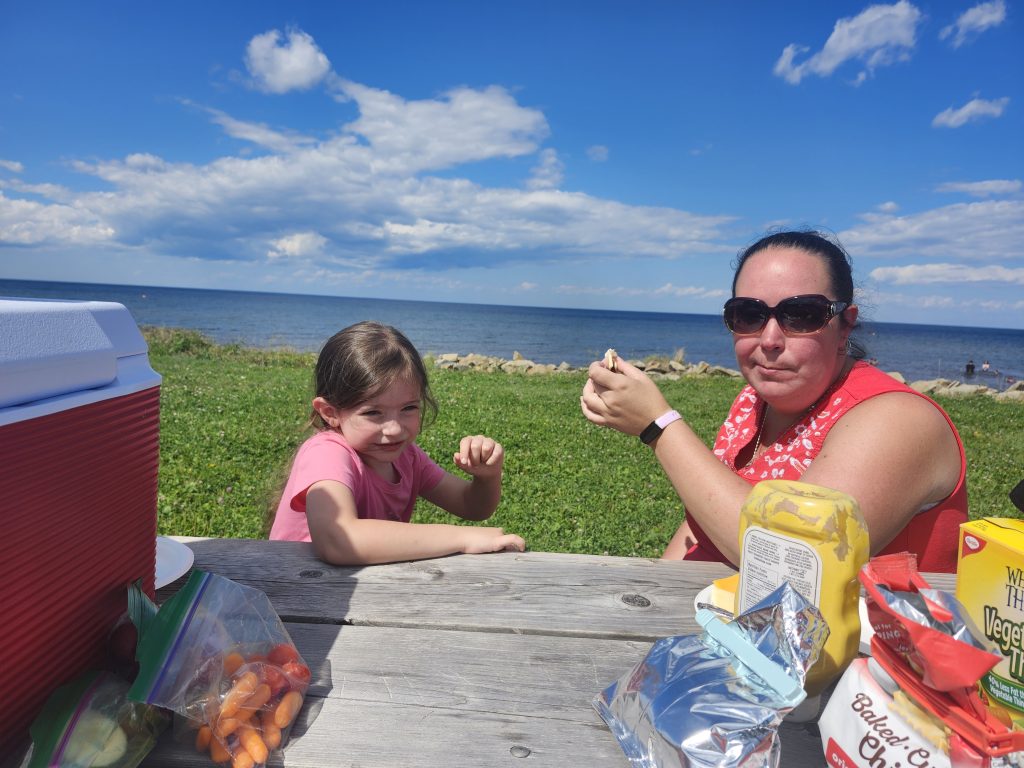
Nova Scotia is a province deeply intertwined with the sea and steeped in marine history. Quaint fishing ports and iconic lighthouses punctuate its rugged coastline, each telling tales of seafaring traditions and the indomitable spirit of its inhabitants. The vibrant maritime culture is reflected in its bustling fisheries and celebrated seafood cuisine, drawing visitors to experience the bounteous gifts of the Atlantic. With an abundance of opportunities for exploration, from scenic coastal drives to engaging maritime museums, Nova Scotia stands as a testament to the enduring connection between its people and the ocean.
Prince Edward island
If you’re seeking a destination that perfectly blends natural beauty, rich history, and the kindest hospitality, allow me to introduce you to
Prince Edward Island (PEI). Canada’s smallest province by land area is often called the “gentle island,” and for good reason—it’s a place that instantly makes you feel at home, wrapped in a landscape so picturesque it feels like a painting.
From the moment you cross the impressive Confederation Bridge, you’re transported to a world of rolling green hills, iconic lighthouses, and over 1,100 kilometres of coastline featuring both stunning white and signature iron-rich red sand beaches. Here’s a glimpse into what makes PEI so captivating.
The Landscape: Red Sands and Green Gables
The most striking feature of PEI is its soil. Rich in iron, it oxidizes to a distinct, vibrant red hue that colors the cliffs and beaches, creating a breathtaking contrast against the deep blue ocean and lush green fields. Be warned: the rusty color might rub off on your shoes, but the stunning photo opportunities are well worth it.
For literary fans, PEI is the ultimate pilgrimage. The island is the beloved setting of Lucy Maud Montgomery’s classic novel Anne of Green Gables. A visit to the
Green Gables Heritage Place in Cavendish or the
Anne of Green Gables Museum allows you to immerse yourself in the world of Anne Shirley, an experience that many visitors cherish.
Beyond the literary landmarks, outdoor enthusiasts will fall in love with the
Confederation Trail, a flat, easy-to-navigate trail built on a converted railway that spans the entire island, perfect for walking, running, or biking.
A Foodie’s Paradise: Canada’s Food Island
PEI has rightfully earned its nickname as “Canada’s Food Island”. The island’s culinary scene is a major highlight, centered around fresh, local ingredients.
- Seafood: Mussels, oysters, and lobster are abundant and incredibly fresh. A traditional lobster supper is a must-have experience.
- Produce: The island’s rich red soil yields excellent crops, particularly potatoes.
- Sweets: You can’t visit without trying the famous Cow’s Ice Cream, a local institution with locations across the island.
Charm and Hospitality: The Heart of PEI
The true magic of PEI lies in its people. Islanders are known for their warm hospitality and friendly nature, making every visitor feel like a long-lost cousin. The cities and towns reflect this gentle charm:
Charlottetown: The provincial capital boasts a dynamic blend of historic architecture, a vibrant arts scene, and lovely waterfront areas. Be sure to wander down
Victoria Row, a bustling pedestrian street with charming shops and eateries.
Victoria by the Sea, North Rustico, and Summerside: These smaller towns offer unique experiences, from artist communities to fishing harbors and culinary hubs.
Whether you’re exploring the historic streets, digging for clams on a sandbar, or simply relaxing on one of the 90+ beaches, PEI offers an unforgettable escape. It’s a place where you can unwind, create lasting memories, and fall in love with the simple beauty of an island surrounded by singing waters.
Start planning your own PEI adventure with resources from Tourism Prince Edward Island and discover this slice of Canadian heaven for yourself!
And so, as the motorhome rolled to a final, gentle stop in the familiar driveway, it wasn’t just the end of a journey across a vast and beautiful land; it was the closing of a chapter written in miles, memories, and the unbreakable bond of shared adventure. The odometer had tracked the physical distance from sea to shining sea, but the true measure of the trip was etched in our hearts.
We stepped out onto solid ground, our legs a little unsteady after weeks of life in a moving home. The motorhome, our faithful metal steed, sat silent and still, already a repository of tales: of misty mornings by the Atlantic in Peggy’s Cove, where the air tasted of salt and history; of the endless, golden skies of the prairies that stretched our understanding of the horizon; of the majestic, imposing Rockies that made us feel small in the best way possible.
The road had been a great teacher. We’d learned that the history of this nation wasn’t just in museums and monuments, but in the quiet, resilient smiles of the people we met in small towns, in the ancient, whispering forests of British Columbia, and in the vibrant, bilingual rhythm of Quebec City. The adventure lay not just in the destination, but in the detours—the unexpected roadside attractions, the secluded campsites where the stars put on a show free of charge, and the spontaneous decisions to stay just one more night by a turquoise lake in Banff.
As we unpacked backpacks and suitcases overflowing with souvenirs and dirty laundry, each item told a story. A smooth, grey stone from a Bay of Fundy beach. A small, carved wooden bear from a market in the Yukon. The hundreds of photos on the camera roll were just placeholders for the vivid mental snapshots we would carry forever.
Life would return to its normal pace, the daily grind resuming its familiar hum. But something fundamental had shifted within us. We were no longer just a family living in a house; we were a crew of seasoned travelers who had seen a country unfold before their eyes, one kilometer at a time. The spirit of the open road, the freedom to chase the sunset, had imprinted itself on our souls.
We closed the motorhome door, the soft click a final punctuation mark on our epic tale. The adventures were over for now, the history absorbed, the memories forged in the fire of experience. But as we looked at each other, a silent understanding passed between us—the engine was off, but the wanderlust was very much alive. The journey had ended, but the story of our Canadian road trip was just beginning to be told.
