
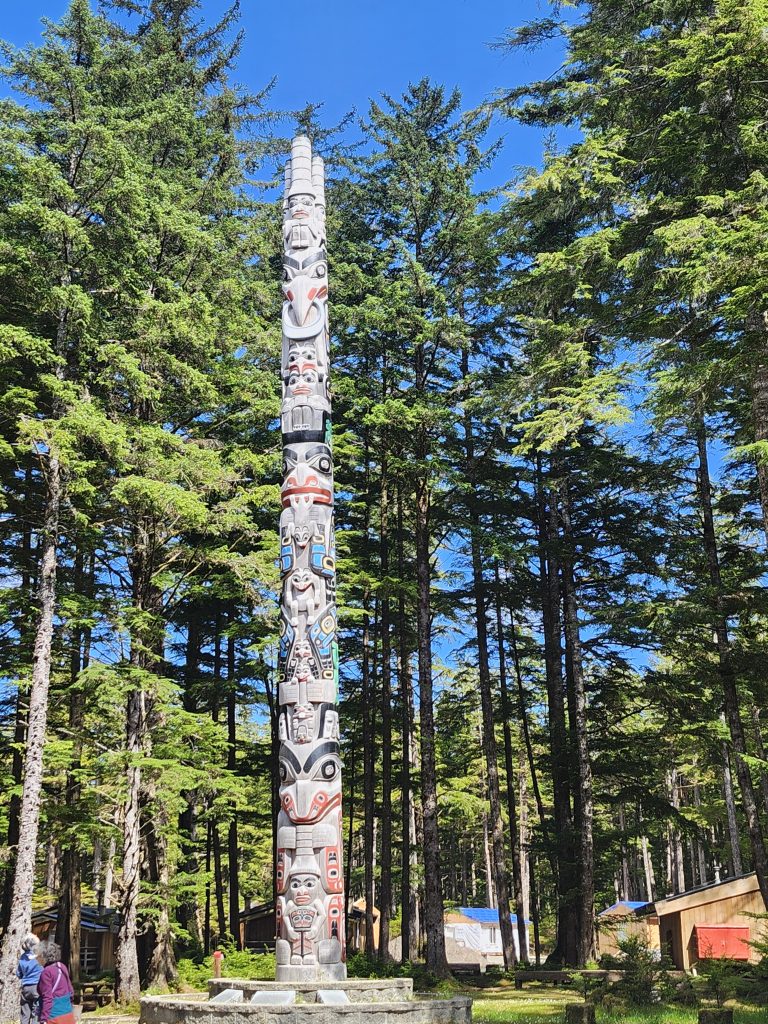
Haida Gwaii (formerly Queen Charlotte Islands) is renowned for its ancient temperate rainforests, rich biodiversity (“Canada’s Galapagos”), and the deep, resilient culture of the Haida Nation, who have lived there for millennia and reclaimed its traditional name, meaning “Islands of the People”. Accessible only by air or sea, it offers stunning landscapes, unique wildlife, and significant heritage sites like Gwaii Haanas National Park, where visitors can experience Haida art, history, and connection to the land through activities like hiking, kayaking, and exploring totem poles.
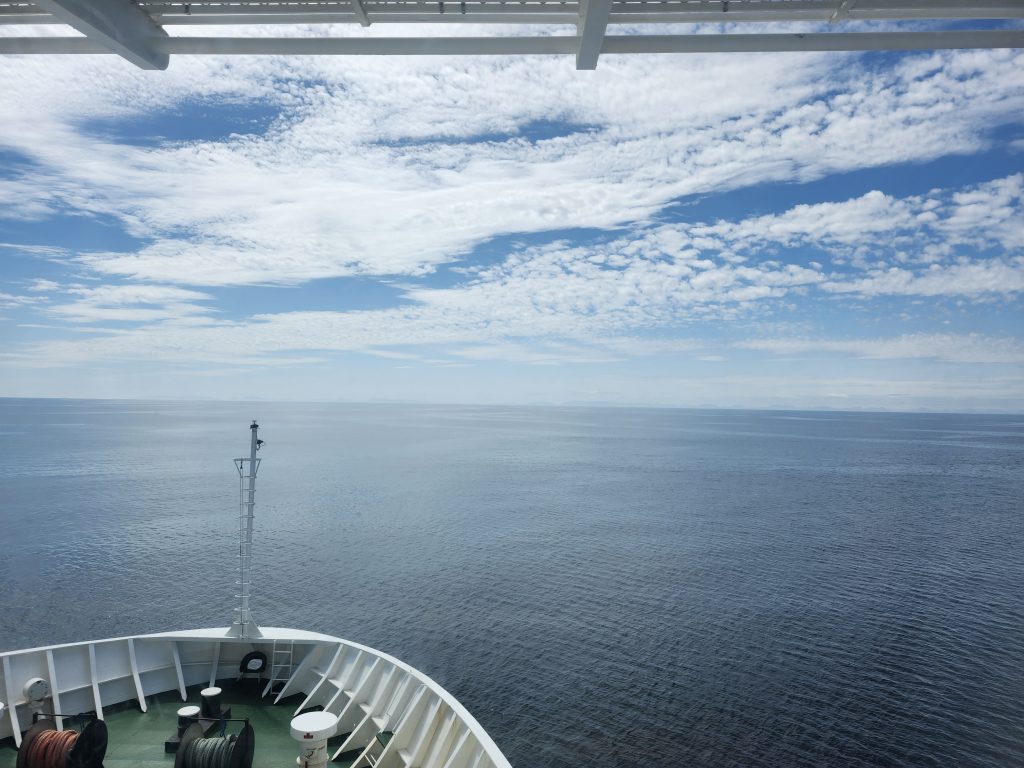
The journey begins with a 6 1/2 hour BC ferry ride. Starting in Prince Rupert or the famous 18-hour BC ferry ride from Port Hardy on Vancouver Island.
We started our adventure from the Prince Rupert side, with reservations that included a state room, ( the hot shower was a great bonus) as we had just travelled for 4 days before arriving at the Prince Rupert ferry terminal.
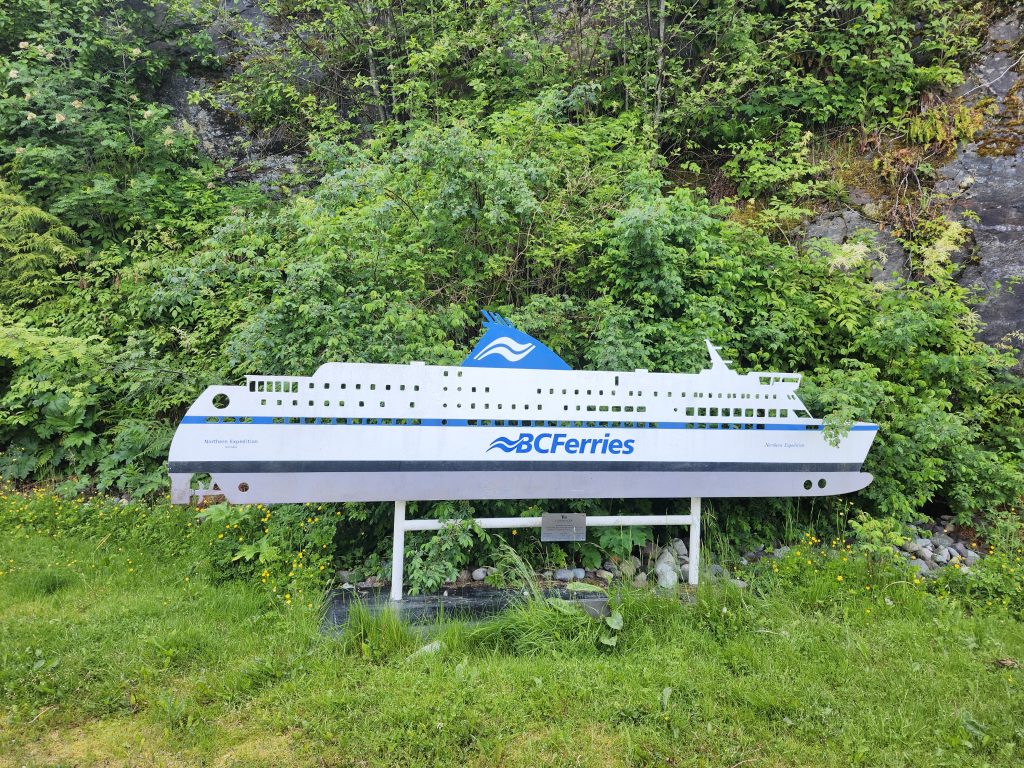

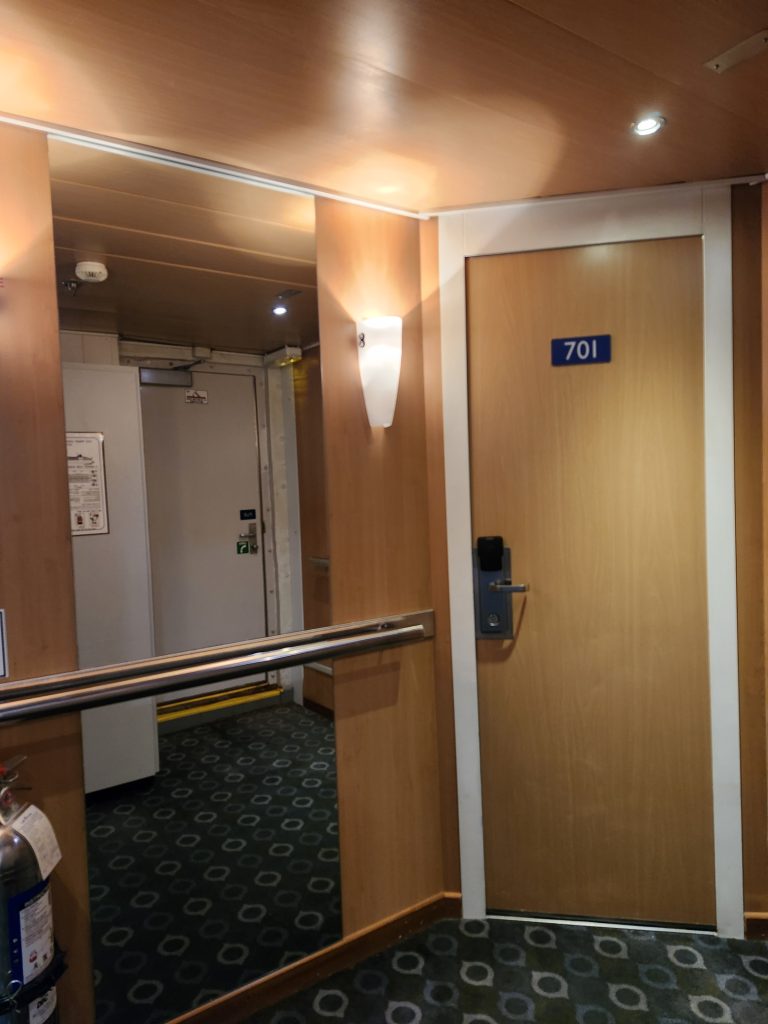
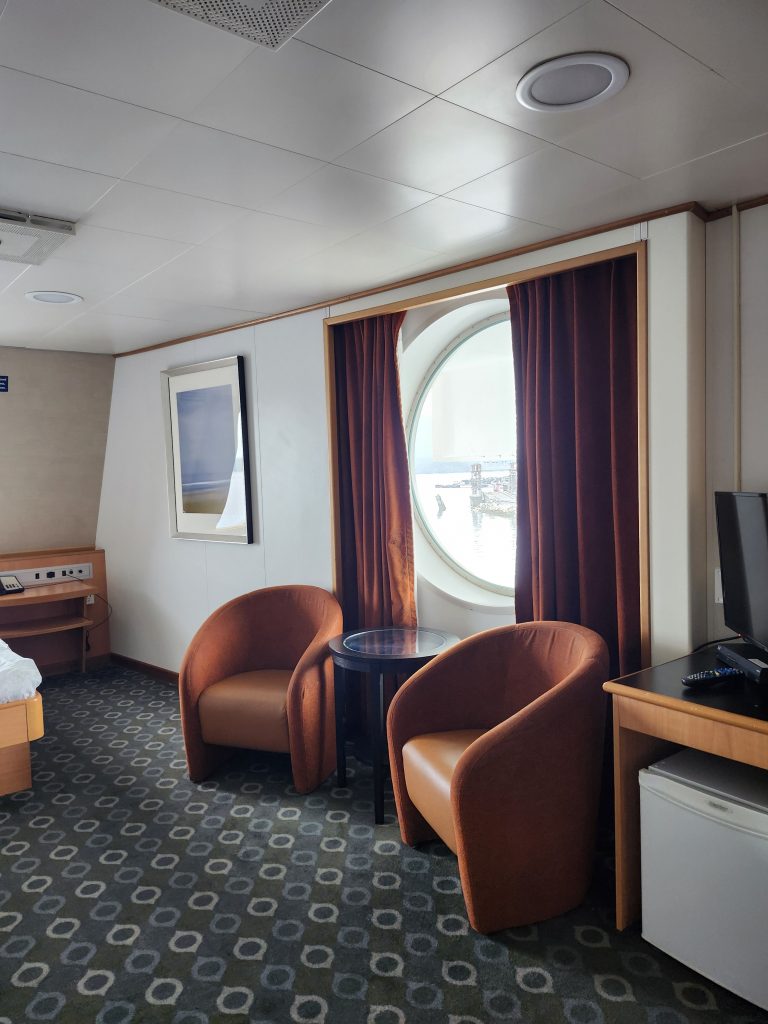
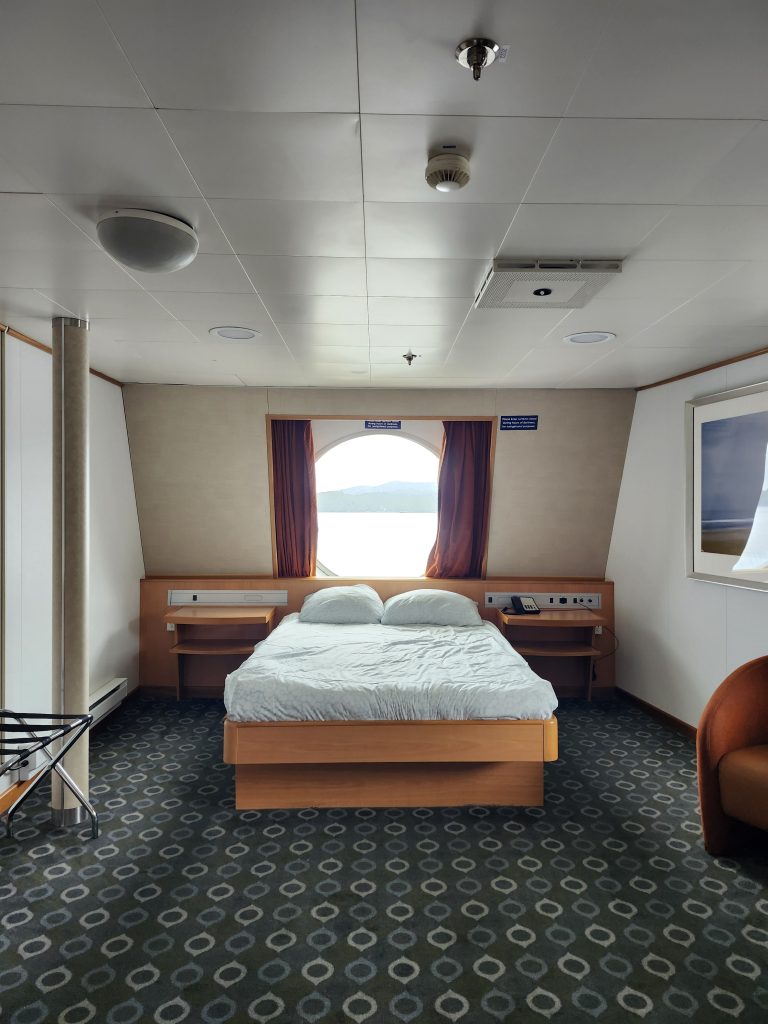
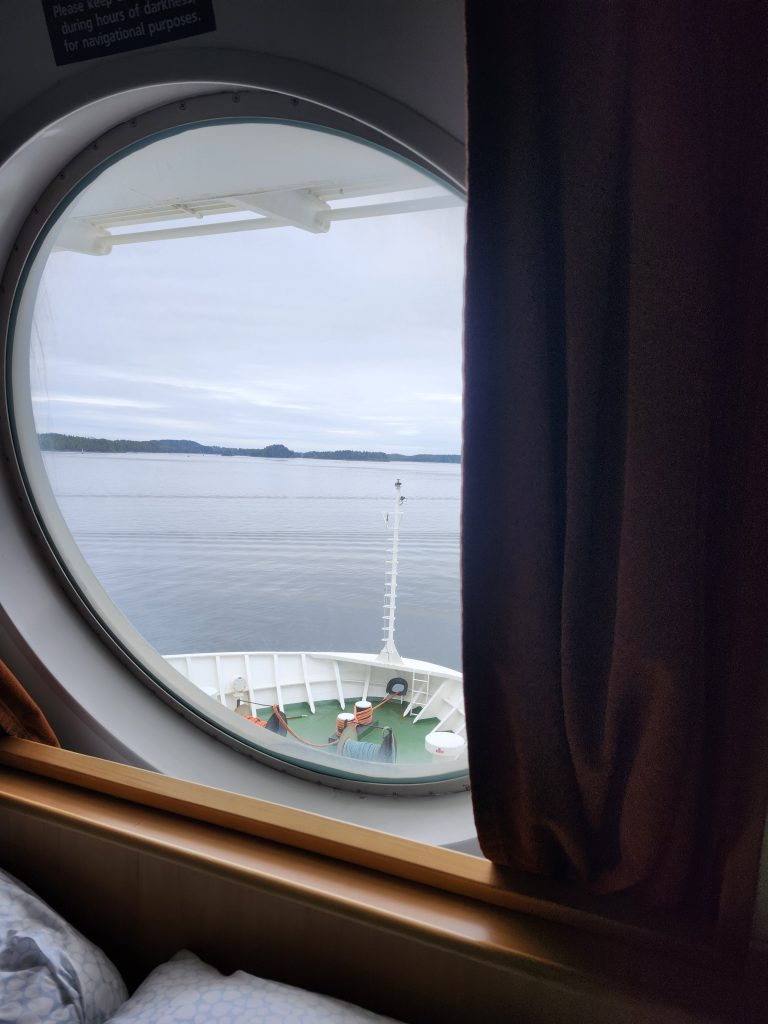
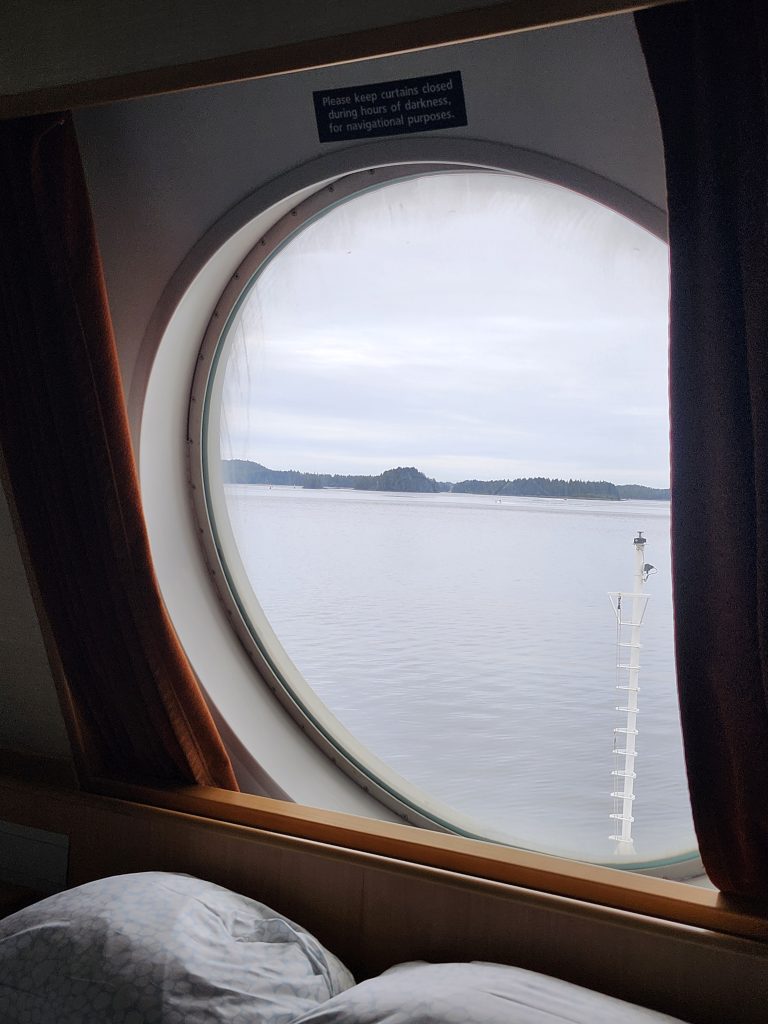
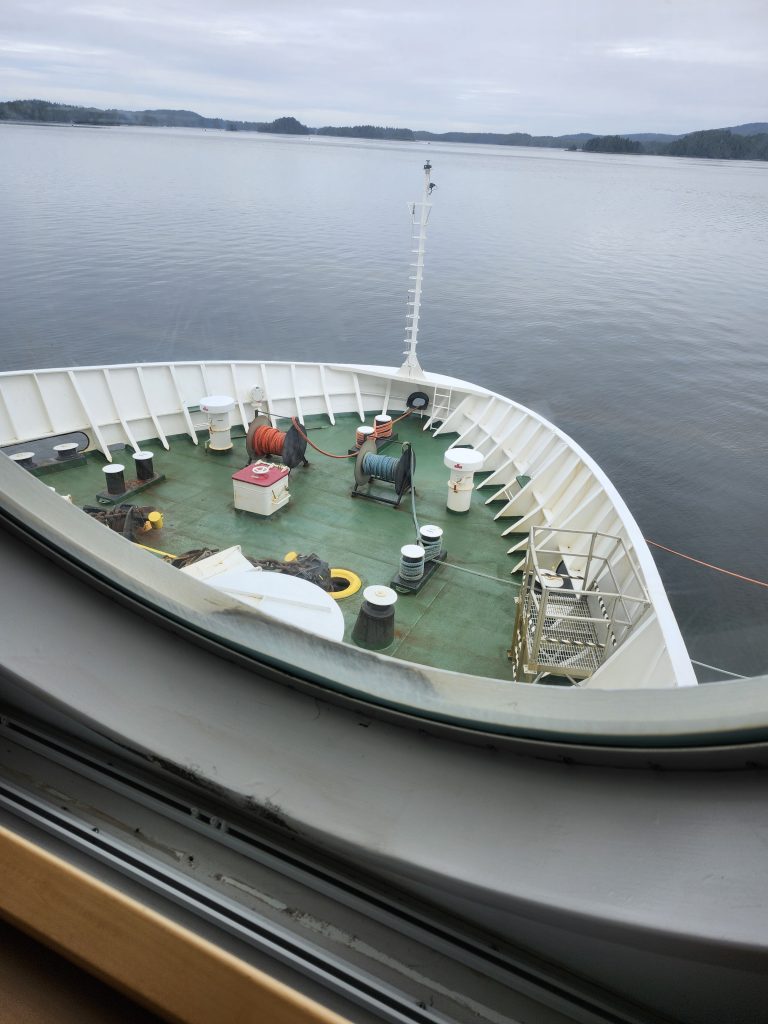
Reservations are highly recommended as the ferry is usually full, and without a reservation, you may have to wait days before being able to get on board.
The ride over to Skidgate on the island of Haida Gwaii was a smooth crossing ( a rare but enjoyable cruise).
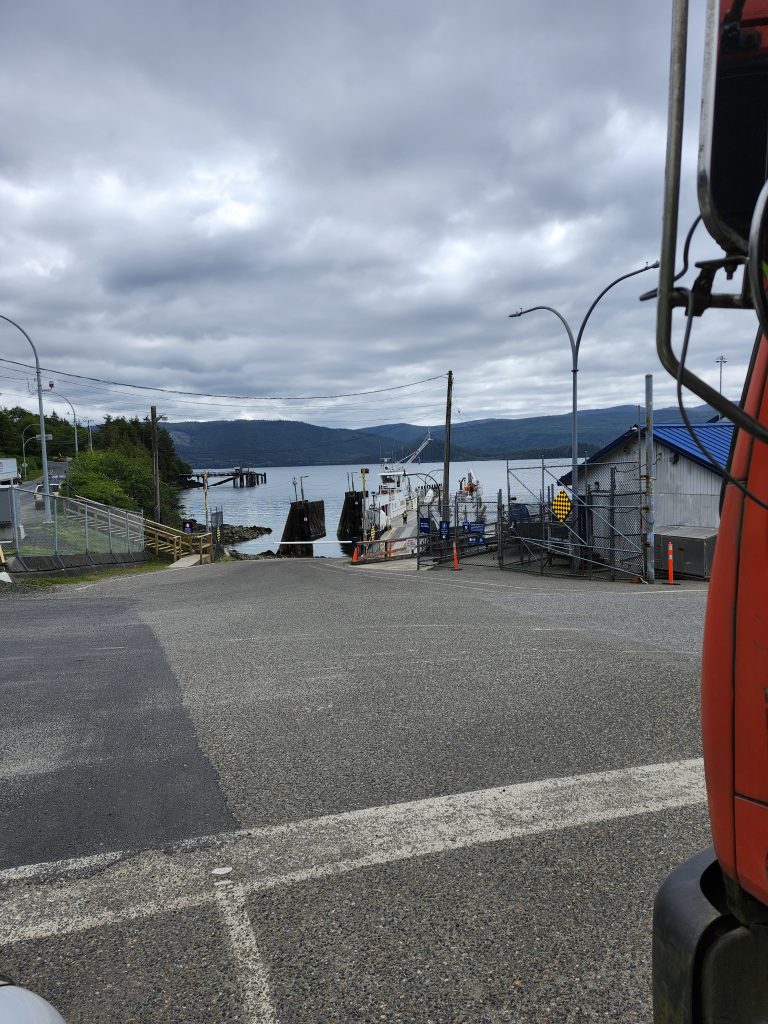
Arriving at Skidgate, we were immediately surprised to see the size of the ferry terminal, far from the usual ferry terminals found on the coast of British Columbia.
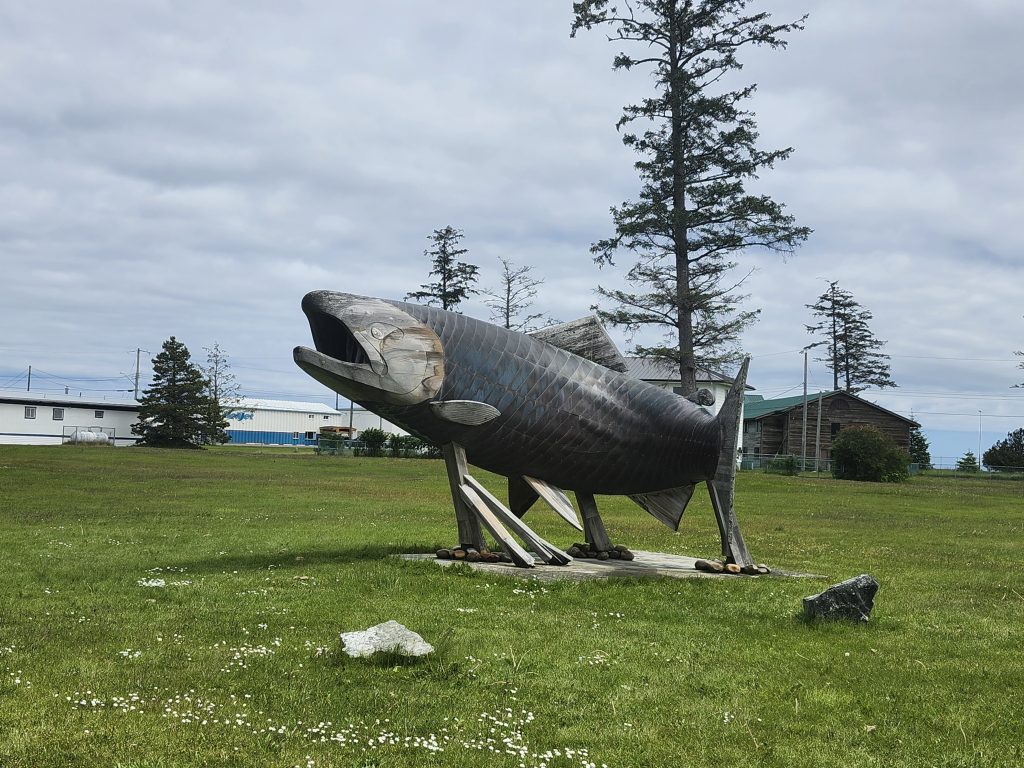
We noticed that the air was different here, full of curiosity and wonder.
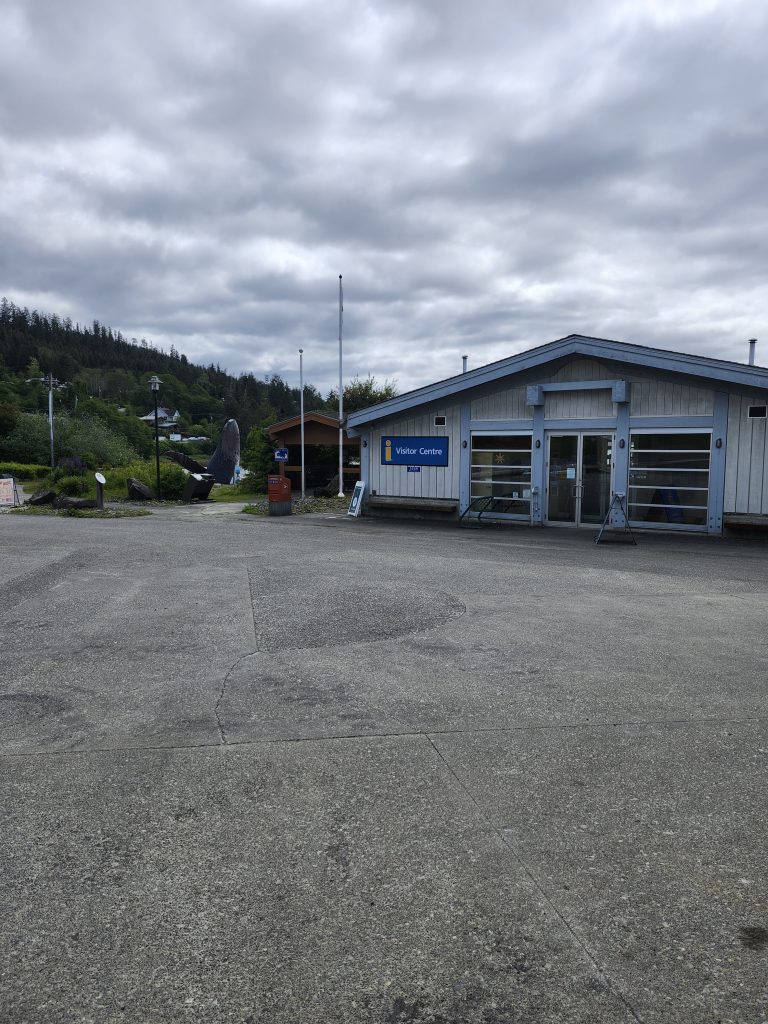
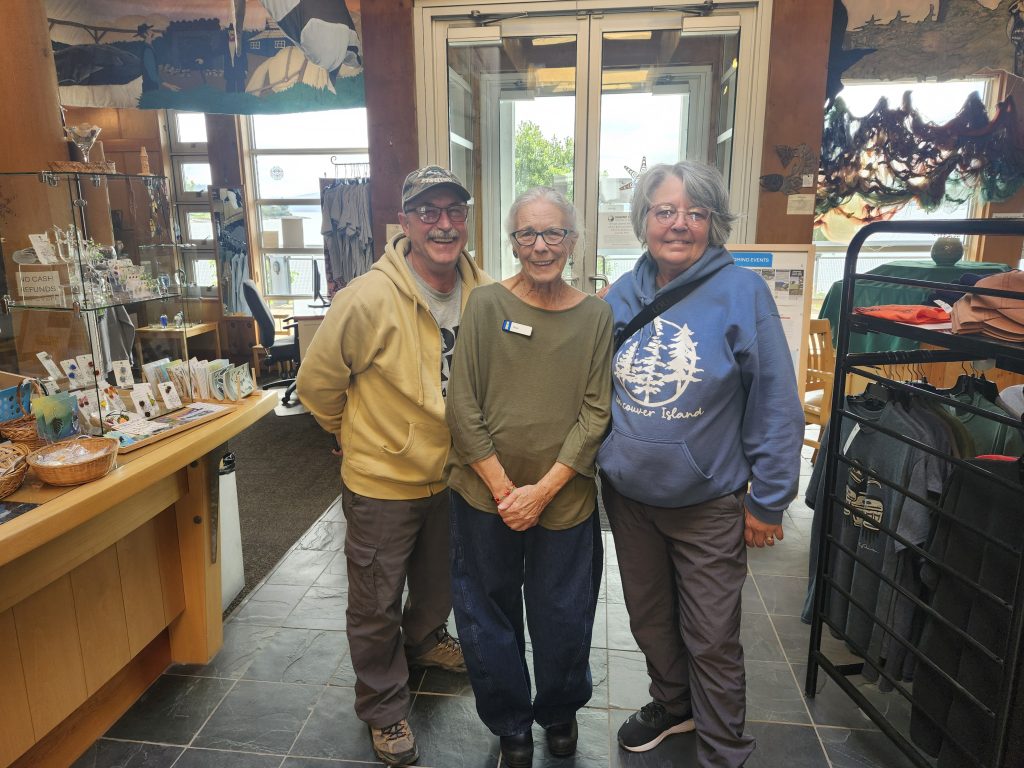
Our first order of the day was to connect with a friend’s relative at the tourist information center, and then off to our campsite.
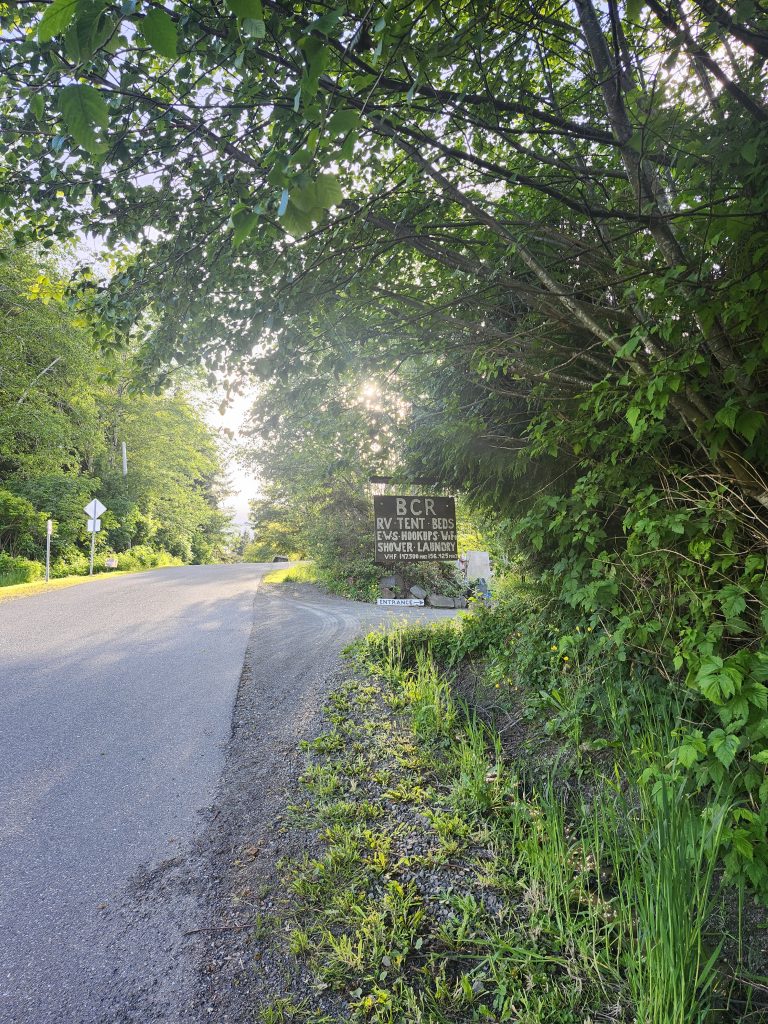
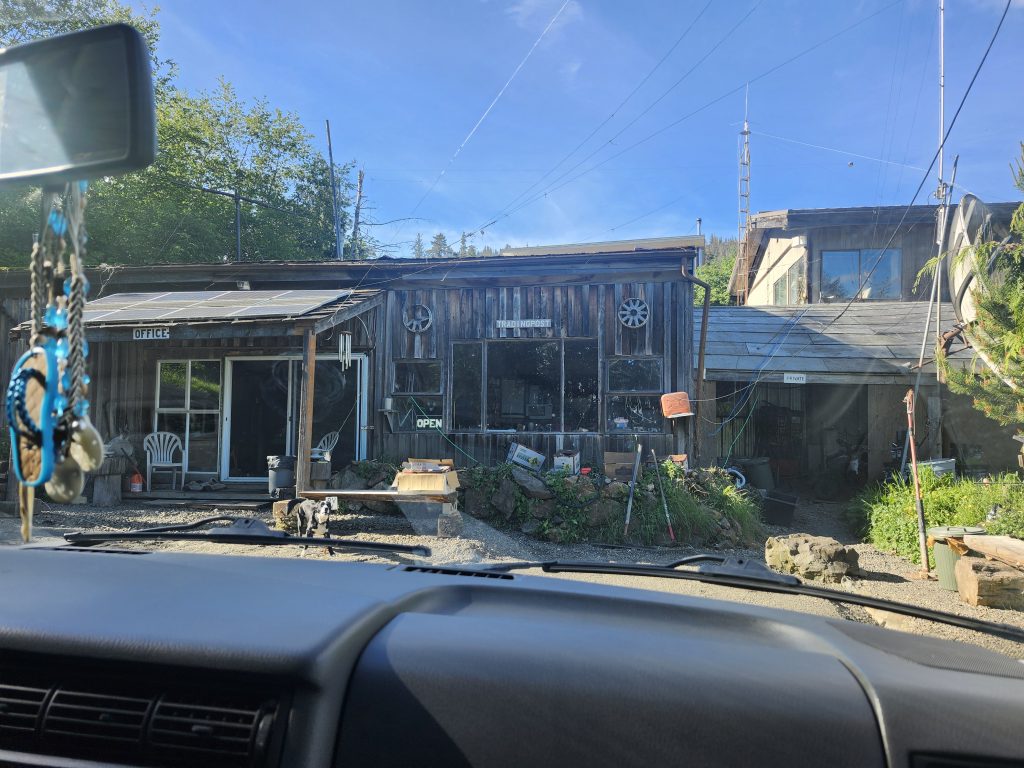
Our first night was spent at a campground that we would NOT recommend to any traveller.
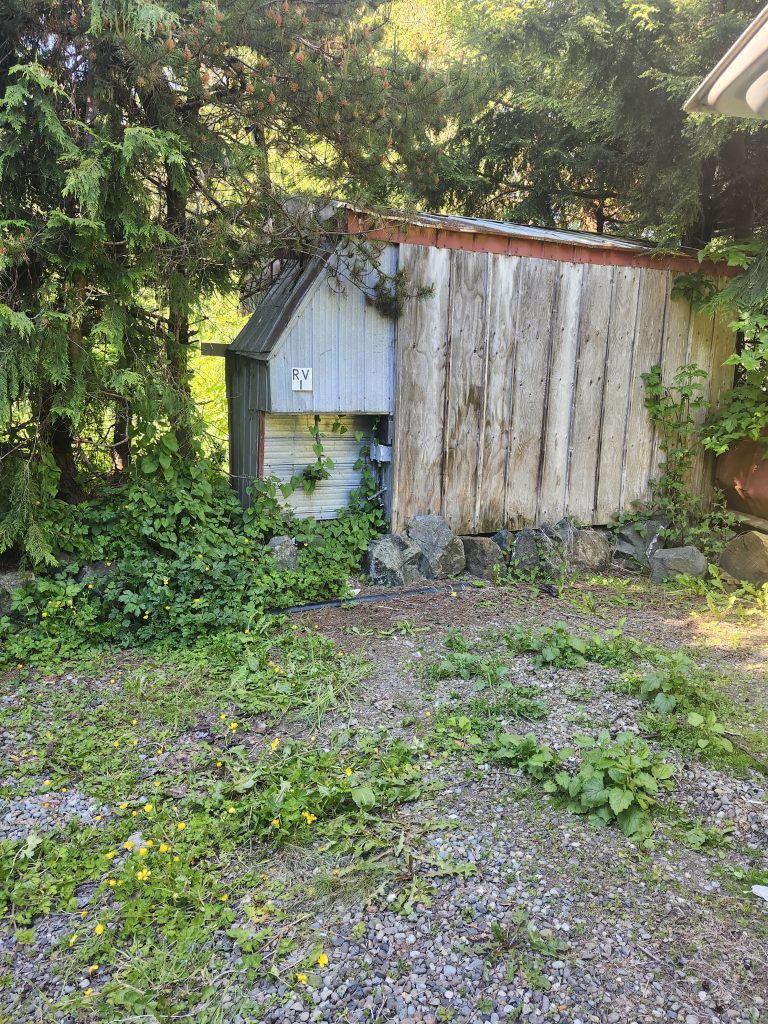

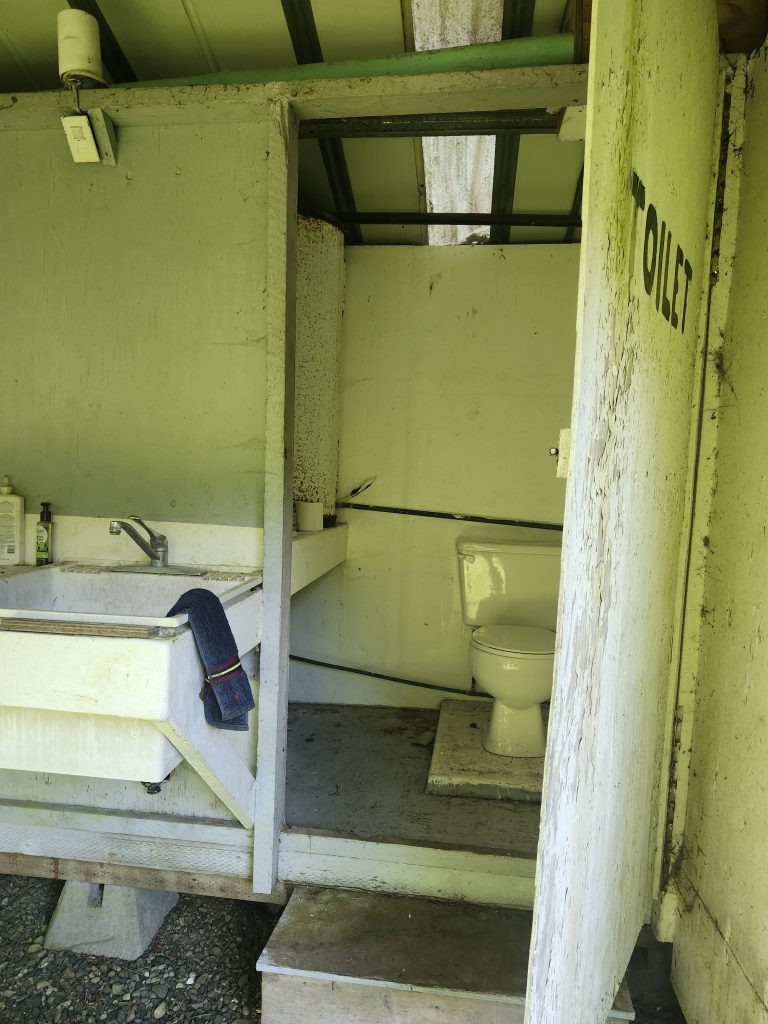
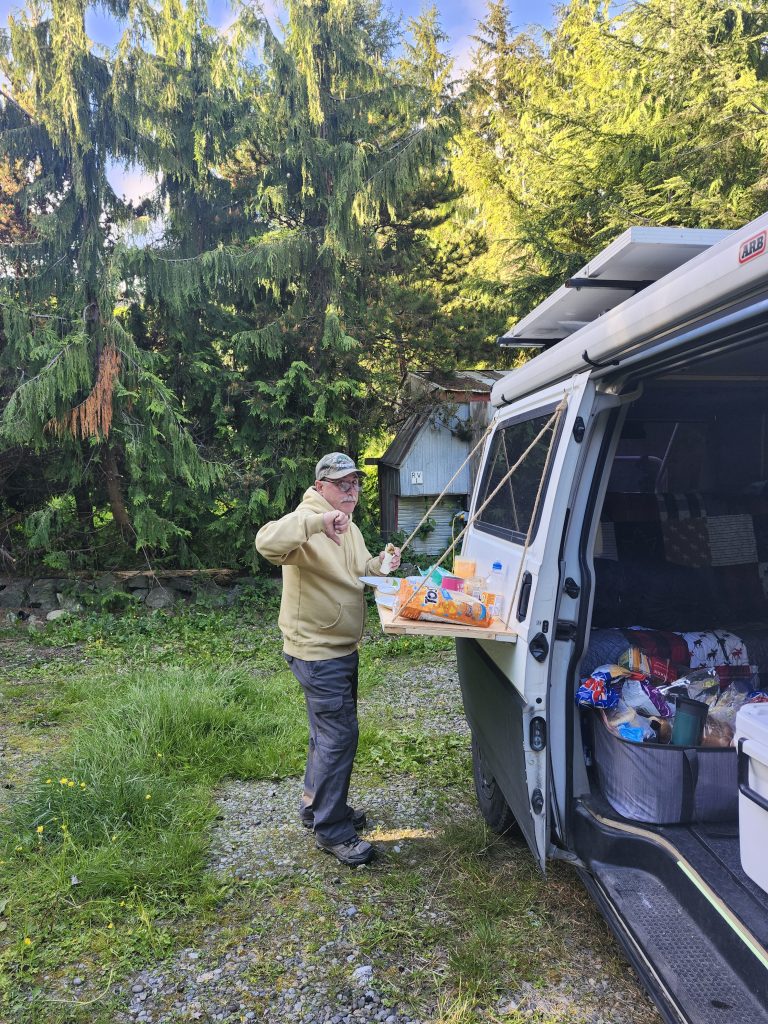
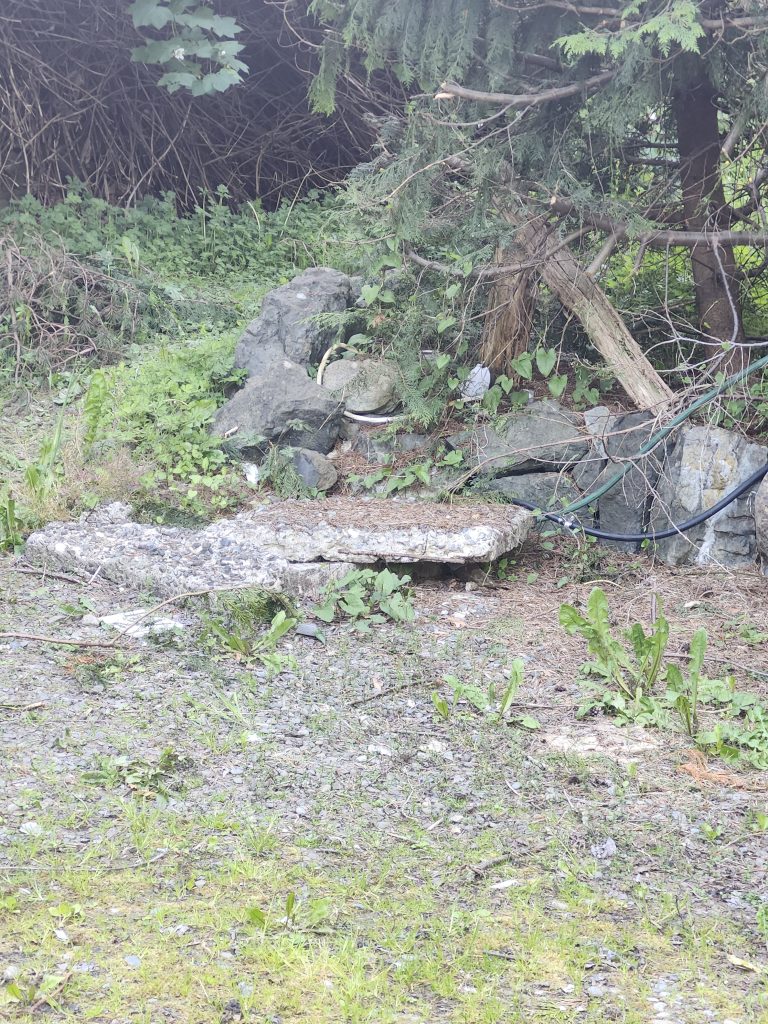
An open septic tank cover, YUCK and the smell terrible
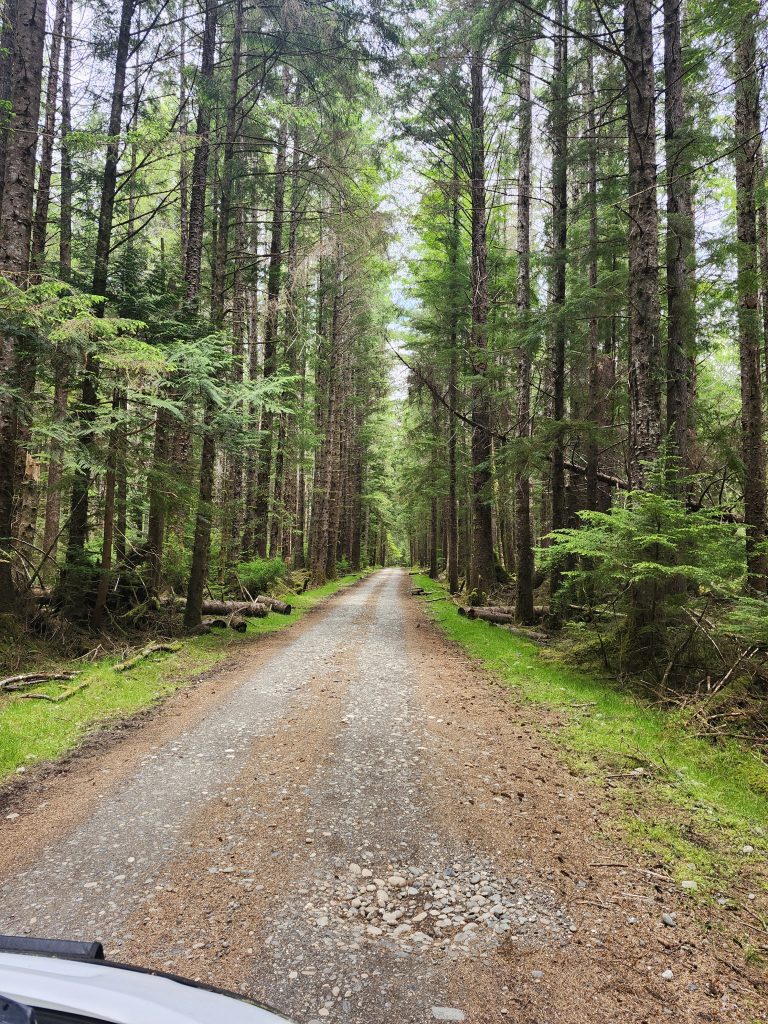
the next day involved another smaller 20-minute ferry ride to Sandspit on the moresby island section of Haida Gwaii and then onto Gray Bay, with stern advice to beware of bears.
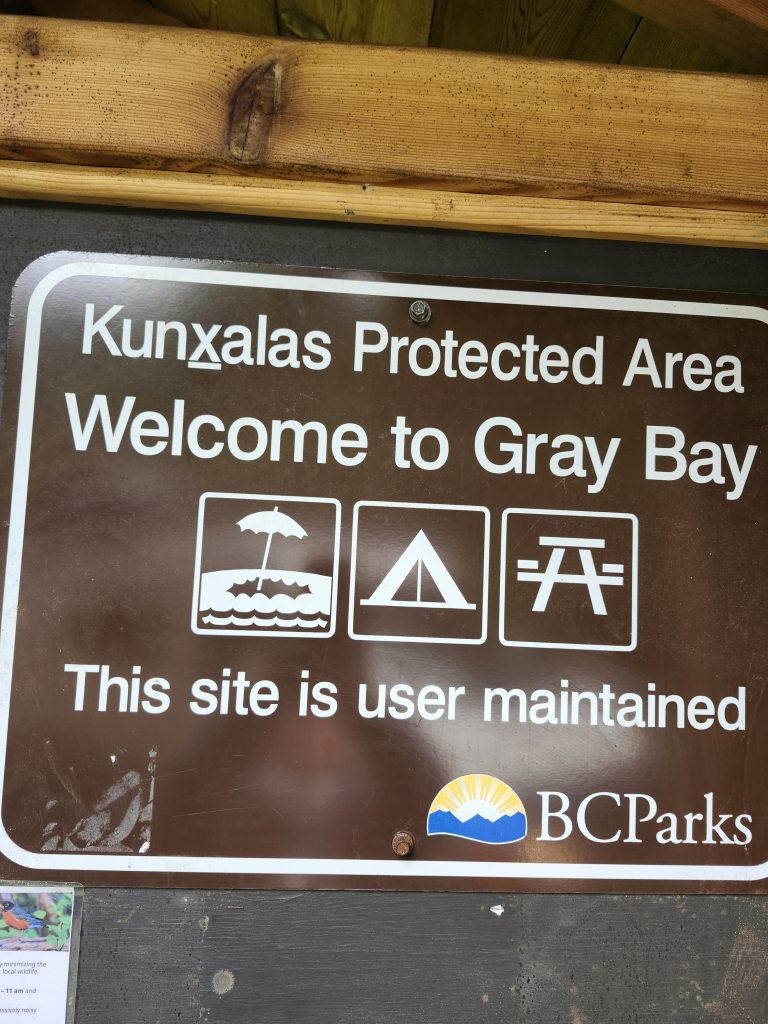
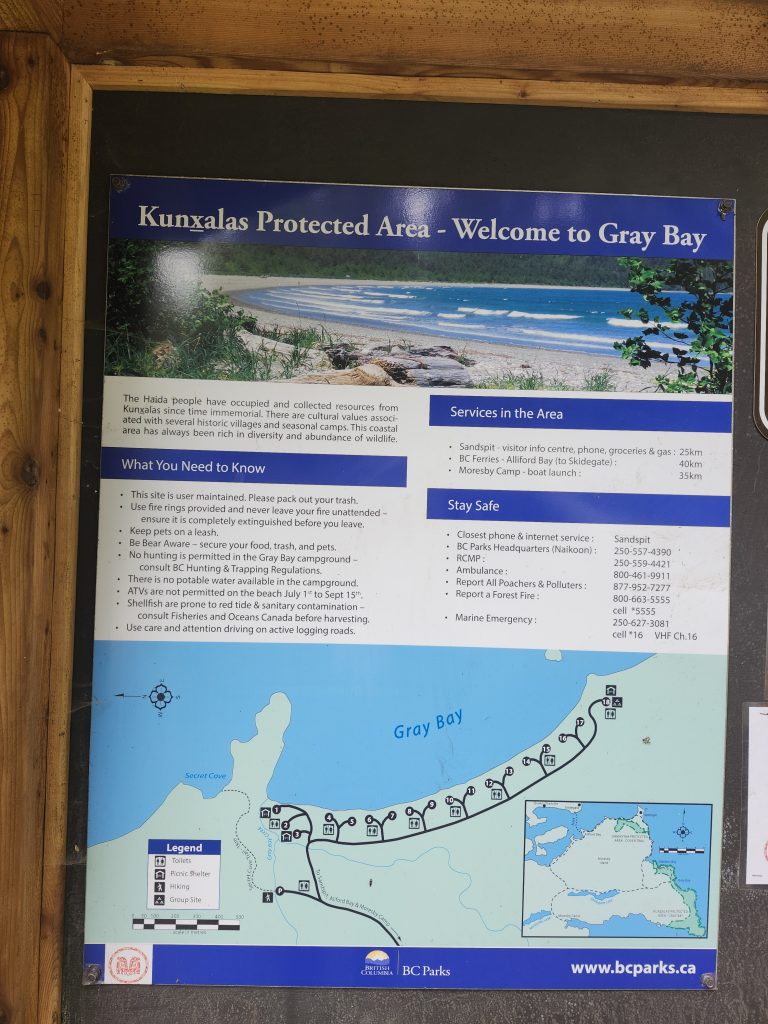
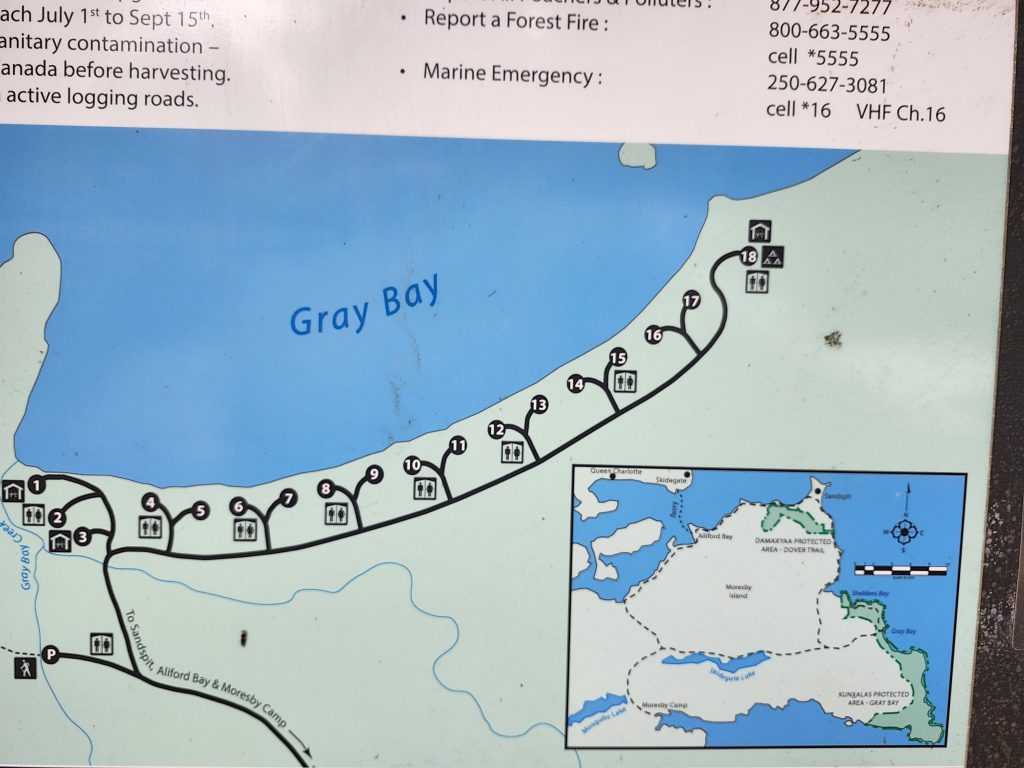
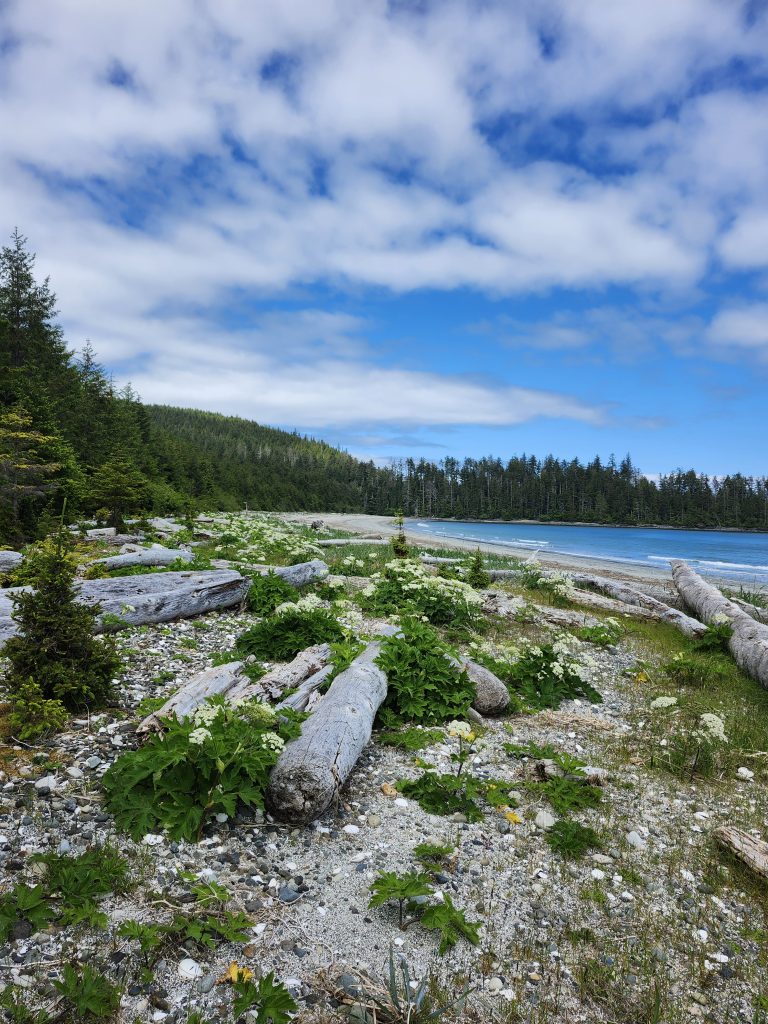
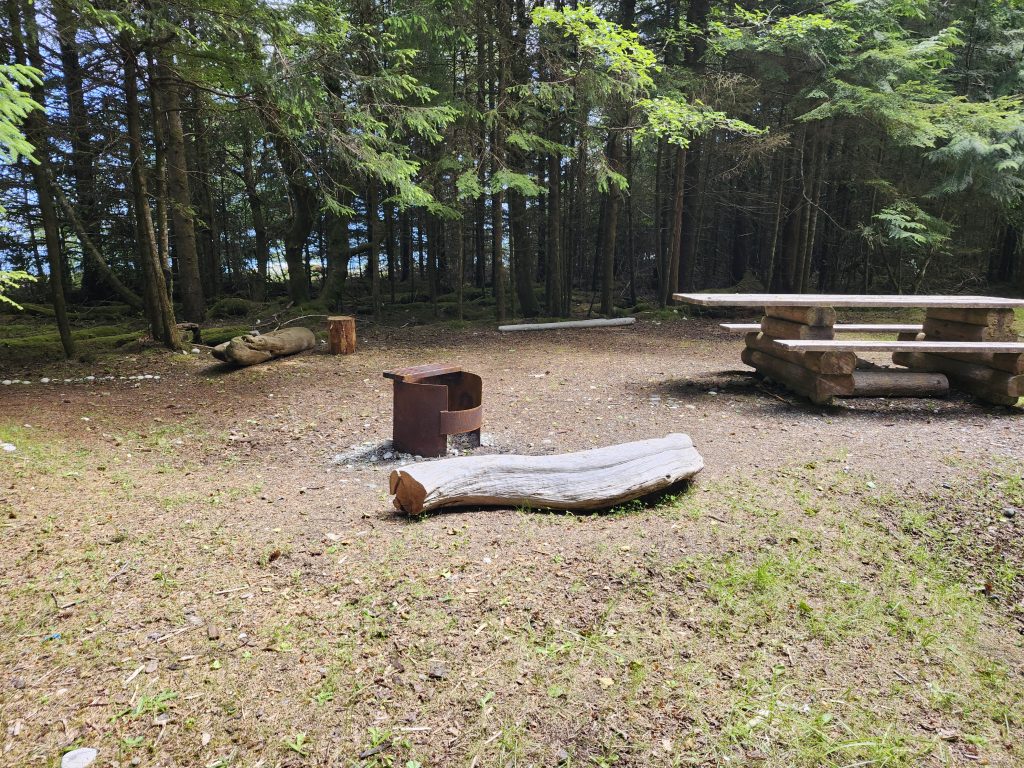
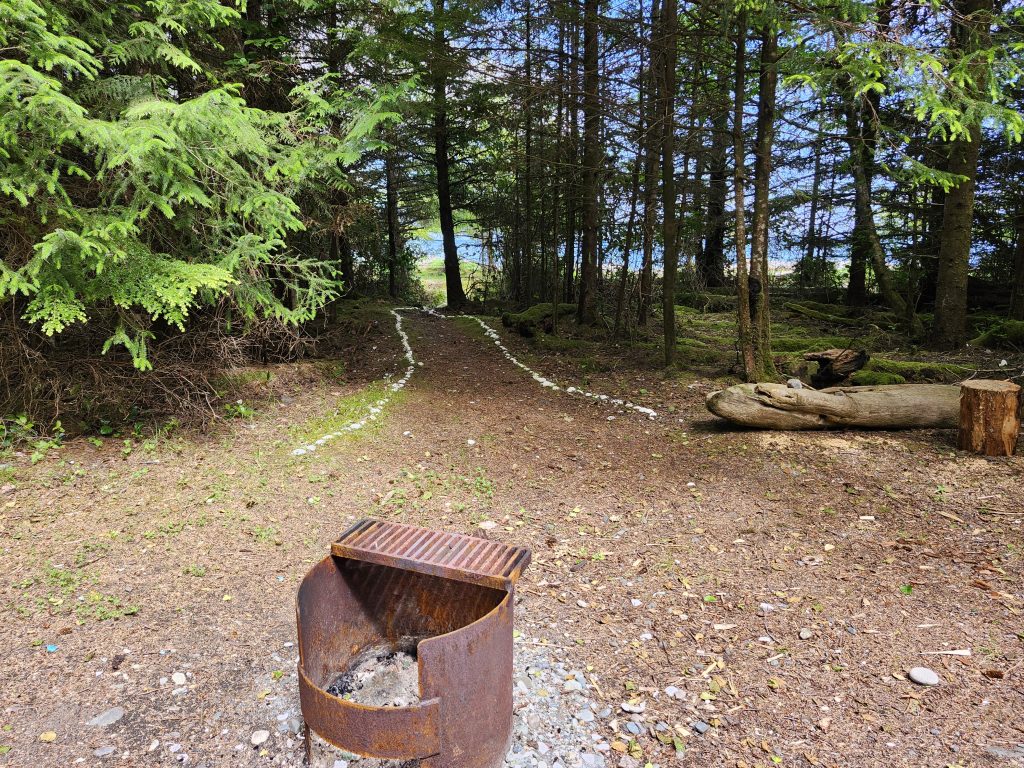
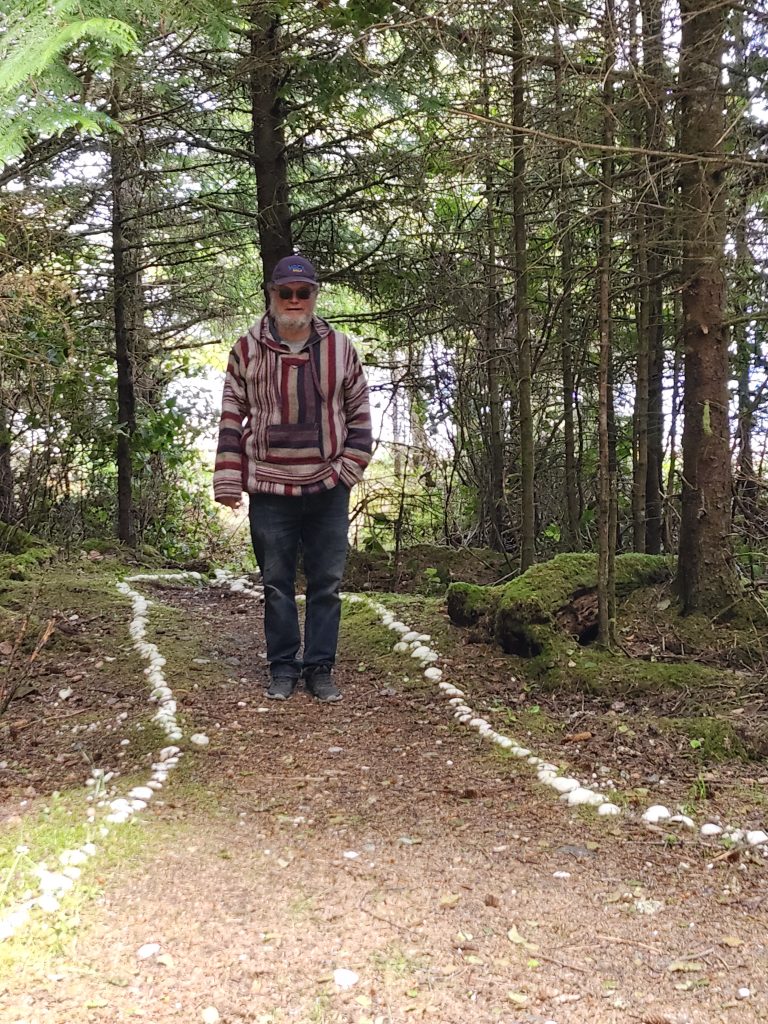
While we are friendly folk, it’s always nice to meet new people. On this occasion, we met up with a fellow traveller from the Yukon. Clive is a friendly kinda guy travelling alone. This was our second encounter with him since meeting him at the tourist info center.
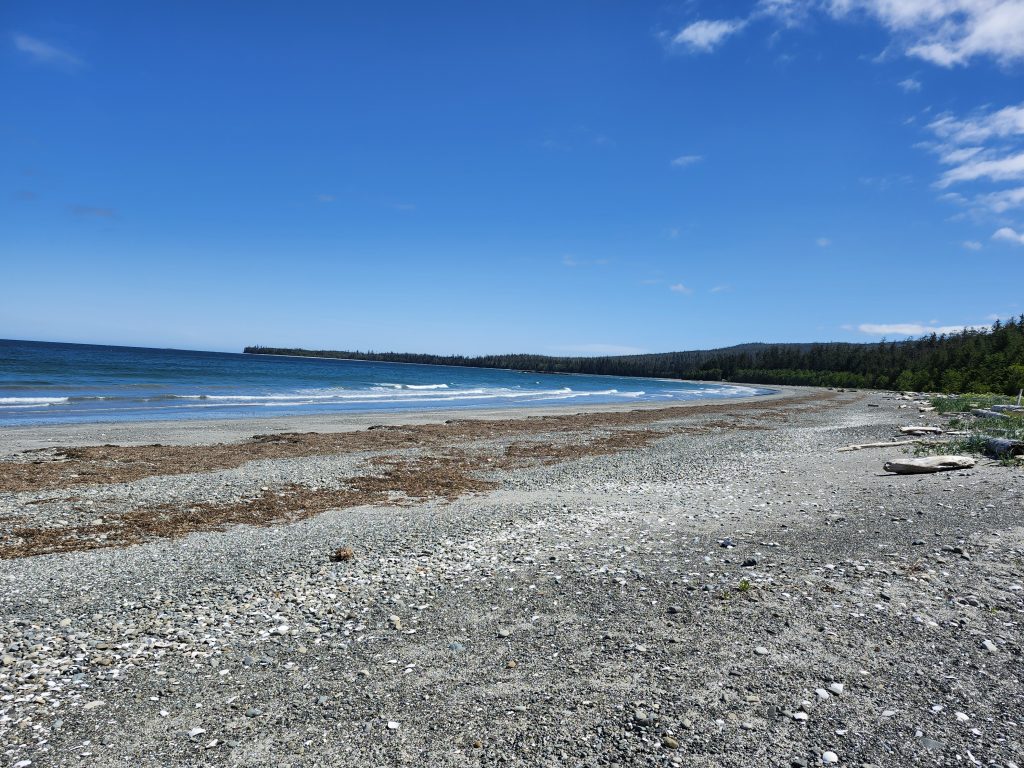
This beach was everything it is made out to be.
Key Aspects of Haida Gwaii:
- Name: Reclaimed in 2010, “Haida Gwaii” (X̱aayda Gwaay. yaay) means “Islands of the People,” replacing the colonial “Queen Charlotte Islands”.
- Geography: A group of over 150 islands, including Graham and Moresby Islands, separated from the mainland by the Hecate Strait.
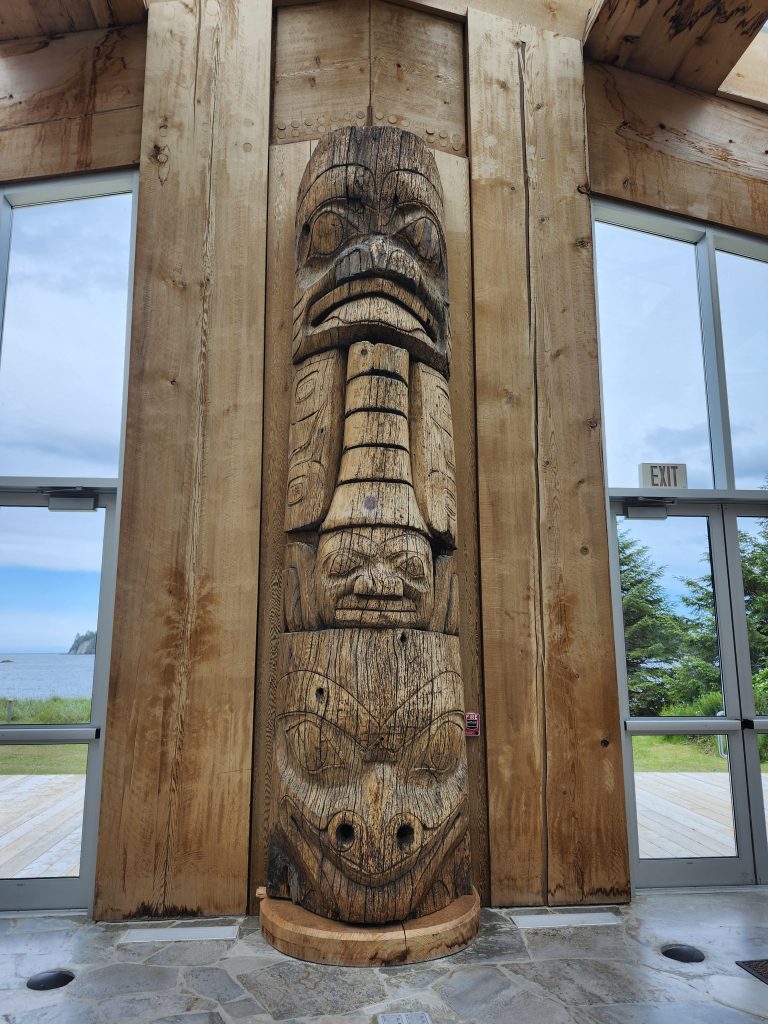
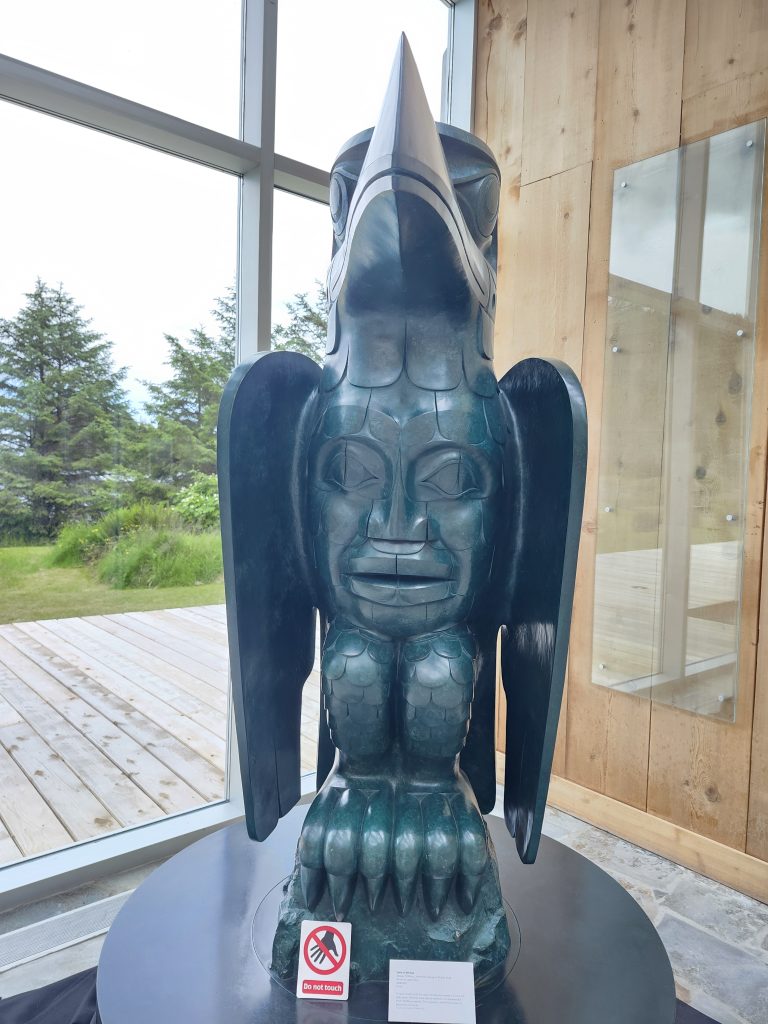
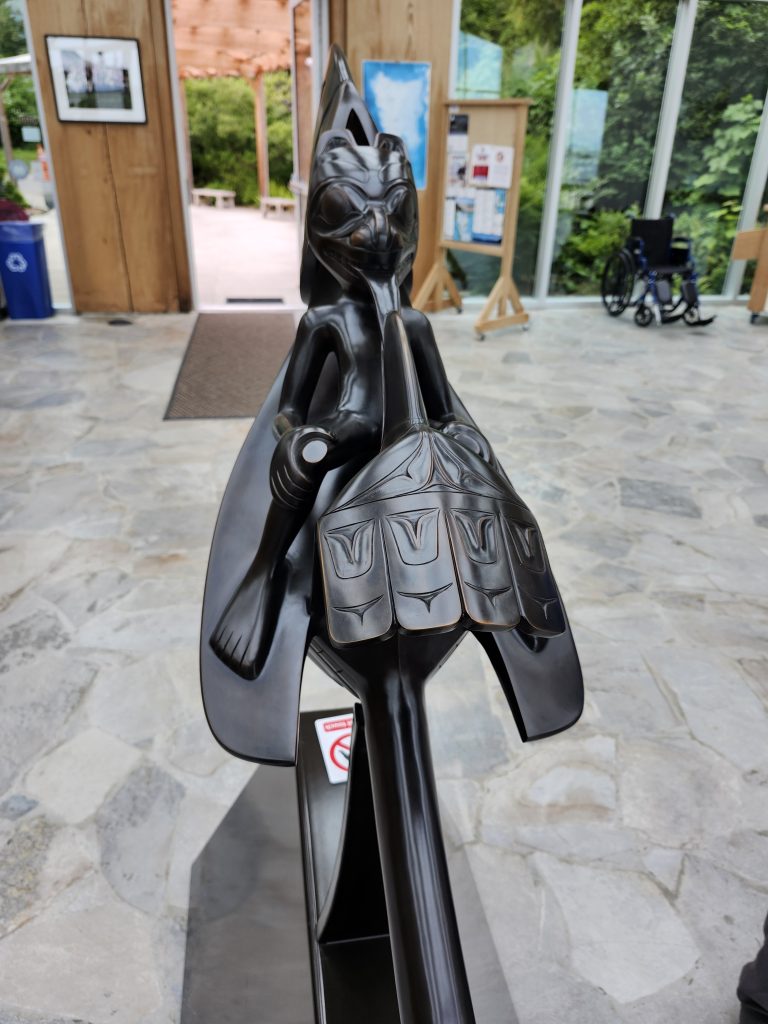
- Culture & People: Home to the Haida Nation, a strong, resilient people with a culture deeply tied to the land and sea, evident in their art (totem poles, masks) and governance.
- Nature: Nicknamed “Canada’s Galapagos” for its unique flora and fauna, it features ancient rainforests, diverse marine life (whales, sea lions), and rugged coastlines.
- Gwaii Haanas: The southern third of the archipelago is a protected National Park Reserve, Marine Conservation Area, and Haida Heritage Site, featuring significant cultural sites like SGang Gwaay (Ninstints).
- Travel: Accessible by ferry or plane, with limited roads requiring vehicles (cars/rentals) for exploration; respectful visitation (taking the Haida Gwaii pledge) is encouraged.
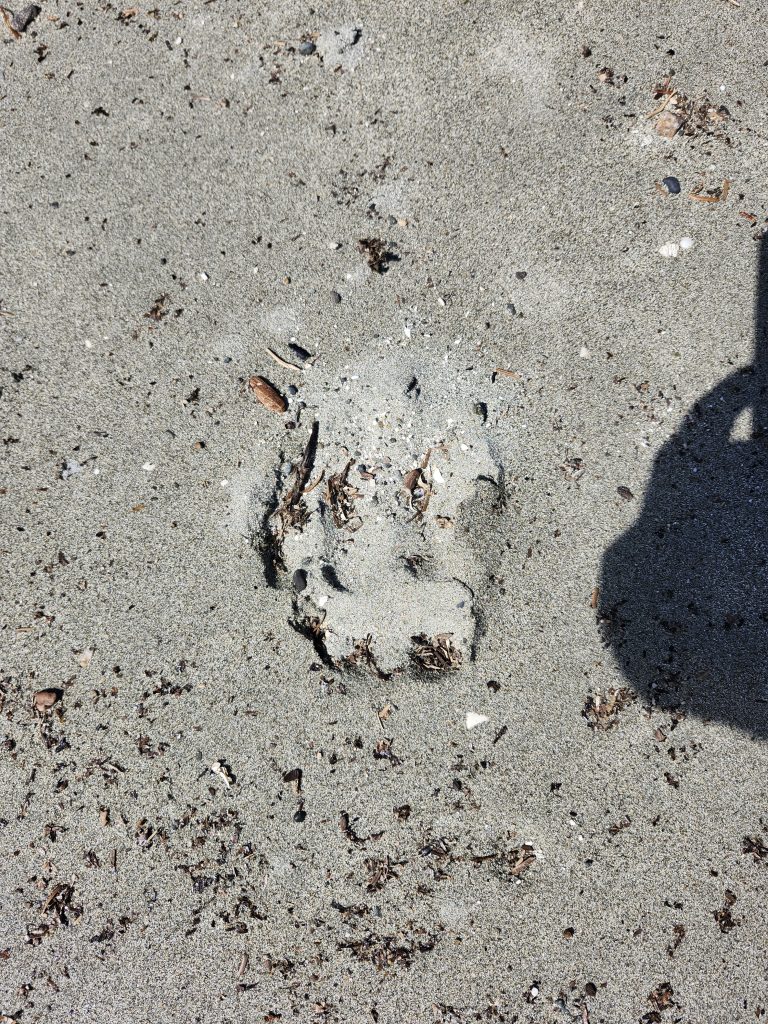
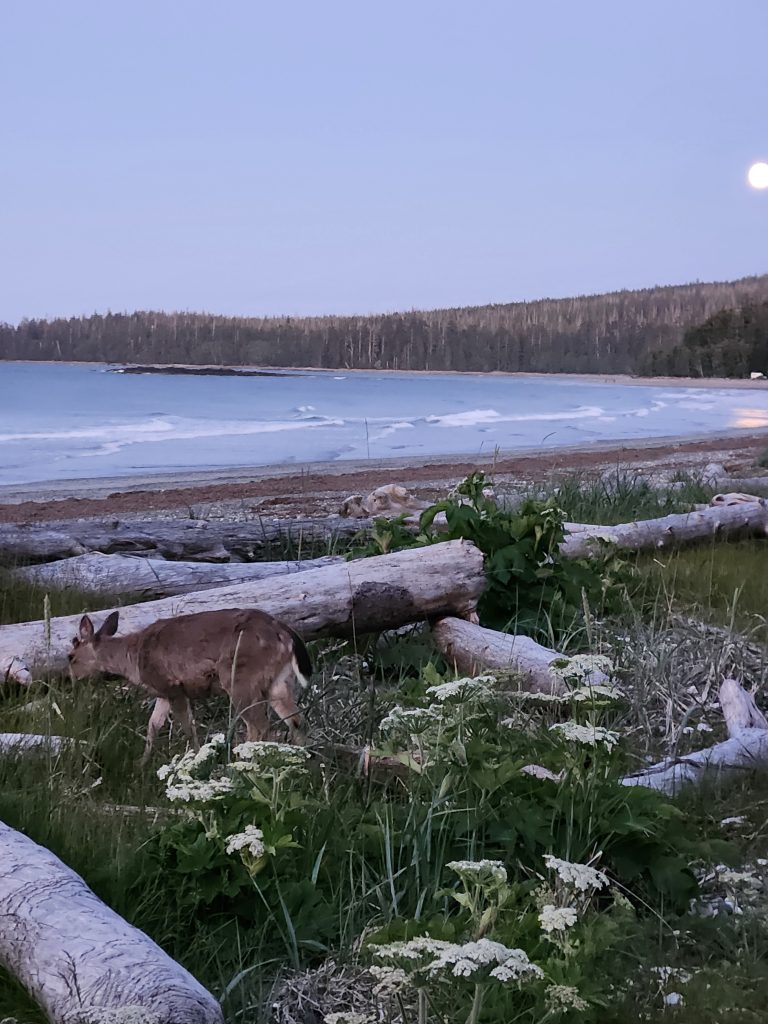
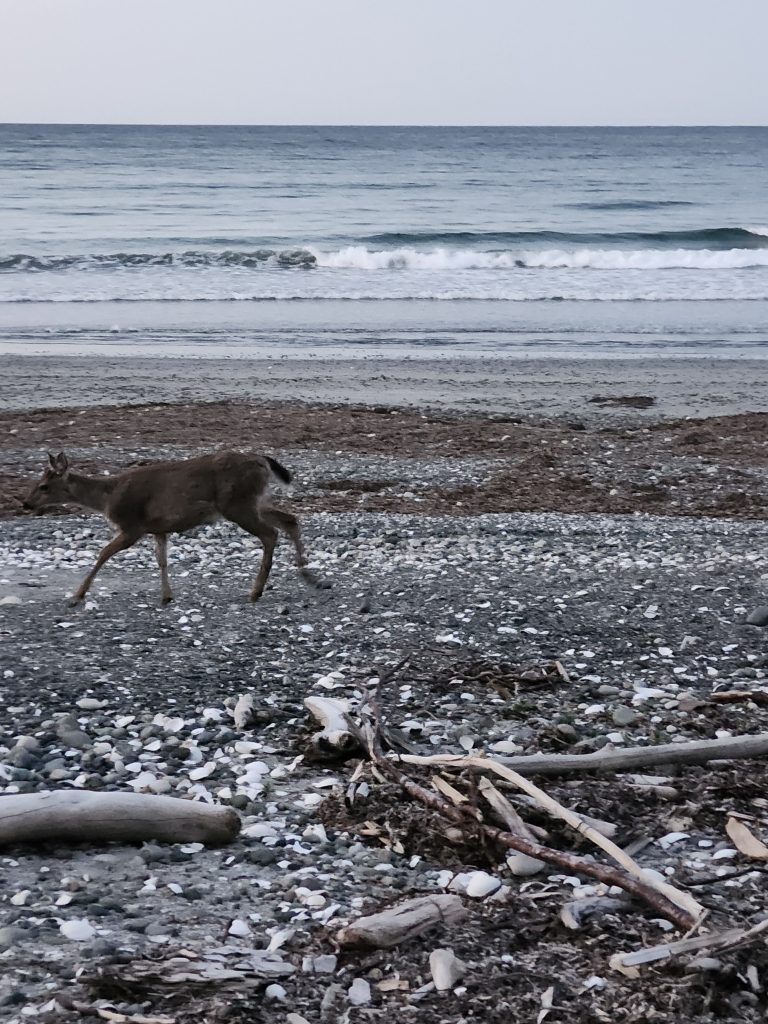
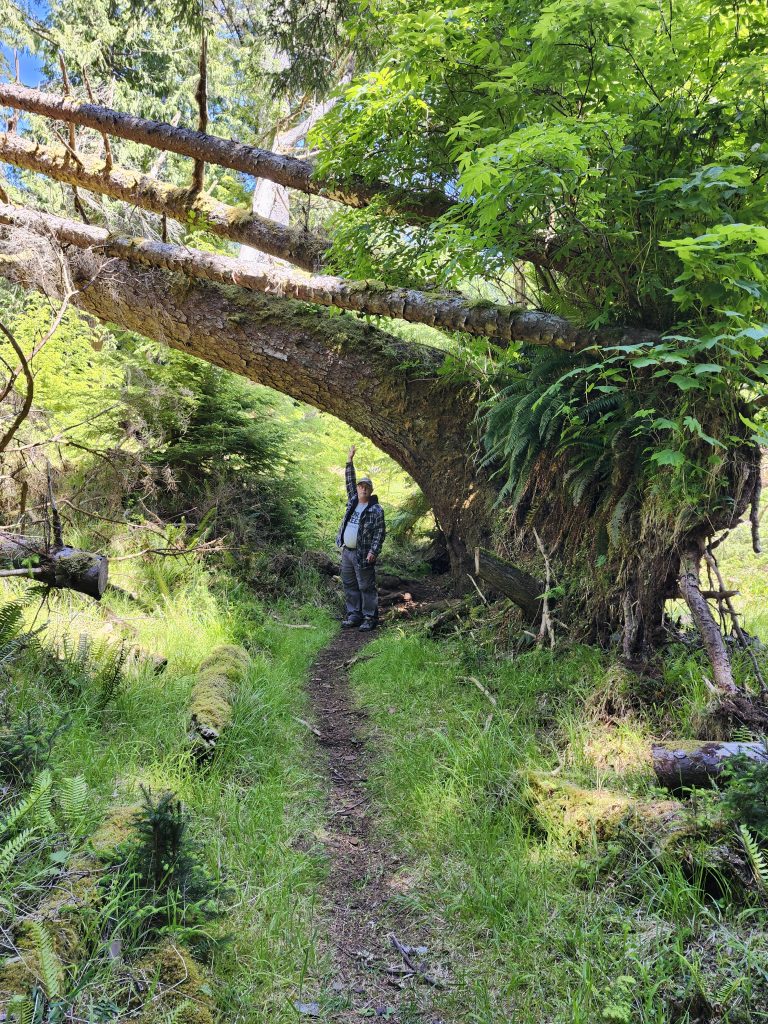
After a few days we headed back to Graham Island (the northern part of Haida Gwaii).
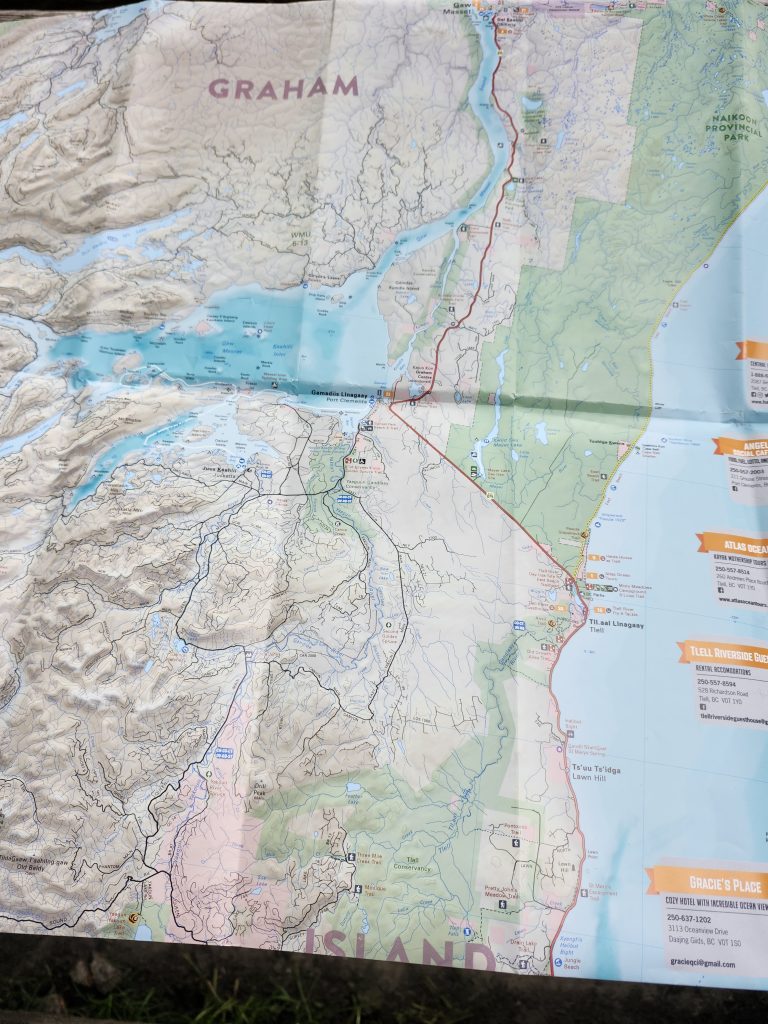
This part of Haida Gwaii is more populated.
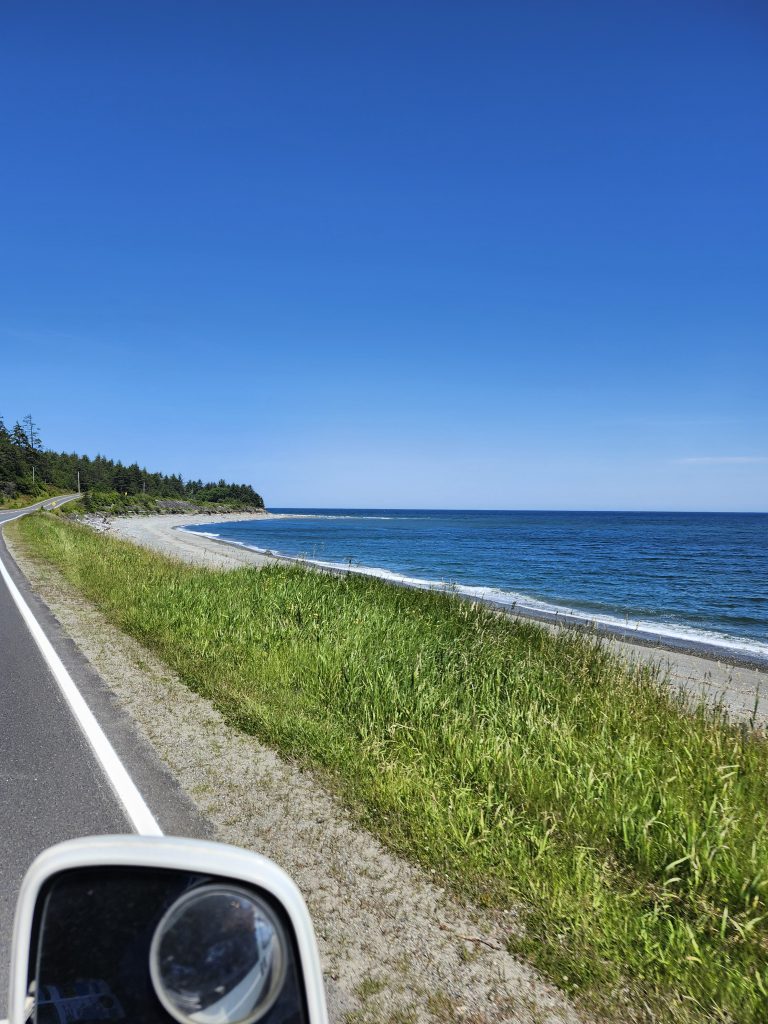
The highway is paved and in great shape, despite tales of poor roads.
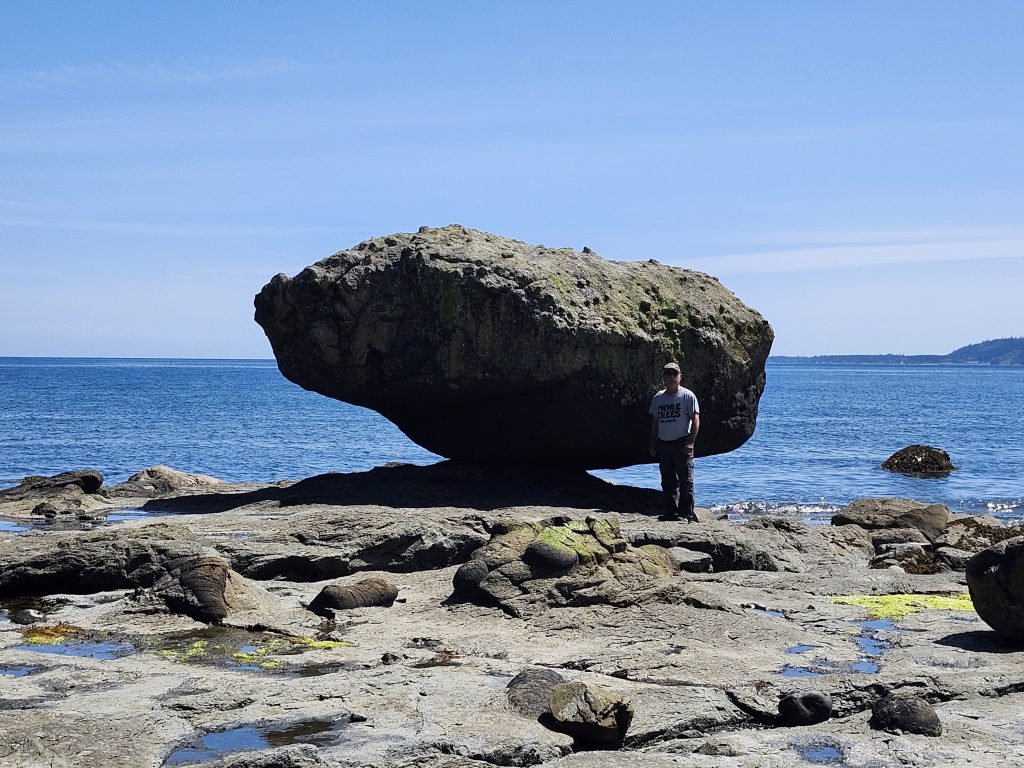
There are many places to stop and visit, such as Balanced Rock naturally balanced.
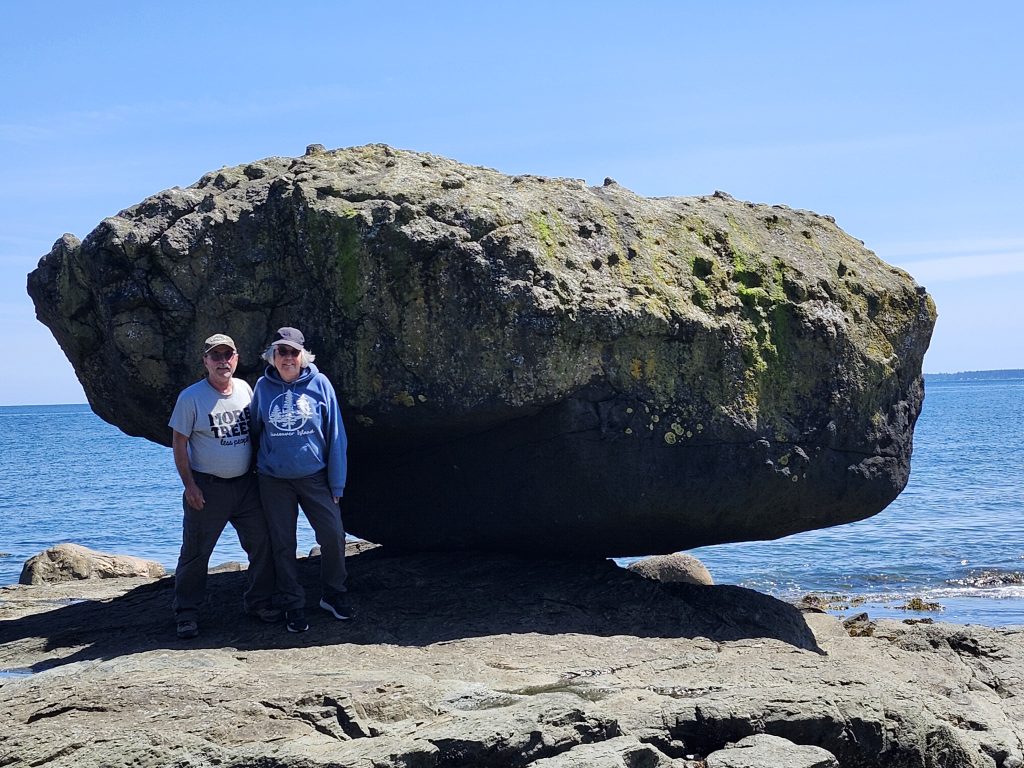
Continuing north, you will encounter plenty of spaces to pull over .
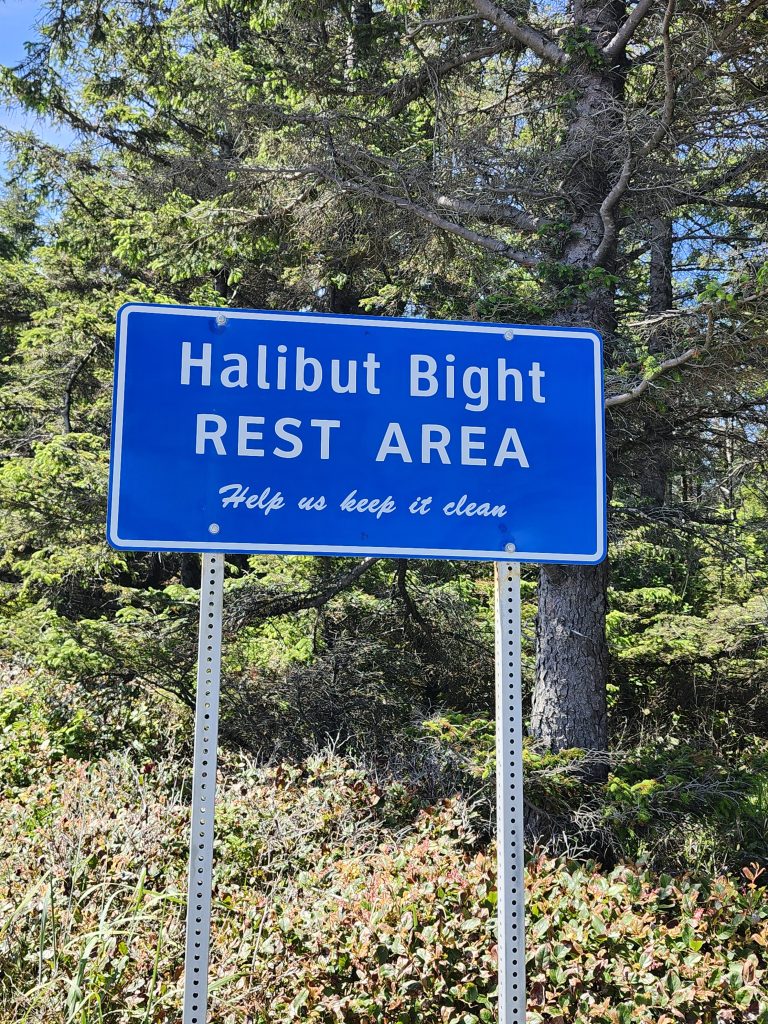
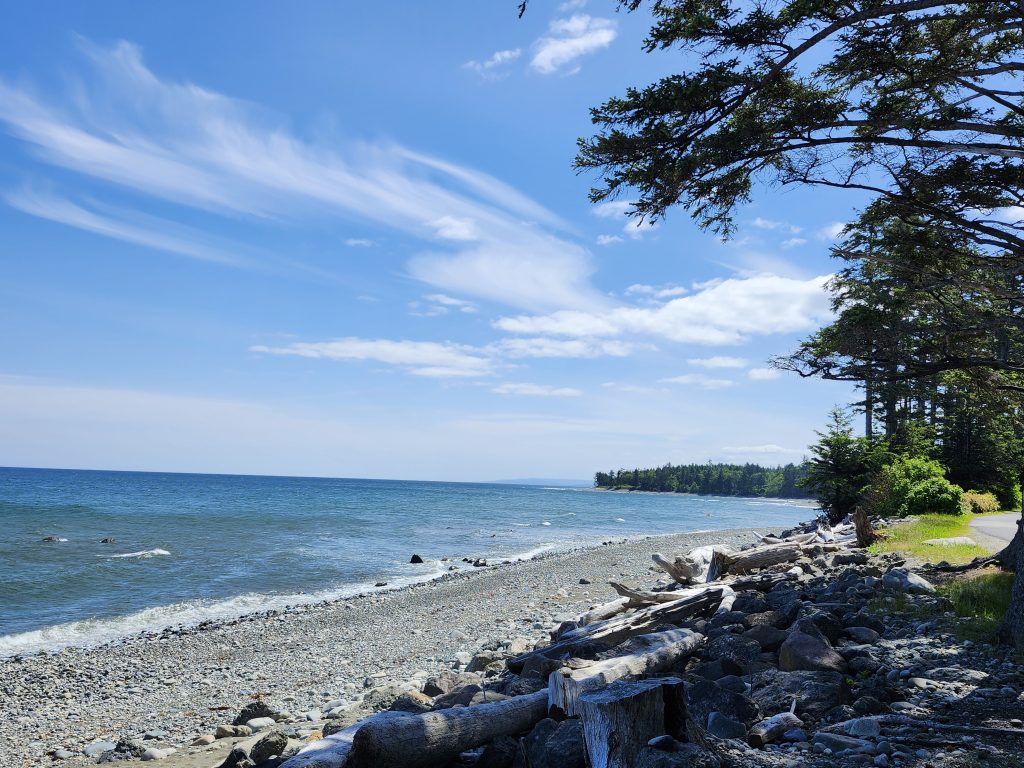
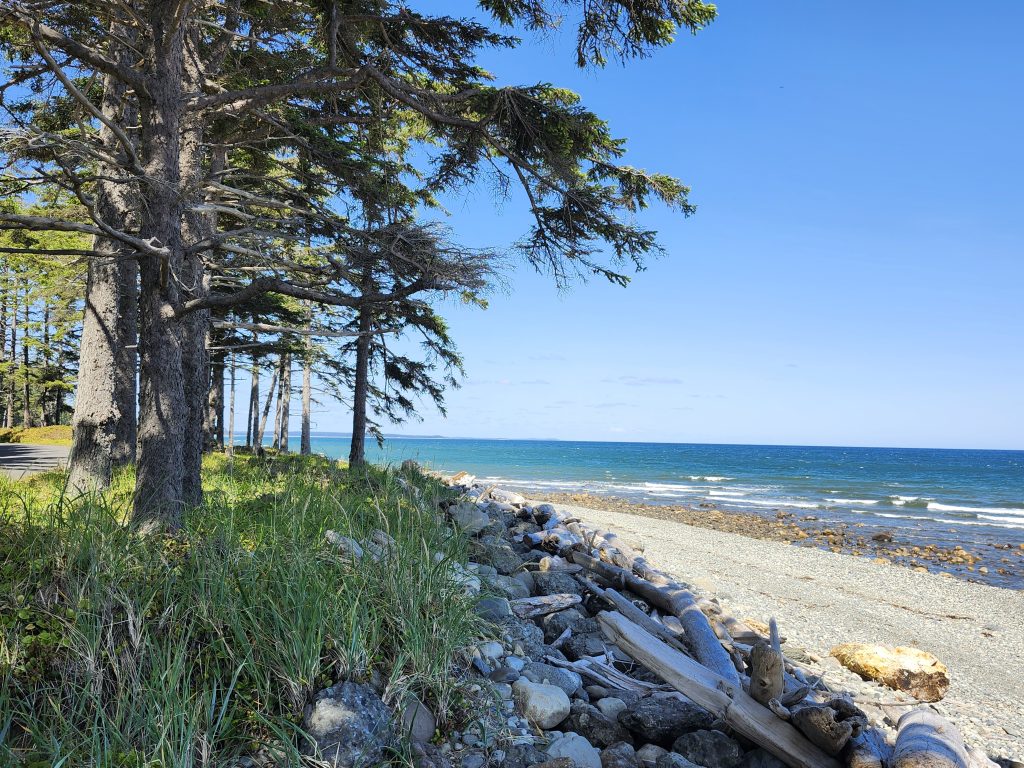
Some rest stops actually have fire pits and pinic tables for day use.
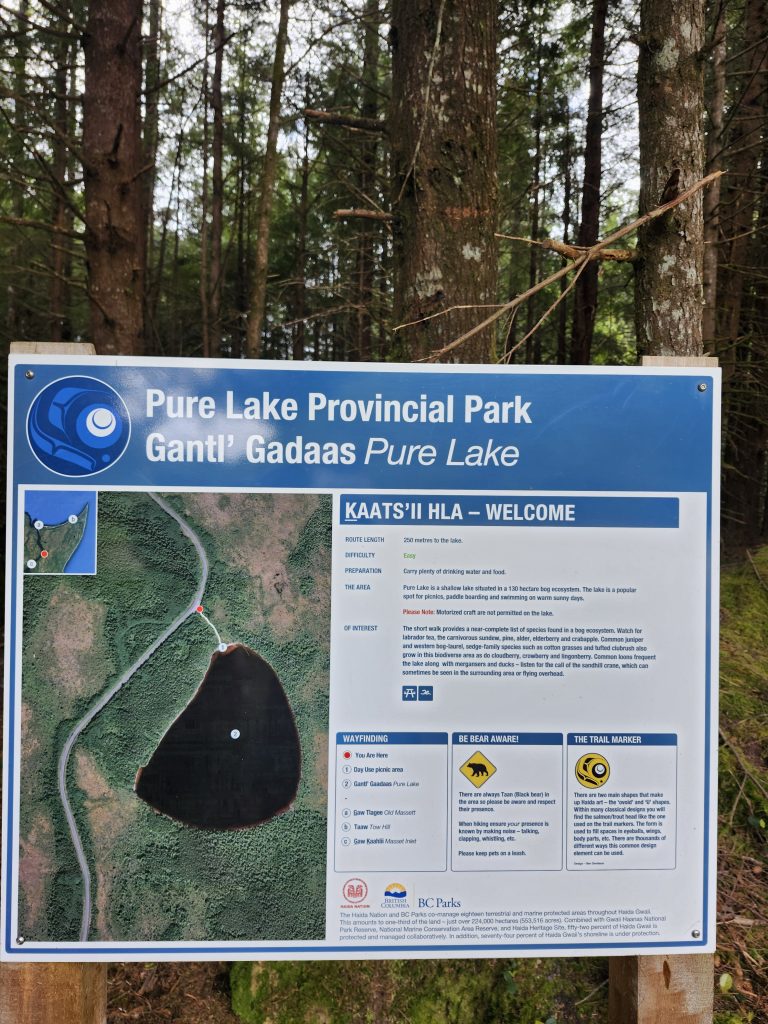
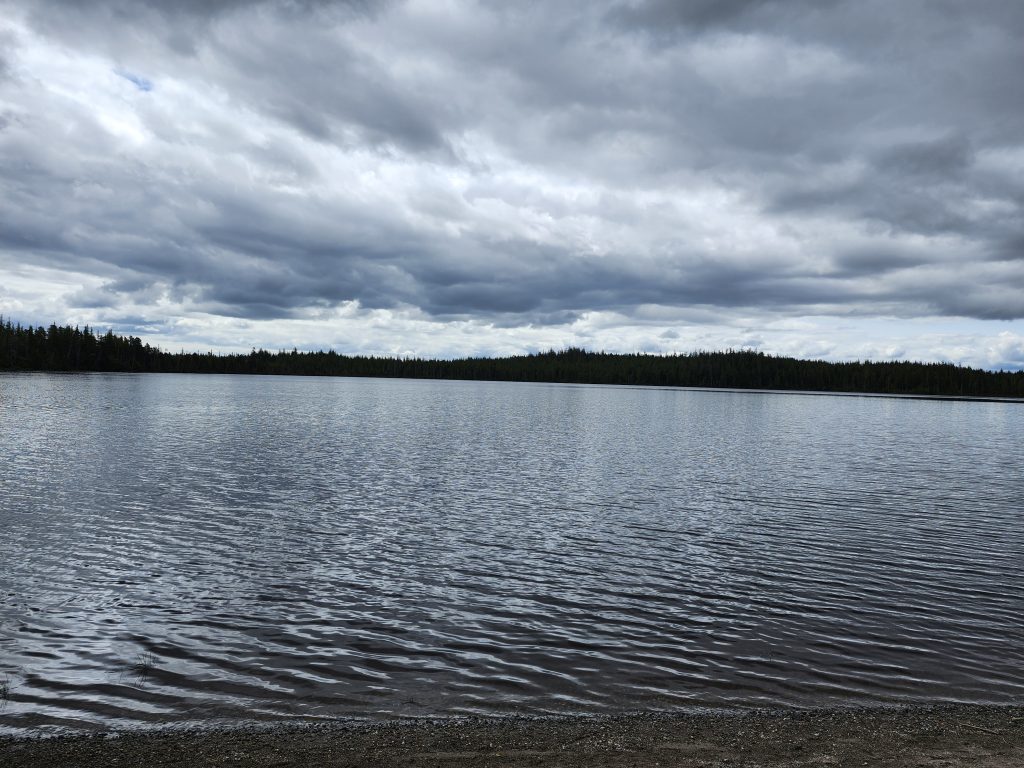
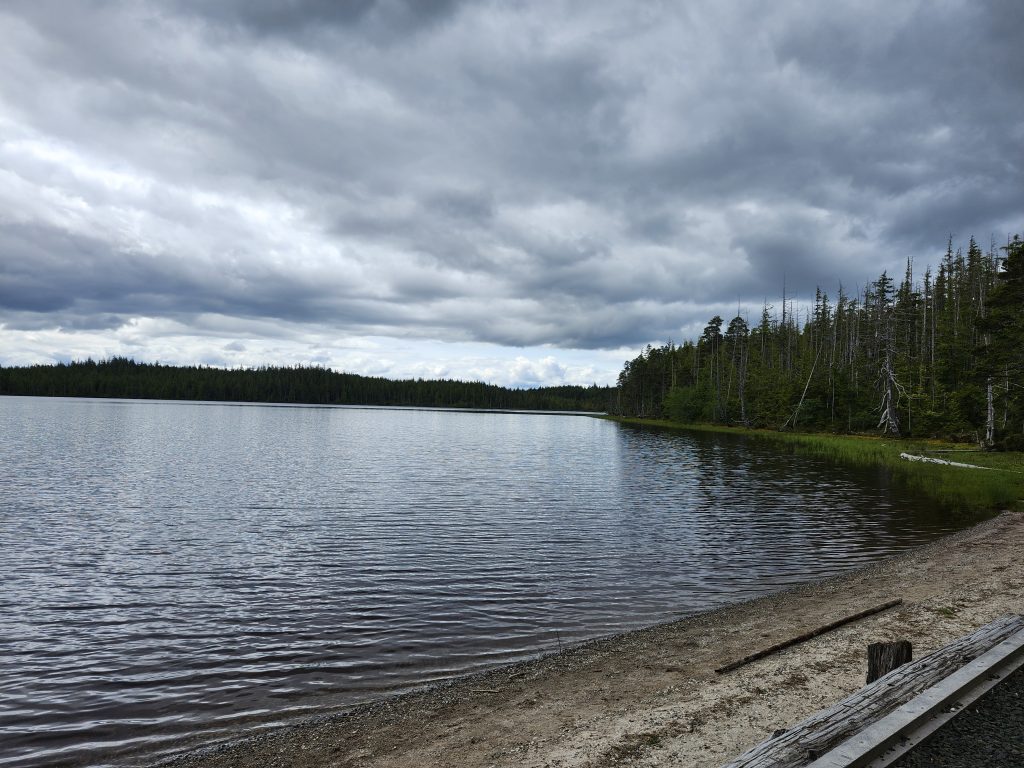
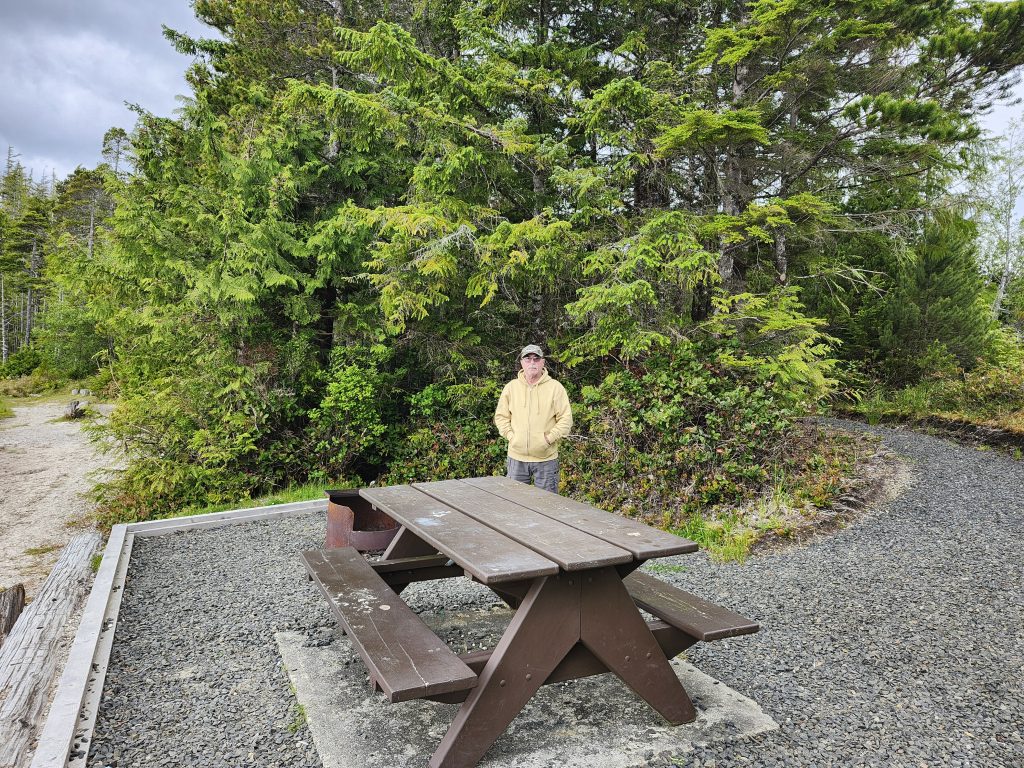
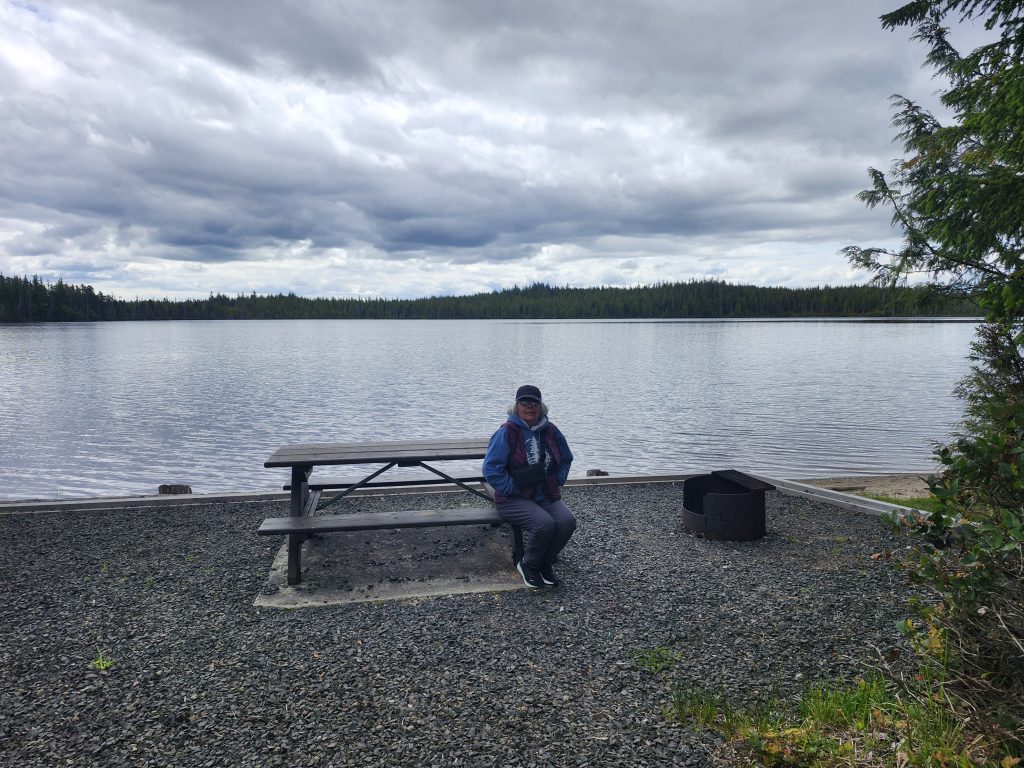
Our next stop was Masset, the main attraction for most tourists.
Haida traditional territory encompasses parts of southern Alaska, the archipelago of Xaayda Gwaay.yaay Haida Gwaii and its surrounding waters. Before First Contact with early explorers and settlers, there were at least 10,000 residents living in villages from the northern edges to the southern tip of the rugged archipelago. During the time of contact, introduced diseases including measles, typhoid and smallpox, reduced our population to around 600 people.
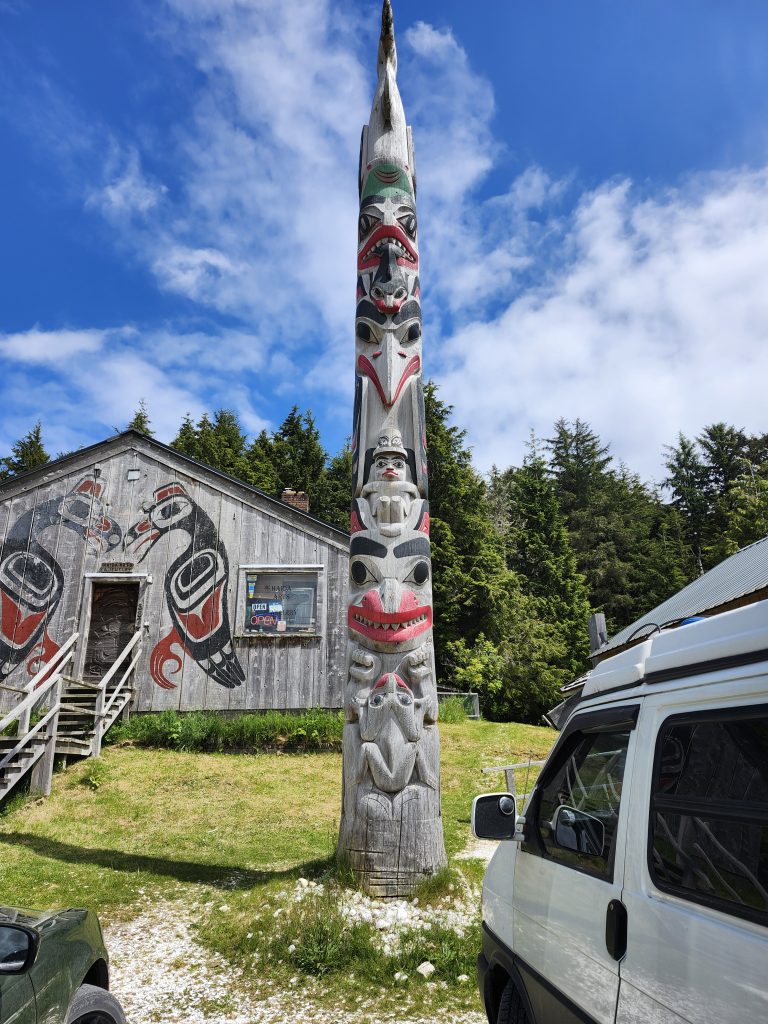
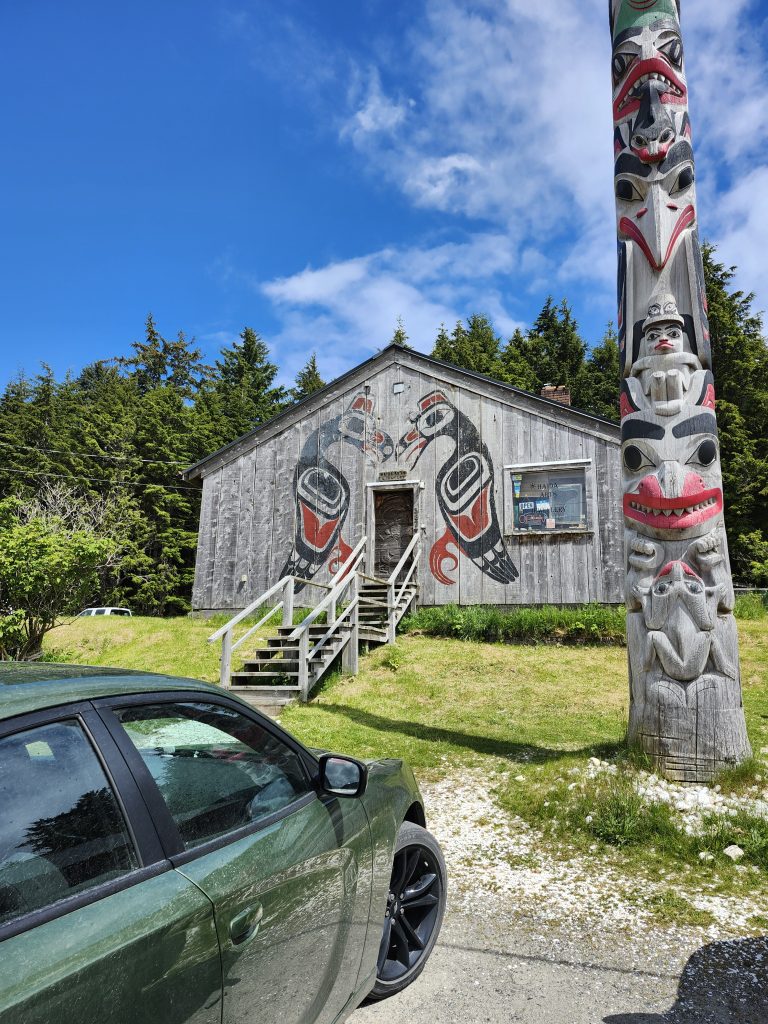
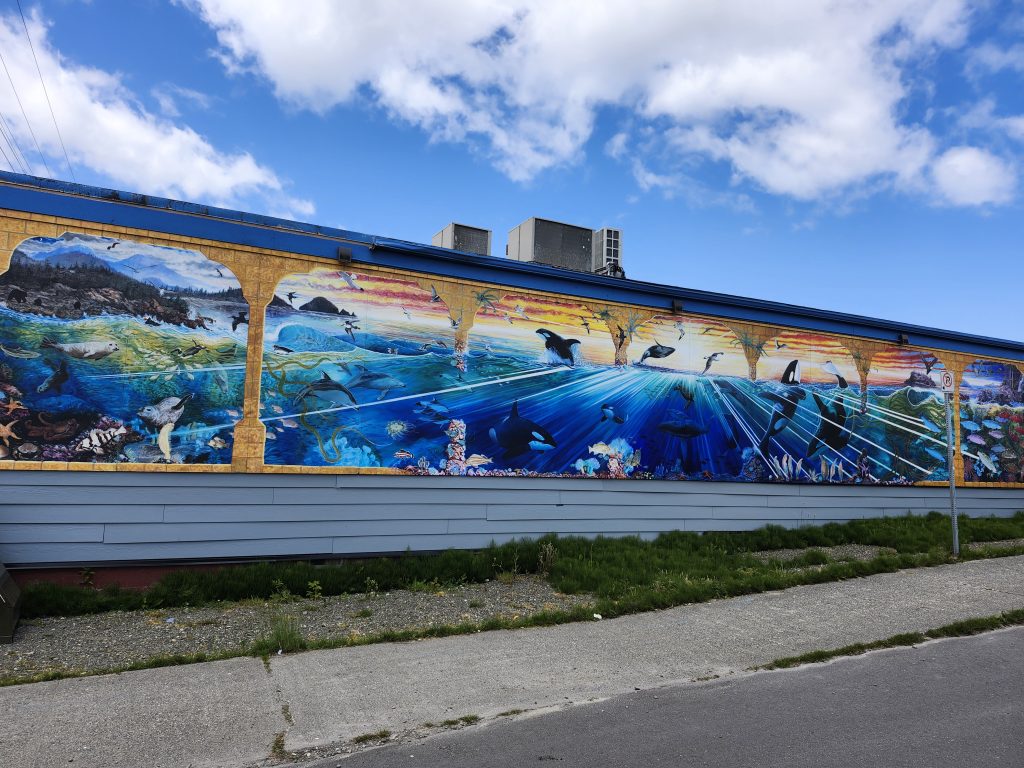
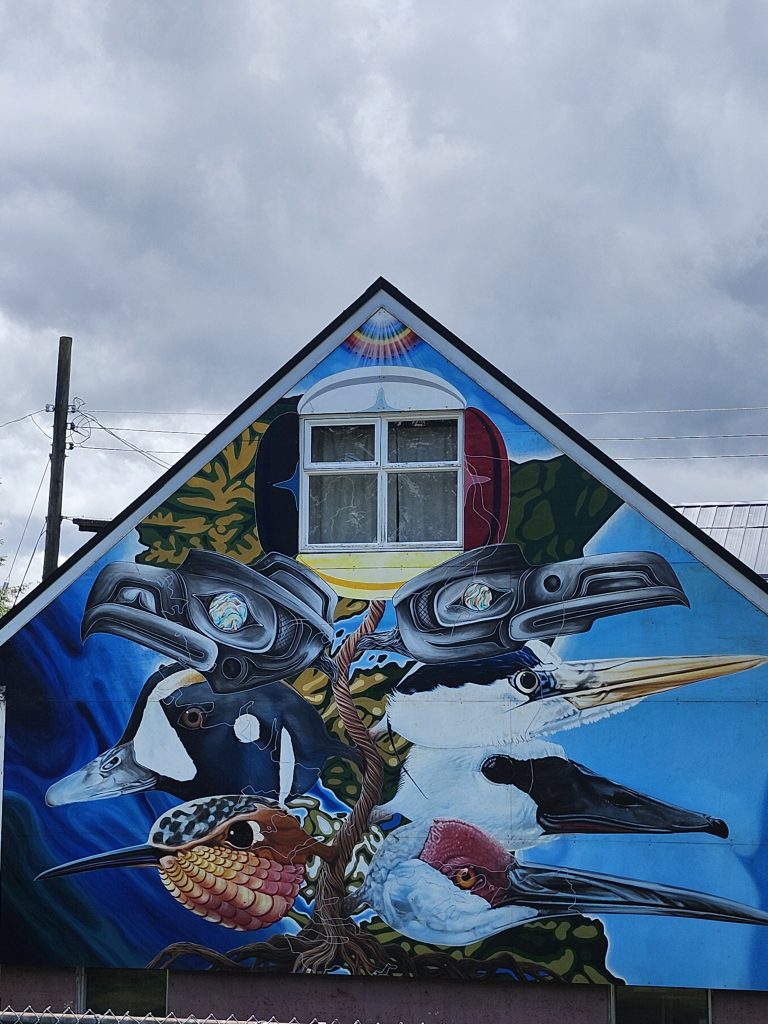
Another extremely popular destination is Agate Beach.
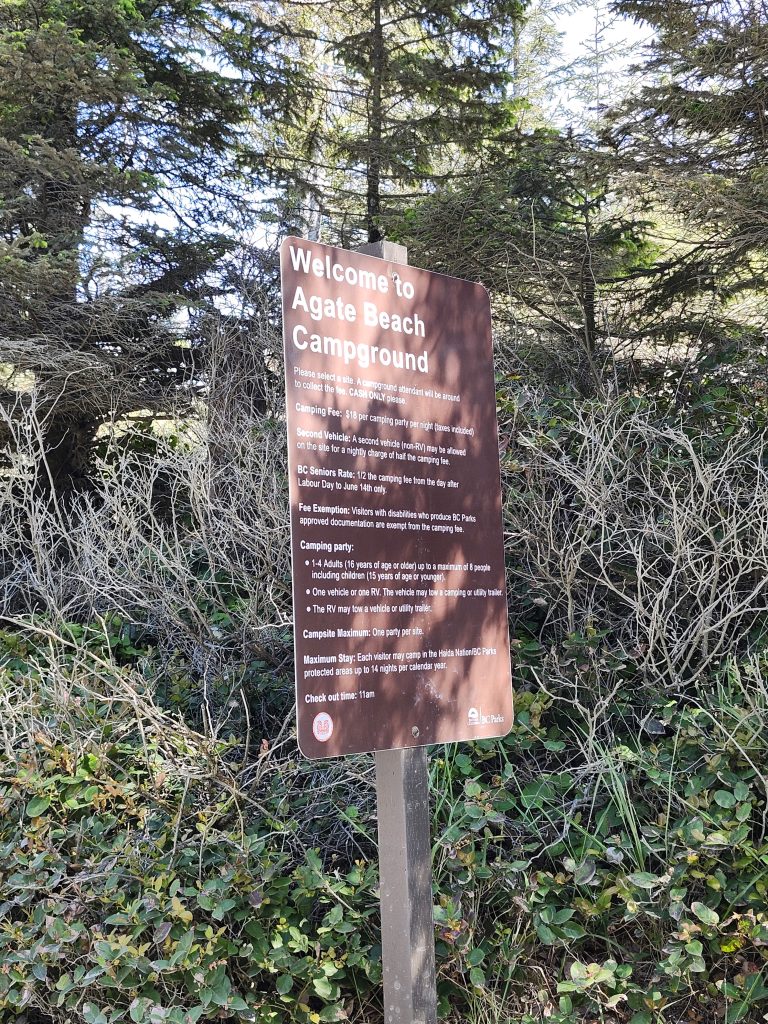
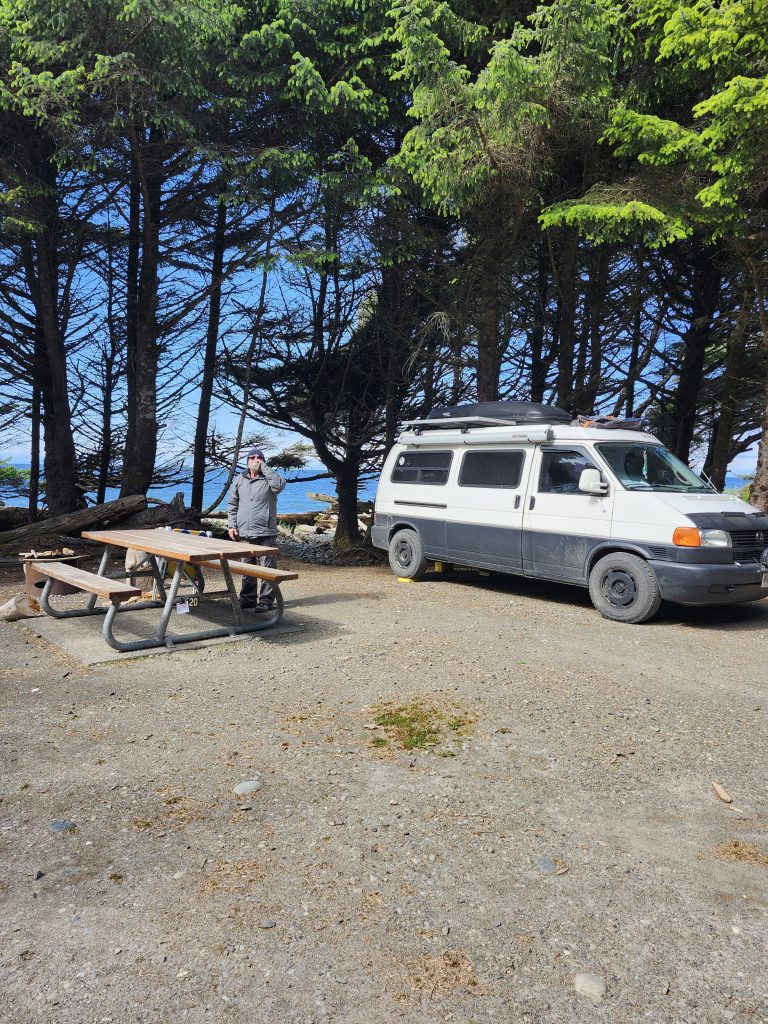
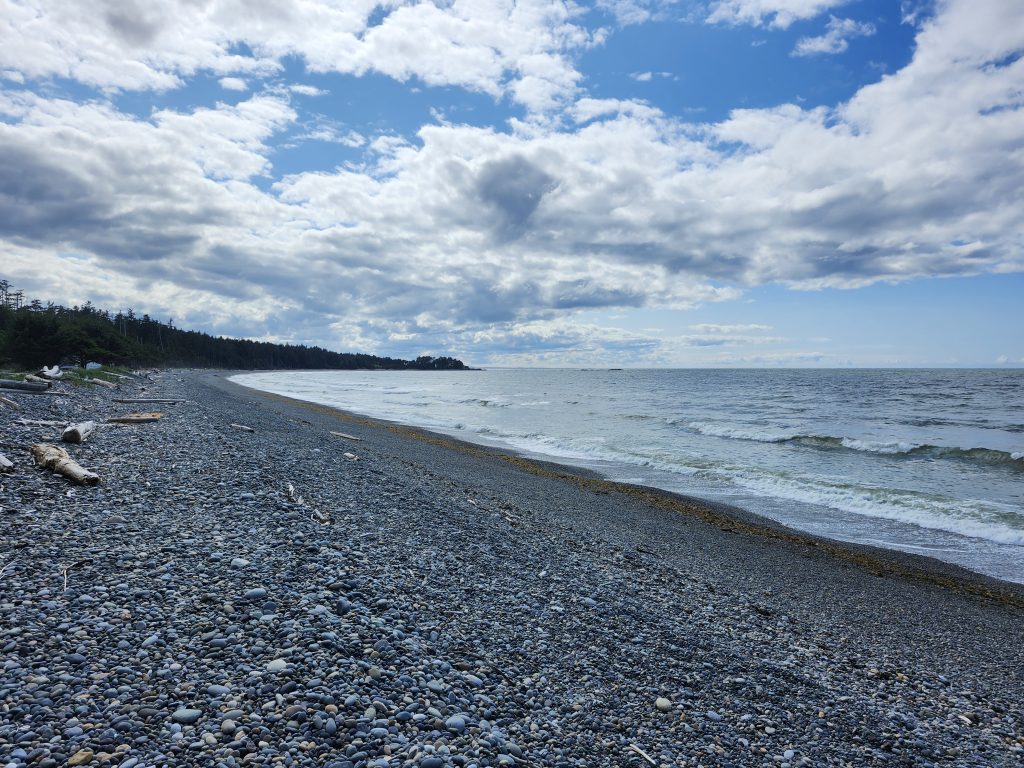
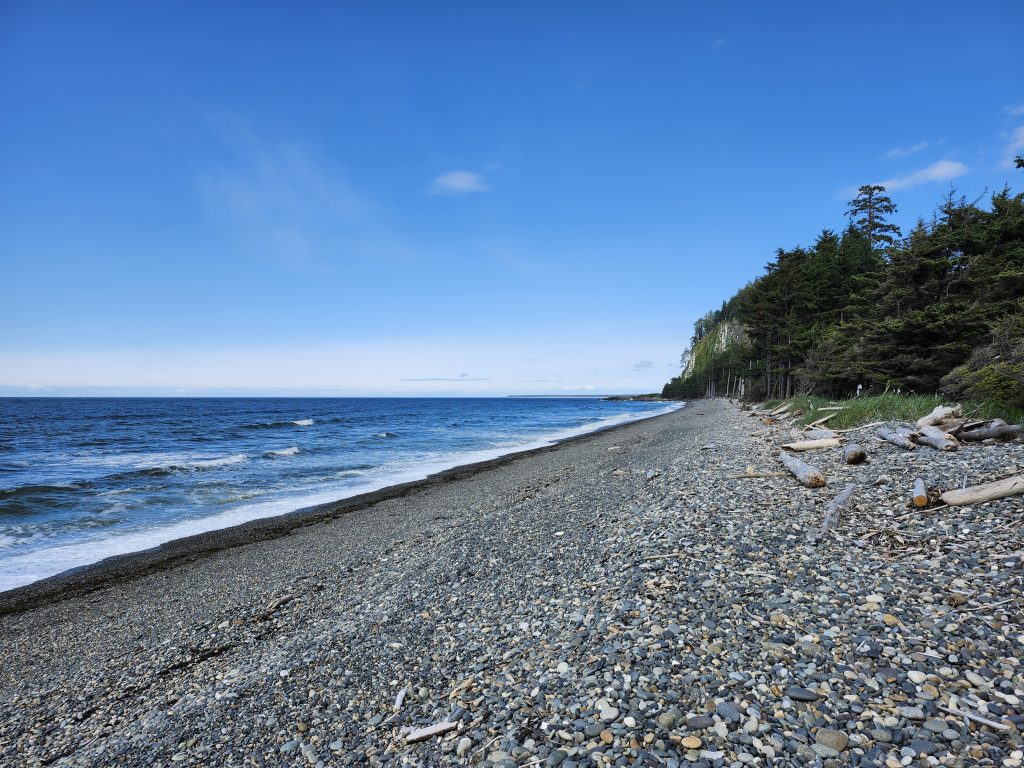
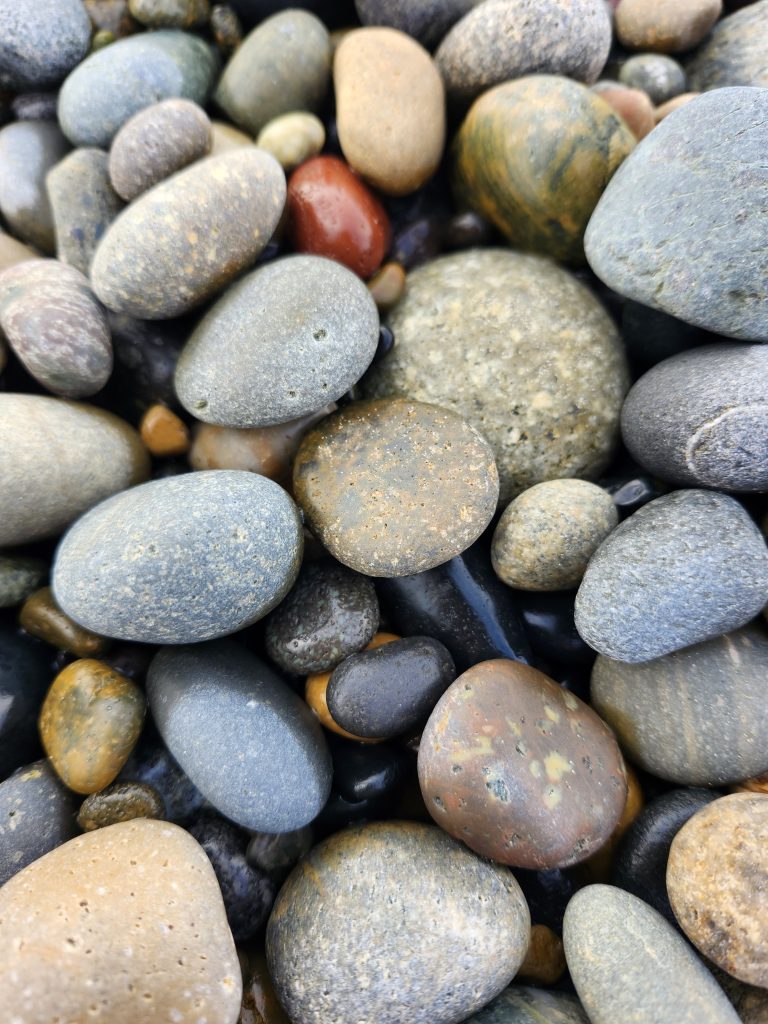
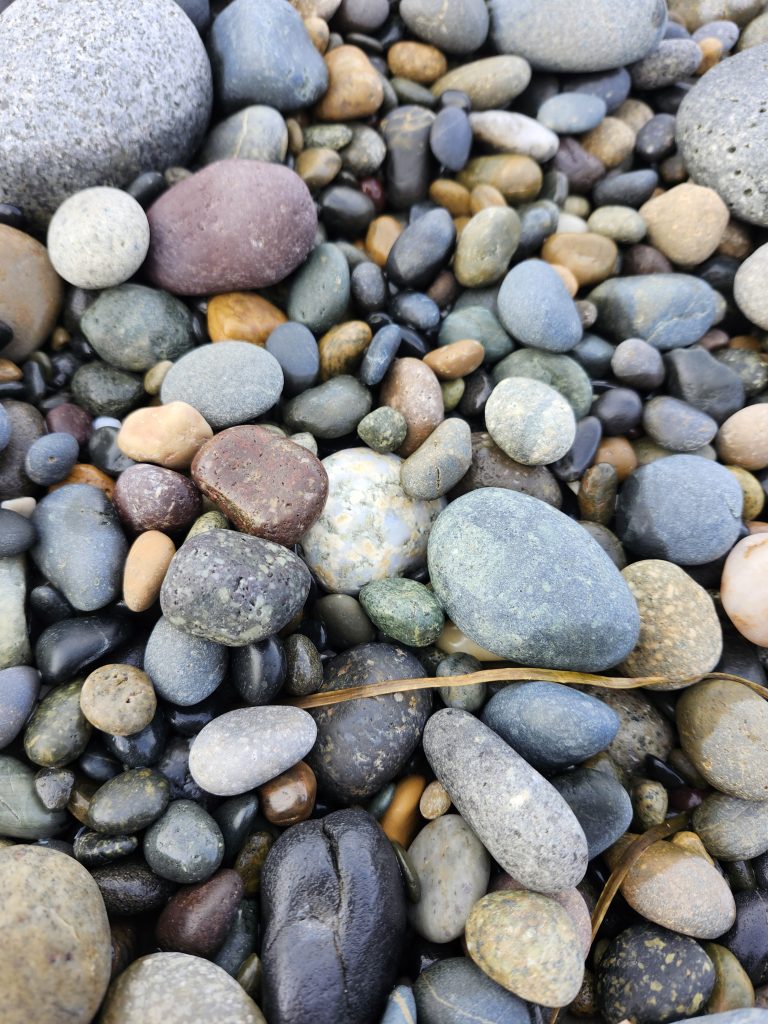
With breathtaking views and endless beach, this area can get very cruel with heavy rainfall and high winds, making for an interesting camp.
Agate Beach, BC, refers to the stunning, stone-covered beach within Naikoon Provincial Park on Haida Gwaii, famous for the smooth, colourful rocks (including agates!) tumbled by the Hecate Strait, accessible via the rustic Agate Beach Campground near Tow Hill, offering first-come, first-served camping and a unique, rugged coastal experience with wildlife and vast views.
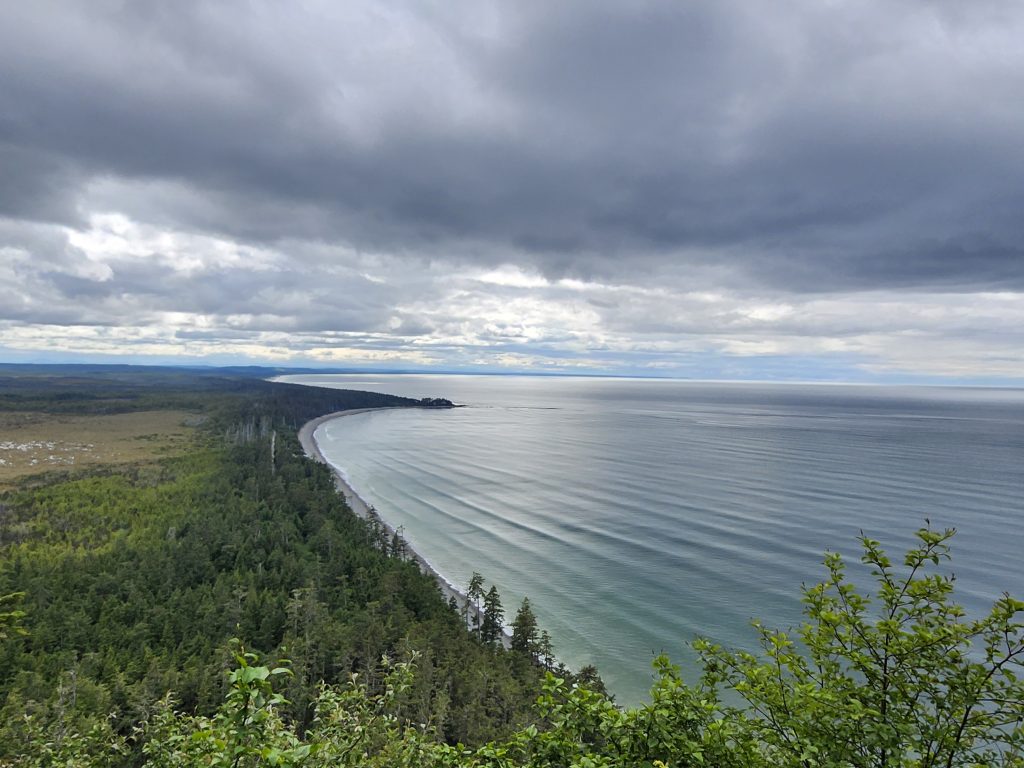
Speaking of Tow Hill, you will find a spectacular viewing platform at the top of the trail that is a must-do, as the views are spectacular.
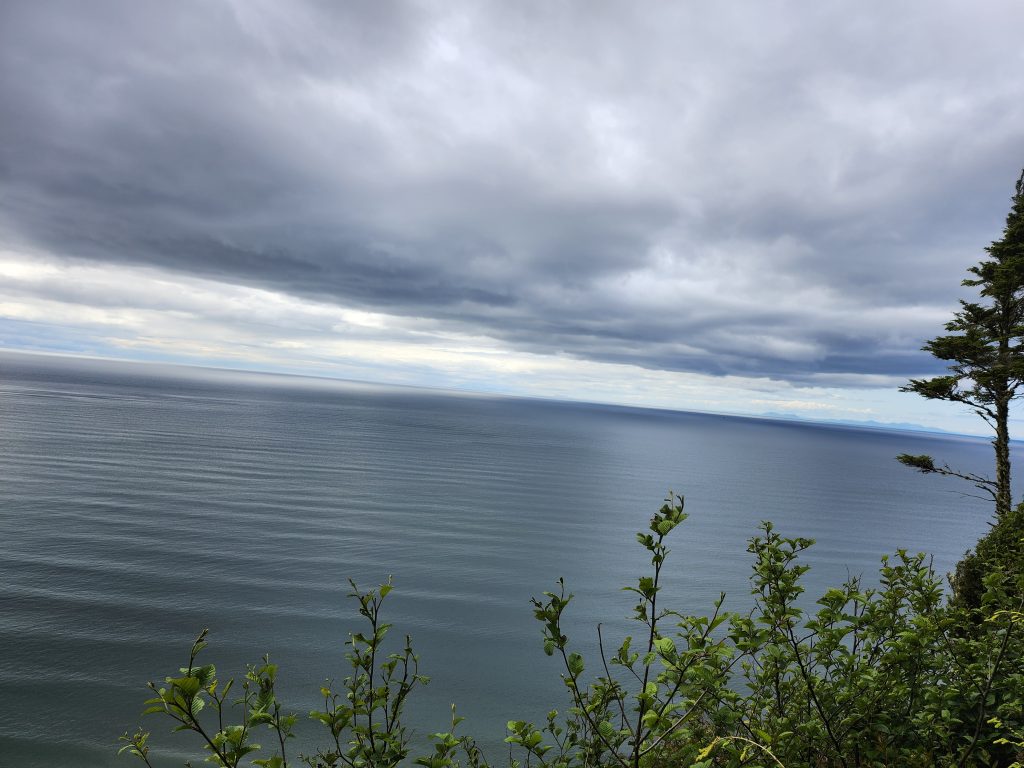
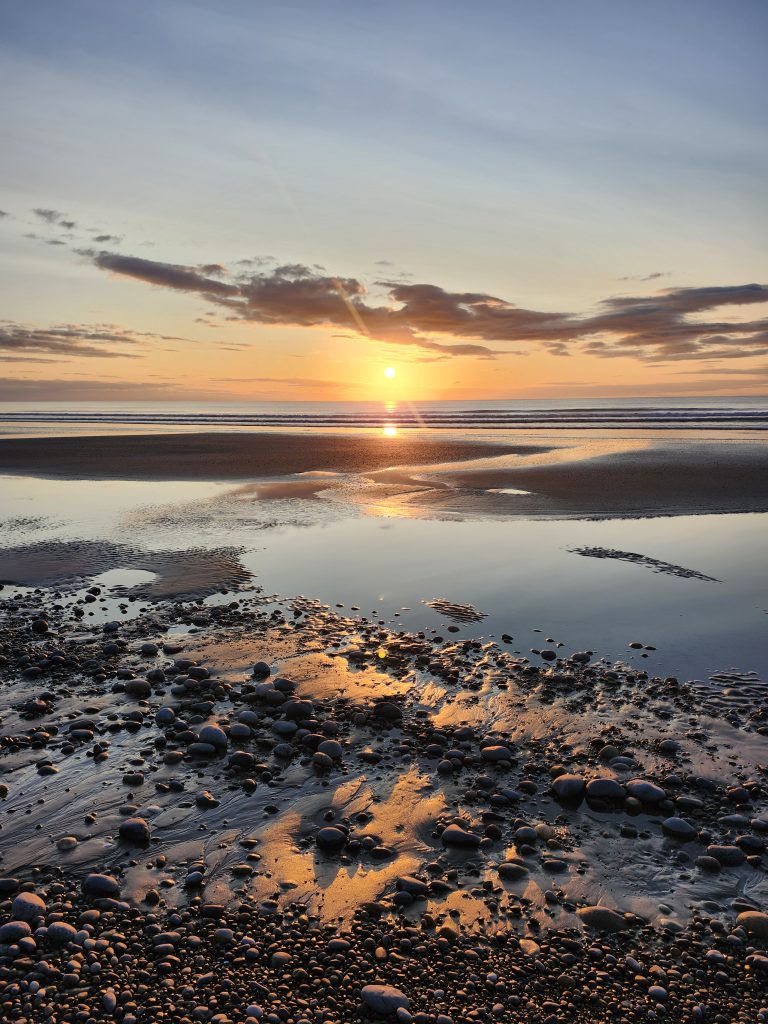
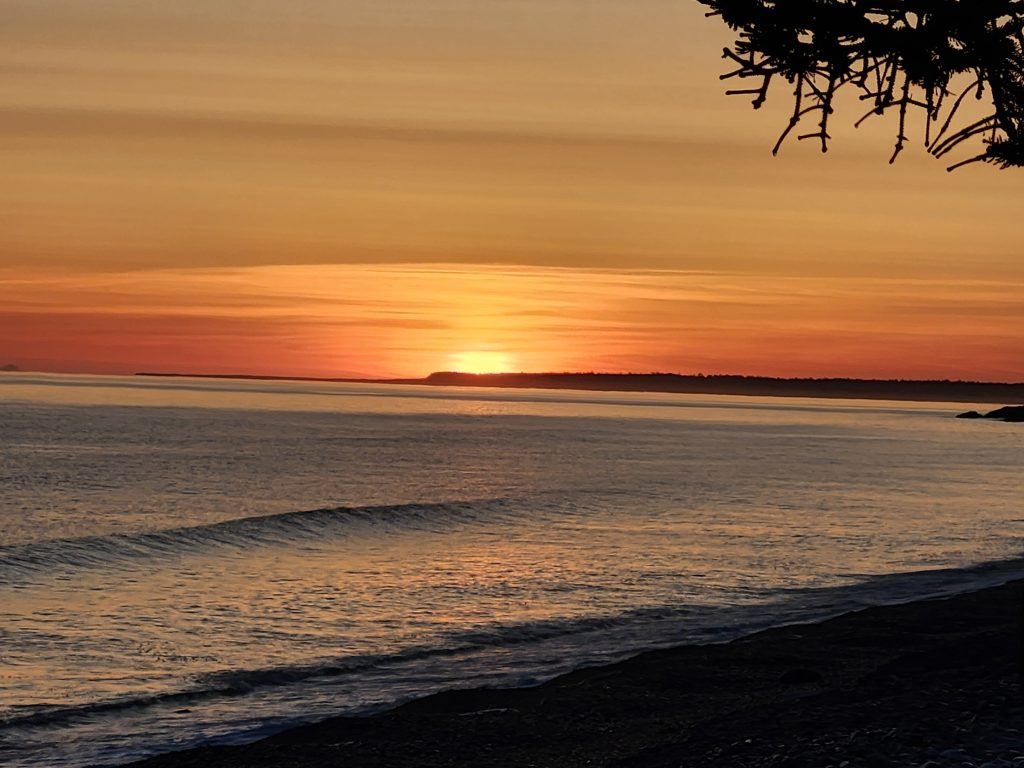
One more night and back on the road again
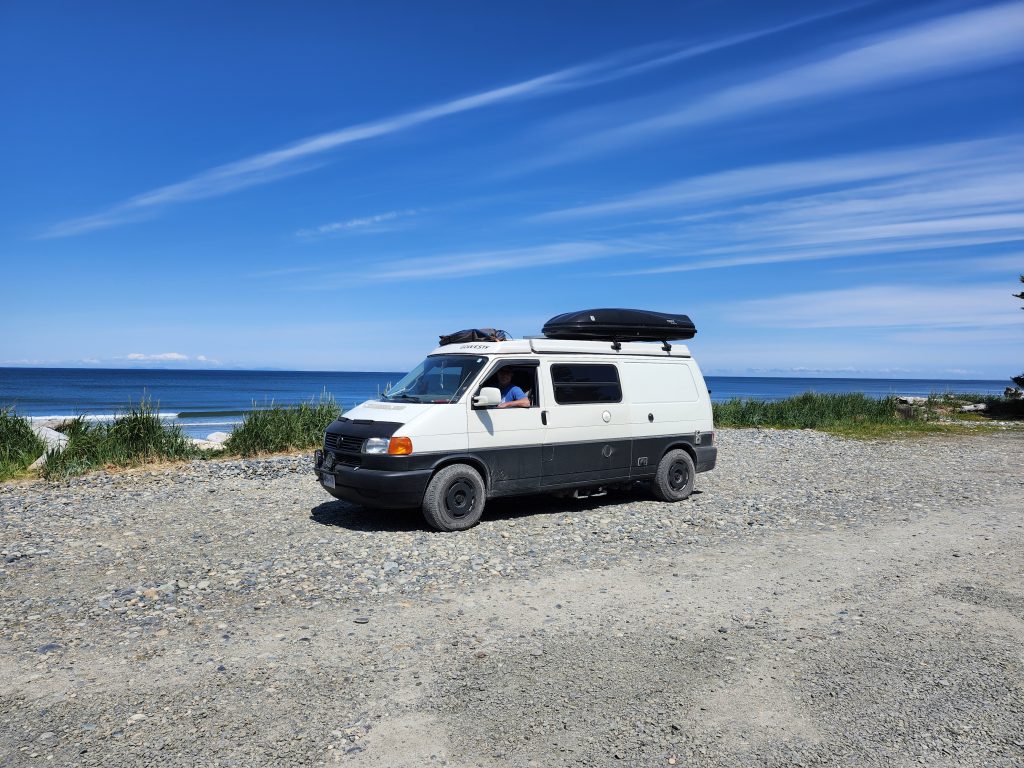
Not that we wanted to but we had a time limit to our stay so back towards the ferry we go.
After nine days of exploring, we have decided that we must return someday for a much longer stay.
Our last 2 days were spent relaxing at a free forest service campsite, where we met up with some fellow travellers.
